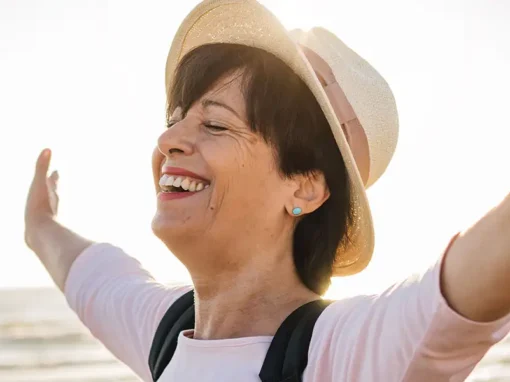

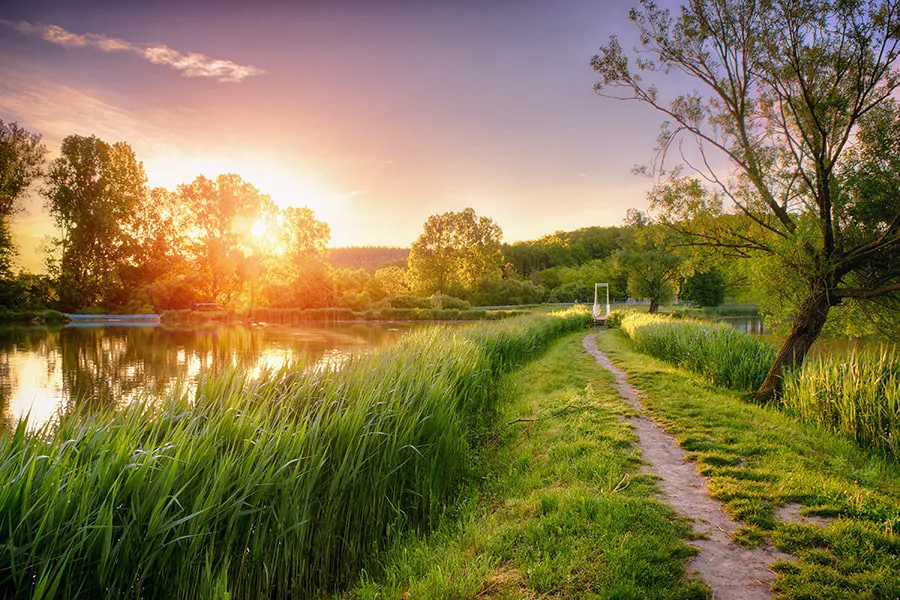
Summer has a special way of calling us outside. The mornings feel brighter, the evenings stretch a little longer, and even simple activities like walking after dinner, tending the garden, or sitting near the water can feel like a reset for the body and mind. It’s no wonder we’re drawn to the outdoors. For much of human history, people lived close to sunlight, trees, soil, fresh air, rivers, oceans, and changing seasons. Our modern lives may keep us indoors more often, but our bodies still respond beautifully when we step back into natural spaces.
From a Physical Therapy perspective, summertime is a wonderful opportunity to move more, build strength, improve balance, support joint health, and reconnect with activities that bring joy. The outdoors gives us something a gym or clinic cannot always provide: variety. A sidewalk, trail, beach, backyard, pool, or park challenges the body in different ways. That variety can help wake up muscles, improve coordination, and make movement feel less like a chore and more like living.
Research has continued to connect nature exposure with better health and well-being. One large study found that people who spent at least 120 minutes per week in nature were more likely to report good health and higher well-being than people who did not spend time in nature. The time did not have to happen all at once, which is encouraging for busy families and people easing back into activity. A few short outdoor moments across the week can add up.
Nature Makes Movement Feel More Inviting
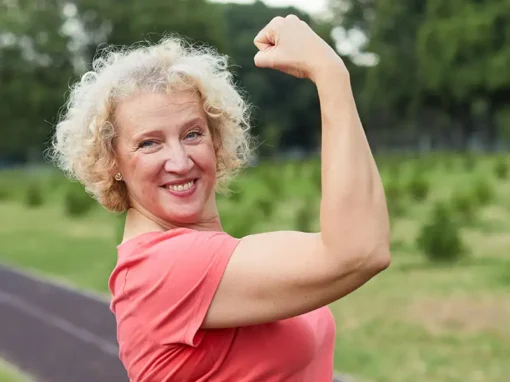
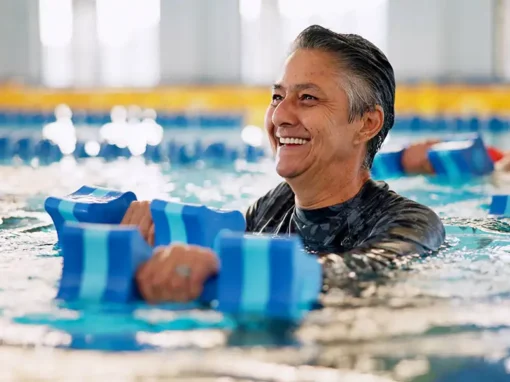
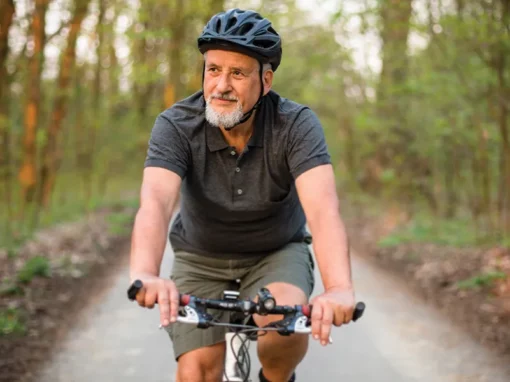
One of the biggest benefits of getting outside is simple: It helps people move. Walking, swimming, hiking, biking, kayaking, gardening, playing catch, and strolling the beach all count as meaningful movement. The Centers for Disease Control and Prevention recommends that adults aim for at least 150 minutes of moderate-intensity physical activity per week, along with muscle-strengthening activity on two days each week. Outdoor activities can be a very approachable way to work toward those goals.
Movement matters for nearly every part of the body. Regular physical activity supports cardiovascular health, strength, sleep, balance, mood, and energy. Physical activity can reduce short-term feelings of anxiety in adults and help improve sleep quality. That makes an after-dinner walk, an easy bike ride, or a relaxed swim more than “just exercise.” It becomes part of a whole-person health routine.
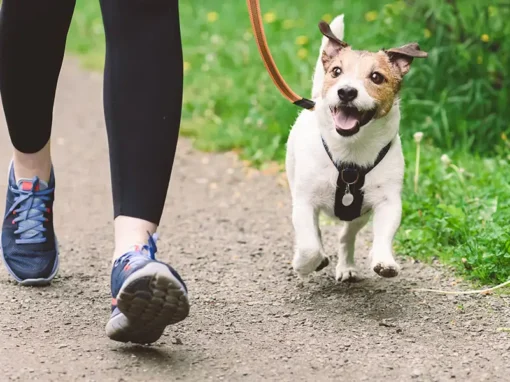
For people recovering from injury, managing arthritis, building endurance, or returning to activity after a sedentary season, the outdoors can be especially motivating. A treadmill walk may feel repetitive, but a walk through a neighborhood or park gives the brain scenery, sound, texture, and a destination. That sensory richness can make activity feel easier to begin and more enjoyable to repeat.
Green Spaces Support Mental Well-Being
The benefits of the outdoors are not only physical. Studies have linked green and blue spaces, such as parks, forests, lakes, rivers, and beaches, with better mental health and well-being. Research has found associations between nature exposure and positive outcomes such as improved emotional well-being, reduced stress, and better overall health perception.
This matters in Physical Therapy because healing isn’t just about muscles and joints. Pain, stress, sleep, fear of movement, and emotional fatigue can all affect how the body feels and performs. When someone is stressed, they may tense their shoulders, move less, breathe shallowly, or avoid activities they once loved. Gentle outdoor movement can help interrupt that cycle. A quiet walk, a few minutes of breathing on the porch, or light stretching under a tree can help calm the nervous system and make movement feel safer.
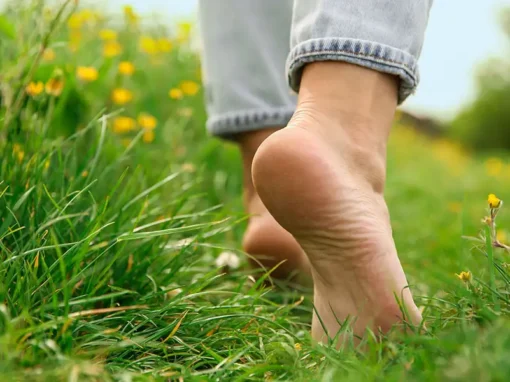
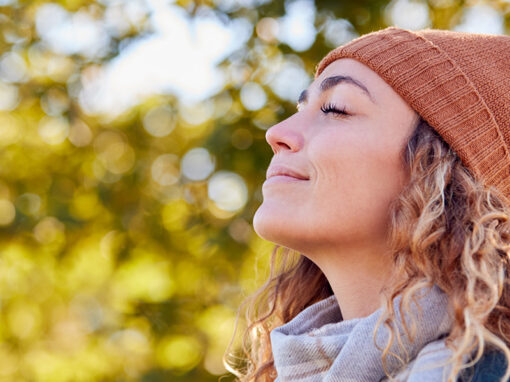
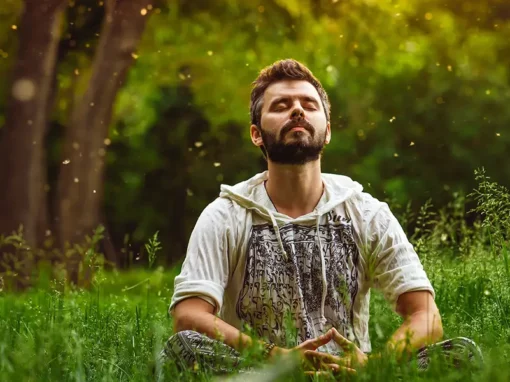
Nature also invites mindfulness without making it complicated. You don’t have to meditate perfectly. You can simply notice the sound of birds, the feel of grass under your shoes, the warmth of sunlight, or the rhythm of your breath while walking. These small sensory moments can help bring attention back to the present, which is often where healing begins.
Sunlight, Vitamin D, and a Healthy Respect for the Sun
Sunlight is another reason summer feels so energizing. The National Institutes of Health Office of Dietary Supplements explains that the body produces vitamin D when ultraviolet rays from sunlight strike the skin and trigger vitamin D synthesis. Vitamin D plays important roles in bone health, muscle function, and overall wellness.
That said, vitamin D from sunlight is not one-size-fits-all. The amount a person makes can vary based on skin tone, age, location, season, time of day, clothing, sunscreen, and individual health factors. Rather than chasing a specific number of minutes in the sun, it’s better to enjoy outdoor light safely and talk with a healthcare provider if vitamin D deficiency is a concern.
Summer sun can be wonderful, but it deserves respect. The CDC recommends protecting skin with strategies such as shade, clothing, hats, sunglasses, and sunscreen. Heat safety matters too. Hot days can affect anyone, and it’s important to stay cool, hydrated, and know the symptoms of heat-related illness.
A smart outdoor routine might mean walking earlier in the morning, choosing shaded trails, bringing water, wearing supportive shoes, taking breaks, and listening to your body. Enjoy the sun, but don’t ignore dizziness, unusual fatigue, headache, nausea, confusion, or cramping. Summer movement should leave you feeling refreshed, not depleted.
The Outdoors Gives Your Body Helpful Variety
One reason outdoor activity is so valuable is that it rarely happens on a perfectly flat, predictable surface. Trails, grass, sand, garden paths, and even gentle hills ask your body to make small adjustments. Your ankles, hips, core, and postural muscles work together to keep you steady. Over time, that can support balance, coordination, and confidence.
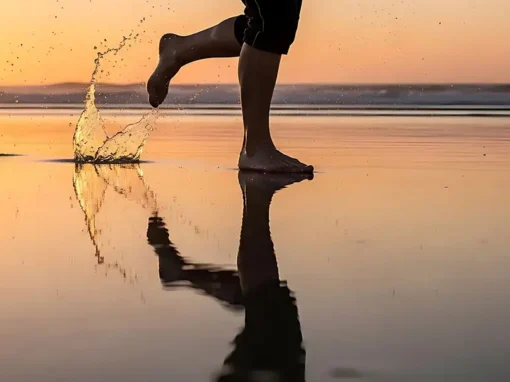
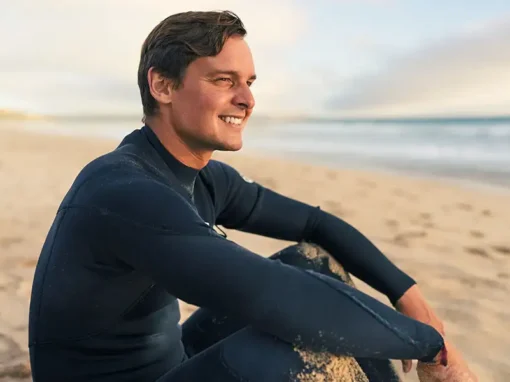
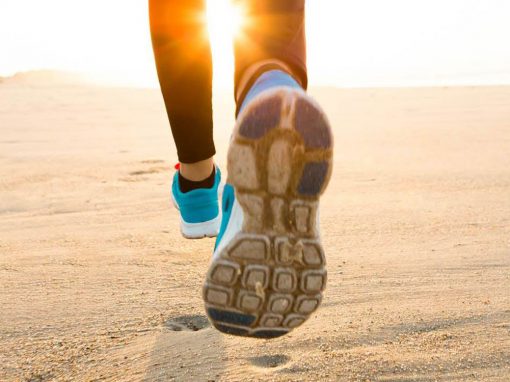
Think about a beach walk. Sand changes with every step, so your feet and calves work differently than they do on pavement. A garden squat asks your hips and knees to bend, your core to stabilize, and your shoulders to reach. A kayak outing challenges trunk rotation, shoulder control, grip strength, and endurance. A hike may build cardiovascular fitness, leg strength, and balance all at once.
This is where a Physical Therapy mindset can help you enjoy summer safely! Your body adapts best when activity increases gradually. If you’ve been mostly indoors, don’t begin with a long, steep hike at midday. Start with a shorter walk, a flatter trail, or a slower pace. Add time, distance, or challenge one layer at a time.
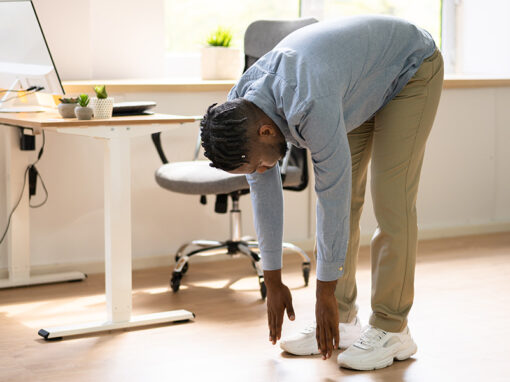
A simple warm-up can also make outdoor movement feel better. Before hiking, walking, paddling, or gardening, try a few minutes of easy movement: shoulder rolls, gentle marching, ankle circles, hip hinges, or slow bodyweight squats. The goal isn’t to exhaust yourself… It’s to tell your muscles and joints, “We’re getting ready.”
Studies Prove Even a View of Nature Can Make a Difference
One of the most memorable studies on nature and healing looked at patients recovering from surgery. Patients with a hospital window view of trees had shorter postoperative stays and took fewer strong pain medications than matched patients whose windows faced a brick wall. It was a small study, but it helped inspire decades of interest in how natural environments may support recovery.
That finding is a beautiful reminder: Nature doesn’t have to be extreme to be meaningful. You don’t need to climb a mountain or train for a race to benefit from the outdoors. A view of trees, a few flowers by the front step, a small herb garden, or a chair in the shade can all create connection.
For someone with limited mobility, fatigue, pain, or balance concerns, this is important. Outdoor wellness can be adapted. Sit outside for morning coffee. Walk to the mailbox. Do seated stretches on the porch. Visit a park with benches. Choose a paved path. Bring a walking partner. Nature isn’t reserved for the highly athletic. It belongs to every body.
Summer Activities That Support Strength, Mobility, and Joy
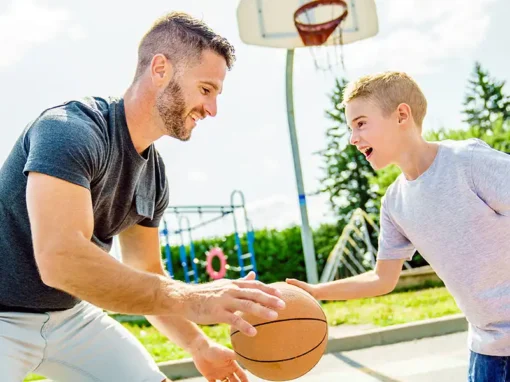
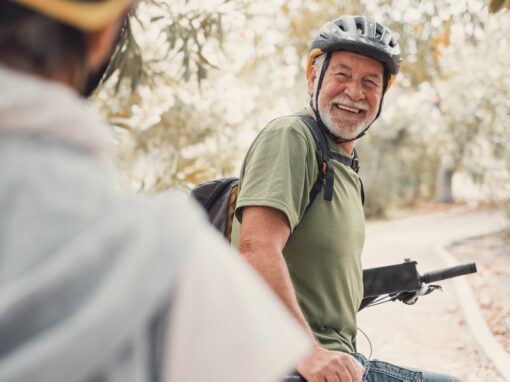
The best summer activity is the one you’ll actually enjoy and repeat. For some people, that means a quiet walk in a natural setting. For others, it’s gardening, swimming, hiking, biking, paddling, or playing with grandchildren in the yard.
Take a quiet walk in a natural setting.
Enjoy the birds as you tend your garden.
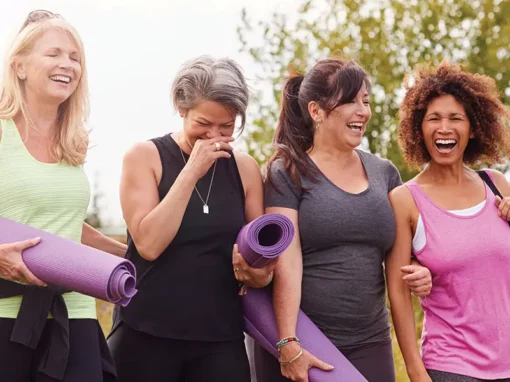
Have a picnic with family and friends.
Grab your friend and go on a hike.
Take a beach stroll in the wee early hours.
Canoe or kayak in one of our many waterways.
Try camping, even if it’s in your backyard.
Plant some pollinator-friendly plants.
How to Keep Outdoor Activity Safe and Sustainable
A great summer outdoors is doing what supports your body well.
That means, start where you are. If your current routine is limited, begin with 10 to 15 minutes of outdoor activity and build gradually. It also means…
- Choose good shoes.
- Hydrate before, during, and after activity.
- Protect your skin.
- Take breaks in shade.
- Pay attention to surfaces, especially if balance is a concern.
- Stop if pain changes your movement pattern or if symptoms feel sharp, worsening, or unusual.
It’s also wise to rotate activities. Walk one day, swim another, garden lightly the next, and take a mobility day when your body asks for it. Variety helps reduce overuse and keeps the season interesting.
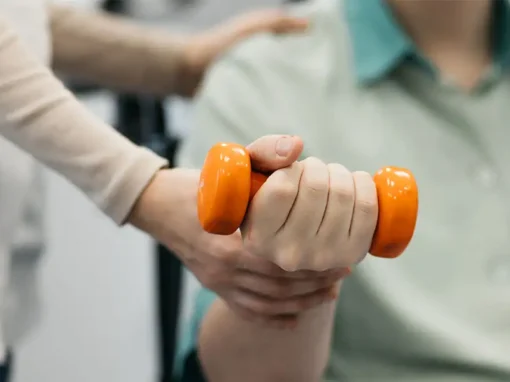
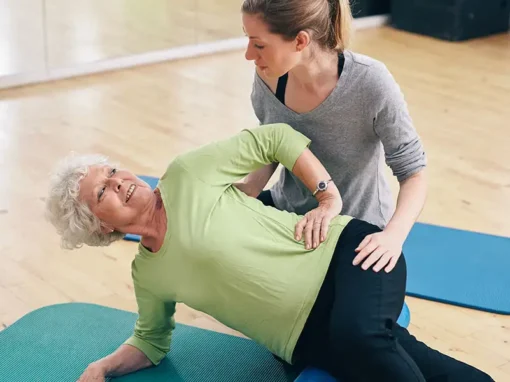
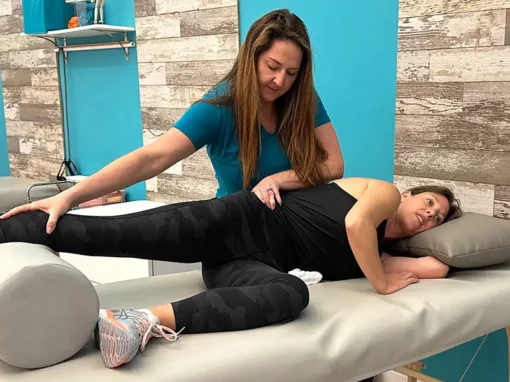
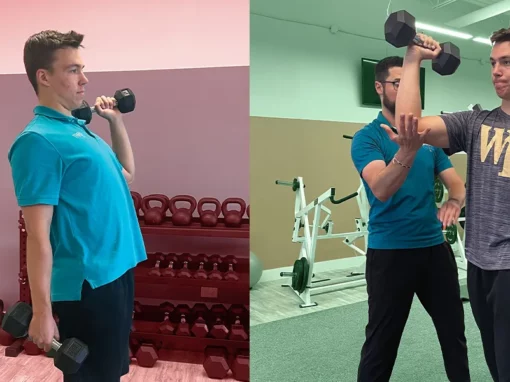
A Thrive physical therapist can help if pain, stiffness, weakness, or balance issues are keeping you from enjoying outdoor activities. Sometimes a few targeted exercises, gait adjustments, strengthening strategies, or mobility drills can make a big difference. The goal isn’t just to recover from discomfort. The goal is to return to the life you want to live.
Step Outside and Let Summer Support Your Health
The great outdoors is great because it gives us so many layers of wellness at once:
- Encourages movement
- Supports mood
- Offers sunlight, fresh air, color, sound, and connection
- Gives families and friends a reason to gather
- Helps exercise feel less clinical and more joyful
Your body was made to move, sense, adapt, and connect. The outdoors gives you a beautiful place to do all four. With a little preparation, a steady pace, and a Thrivestyle Medicine™ approach to whole-person health, summer can become a season of strength, restoration, and renewed joy.
If you’d like to chat with us or book a free physical therapy screening, we’re standing by, ready to help you embrace all the goodness summertime in the great outdoors gives us!