

Healing isn’t always about doing more. Sometimes the body needs the right conditions to recover well, including quality sleep, comfortable movement, manageable stress, and freedom from persistent pain.
That’s where chiropractic care can play a role.
At Thrive, we see chiropractic care as more than a response to back pain. When used appropriately, it can help address musculoskeletal discomfort, improve mobility, and reduce some of the physical barriers that interfere with rest and recovery.
Chiropractic care doesn’t heal the body for you. It can, however, help create better conditions for your body to do what it already knows how to do.
Why Rest Matters So Much
Sleep and rest are active parts of recovery. While you sleep, your body supports tissue repair, immune function, hormone regulation, brain health, and many other essential processes.
Pain can disrupt that process.
A stiff neck, sore lower back, or irritated joint may make it difficult to get comfortable, stay asleep, or wake feeling restored. Over time, that can create a frustrating cycle: Pain disrupts sleep. Poor sleep can increase pain sensitivity. Increased pain makes sleep even harder.
This is one reason we look beyond the symptom itself.
If pain is affecting sleep, movement, exercise, or daily function, addressing the source of that discomfort may help improve the bigger picture.
How Chiropractic Care May Help
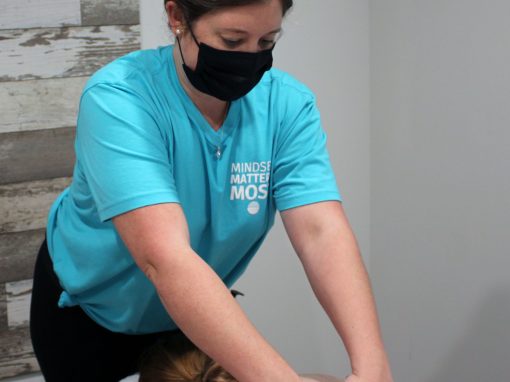
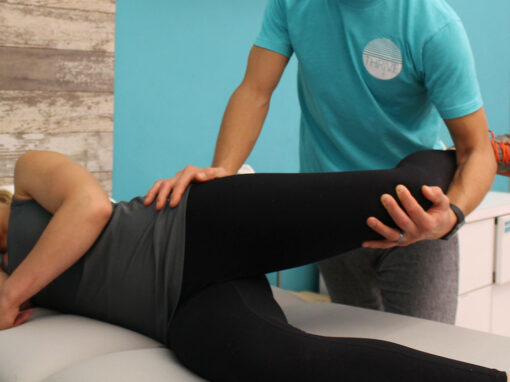
Chiropractic care focuses on the musculoskeletal system, especially the spine, joints, muscles, and movement patterns. And depending on your needs, care may include spinal manipulation or mobilization, soft-tissue work, exercise recommendations, stretching, and movement guidance.
For some types of neck and back pain, spinal manipulation can help reduce pain and improve function. That matters because when you hurt less, you may move more comfortably, rest more easily, and return to normal activity with greater confidence.
The goal is not simply to “get adjusted.” The goal is to function better.
Better Movement Can Support Better Recovery
When something hurts, people often start moving less. That makes sense in the short term, but prolonged avoidance can sometimes lead to more stiffness, less strength, and greater difficulty returning to normal activity.
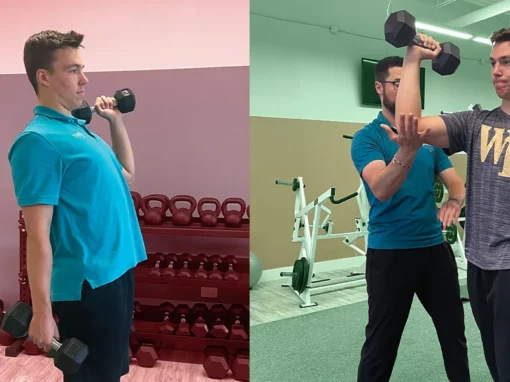
Chiropractic care may help improve mobility and reduce discomfort enough to make appropriate movement easier. That can be especially helpful when paired with other strategies such as strength training, stretching, physical therapy, ergonomic changes, or gradual return to activity.
At Thrive, we don’t view hands-on treatment as the whole answer. What you do between visits matters just as much.
Pain, Stress, and the Nervous System
Pain is not purely mechanical. The nervous system plays a major role in how pain is experienced, and factors such as stress, sleep, mood, and previous injury can all influence how intensely pain is felt.
That doesn’t mean pain is “all in your head.” It means pain is more complex than a sore muscle or stiff joint alone.
Manual therapies, including chiropractic care, may influence how the body processes pain and movement. Just as importantly, reducing physical discomfort may make it easier to relax.
Stress can also show up physically. Tight shoulders, jaw tension, shallow breathing, poor sleep, long hours at a desk, and reduced activity often travel together.
Chiropractic care cannot remove stress from your life, but it may help address some of the physical tension and movement restrictions that come with it.
Sometimes the Real Problem Is Your Daily Routine
If you wake up every morning with a stiff neck, your pillow may not be the only thing to blame. Consider what your body is doing all day…
- Are you sitting for hours at a computer?
- Looking down at your phone?
- Training hard without enough recovery?
- Repeating the same movement over and over?
- Staying in one position for too long?
These daily patterns matter! That’s why good chiropractic care should include more than asking where it hurts. We also want to know how you work, move, exercise, sleep, and recover.
Sometimes the most important part of treatment is identifying the habit that keeps recreating the problem.
Rest Does Not Mean Doing Nothing
Recovery should be strategic. There are times when reducing activity makes sense, especially after injury or during a flare-up. But complete inactivity is often not the long-term solution for common musculoskeletal problems.
Better recovery may mean:
- Modifying activity instead of stopping it entirely
- Building strength and mobility gradually
- Improving workstation setup
- Taking movement breaks throughout the day
- Adjusting training volume
- Improving sleep habits
- Giving the body enough time between hard workouts
Chiropractic care can support that process by helping address pain and mobility restrictions that make healthy movement more difficult.
Give Your Body Better Conditions to Heal
Your body is always adapting to what you ask of it.
- Work hard, and it needs recovery.
- Train hard, and it needs recovery.
- Sit for long periods, and it needs movement.
- Deal with pain, and it may need help restoring comfortable function.
Chiropractic care cannot replace sleep, exercise, good nutrition, or healthy movement. But it may help remove some of the physical obstacles that make those things harder.
If pain, stiffness, or recurring discomfort is interfering with your sleep, exercise, work, or daily activities, it may be time to look beyond simply putting up with it.
At Thrive, our goal is to help you move better, recover better, and stay engaged in the activities that support your long-term health.
Ready to find out whether chiropractic care could help you feel and function better? Schedule a consultation today. We’ll look at what’s bothering you, what may be contributing to it, and what steps can help you move toward better rest, recovery, and resilience.