

Everyday comfort matters. It affects how you sit at your desk, how easily you turn your head while driving, how well you sleep, how much energy you have for the people you love, and how freely you move through your day. When your muscles are tight, your joints feel stiff, or stress seems to settle into your neck, shoulders, or back, even ordinary routines can start to feel harder than they should.
Massage therapy at Thrive is designed to support your body in a practical, restorative way. It’s not just a luxury or an occasional treat. Regular massage can be an important part of caring for your mobility, stress balance, recovery, and overall sense of well-being.
How Massage Therapy Works
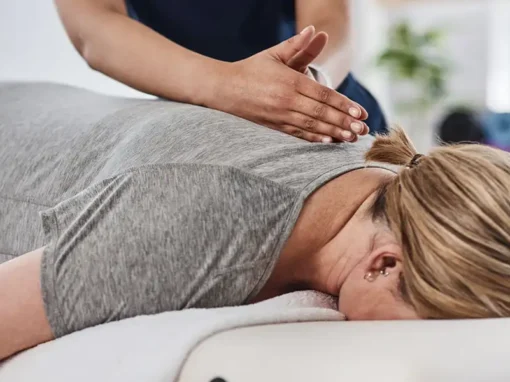
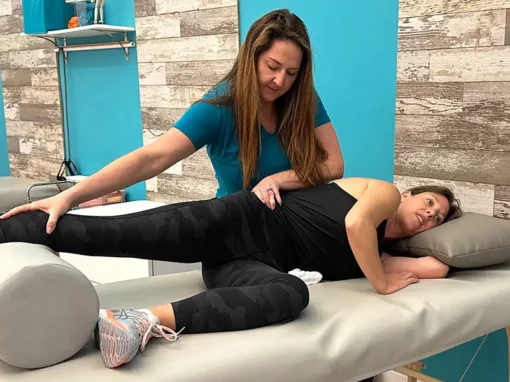
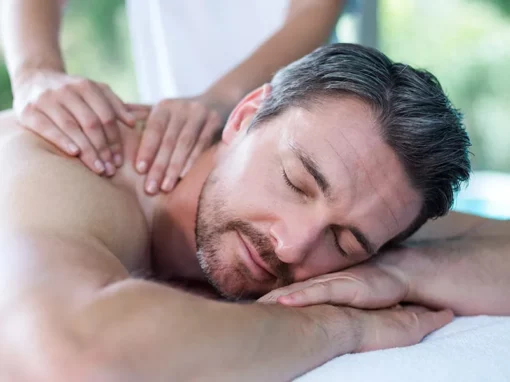
Massage therapy focuses on the body’s soft tissues, including muscles, connective tissue, tendons, ligaments, and skin. During a session, your massage therapist uses pressure, movement, kneading, stretching, and other hands-on techniques to help release tension and support healthier movement patterns. Besides describing massage as part of integrative medicine, Mayo Clinic notes that studies have found massage can help reduce stress, lessen pain and muscle tightness, increase relaxation, and support immune function.
When muscles are overworked, underused, stressed, or held in one position for too long, they can become tight and guarded. This can limit range of motion, create discomfort, and make your body feel older or more restricted than it really is. Massage helps by encouraging circulation, calming the nervous system, reducing muscle stiffness, and improving how freely tissues glide and move.
Think about what happens after a long day at a computer. Your shoulders may creep upward, your jaw may tighten, your hips may feel stiff, and your low back may ache. Massage therapy helps interrupt that pattern. It gives the body a chance to soften, reset, and remember that it does not have to stay braced all the time.
Why Regular Massage Matters
One massage can feel wonderful, but regular massage is where many people notice deeper change. That’s because tension often builds gradually. Your daily posture, sleep position, workouts, stress level, driving habits, old injuries, and work routines all influence how your body feels.
If you only receive massage when you’re already uncomfortable, you may always feel like you’re catching up. Regular massage can shift the focus from reacting to discomfort to maintaining comfort. It supports the Thrive philosophy of Thrivestyle Medicine™, which means helping your body function well in real life, not just when symptoms demand attention.
Consistency gives your massage therapist a better understanding of your body. Over time, they can notice patterns, such as one shoulder that always carries more tension, hips that tighten after long sitting, or calves that become sore after workouts. This allows your care to become more personalized and more effective.
Regular sessions can also help train your own awareness. You may begin to notice when stress first shows up in your neck, when your breathing gets shallow, or when your low back tightens after too many hours in one position. That awareness is powerful because it helps you make small changes before discomfort becomes a bigger problem.
Everyday Comfort Starts With Better Mobility
Mobility isn’t just for athletes. It’s for everyone who wants to bend, reach, lift, walk, sleep, work, and live with more ease. When your muscles and soft tissues are restricted, your body may compensate in ways that create new discomfort. A tight hip can affect the low back. A stiff upper back can influence the neck. Tight calves can affect how your feet, knees, and hips move.
Massage therapy supports mobility by reducing soft tissue tension and helping the body move with less resistance. The physical benefits of massage include decreased muscle stiffness, improved flexibility, less pain and soreness, improved circulation, and better quality of sleep.
For someone who sits most of the day, massage may help open areas that become shortened or tight, such as the chest, neck, hips, and low back. For someone who’s active, massage may support recovery between workouts. For someone managing the demands of parenting, caregiving, or a busy career, massage can help reduce the physical effects of stress that often collect in the shoulders, jaw, back, and hips.
Massage and the Nervous System
One of the most meaningful effects of massage is how it helps the nervous system shift out of a stress-driven state. Many people live in a constant cycle of rushing, multitasking, worrying, and pushing through. The body responds by holding tension, tightening muscles, increasing alertness, and making it harder to fully relax.
Massage provides calming sensory input. It encourages slower breathing, body awareness, and a sense of safety. This is one reason people often leave a session feeling not only physically lighter, but mentally clearer.
This matters because physical comfort and mental stress are connected. A tense mind can create a tense body, and a tense body can keep the mind on alert. Massage helps create a pause in that loop.
Supporting Sleep, Focus, Energy, and Stress Balance
Healthy routines are easier to maintain when your body feels supported. Massage therapy can fit beautifully into routines for sleep, focus, energy, and stress balance.
For sleep, massage may help by reducing pain, stress, and anxiety, which are common reasons people struggle to rest well. The American Massage Therapy Association notes that research suggests massage may help improve sleep quality and may work best when paired with good timing, gentle techniques, and ongoing self-care.
Massage can also help create a transition between the busyness of the day and the calm your body needs at night. When paired with simple habits, such as dimming lights, taking a warm shower, breathing slowly, and putting screens away earlier, massage can become part of a healthier sleep rhythm.
For focus, regular massage may help by reducing the physical distractions that pull attention away from daily tasks. It’s hard to concentrate when your neck aches, your shoulders burn, or your low back keeps reminding you to shift in your chair. Feeling more comfortable in your body can make it easier to stay present.
For energy, massage may help by reducing the drain of chronic tension. Tight muscles and stress take effort to carry. When your body feels less guarded, you may feel more available for movement, work, family, and the parts of life that bring you joy.
For stress balance, massage can act as a regular reset. It doesn’t remove life’s responsibilities, but it can help your body recover from them. That recovery isn’t selfish. It’s maintenance.
Simple Ways to Get More From Your Massage at Thrive
-
Drink Water
Drink water after your massage. You don’t need to overdo it, but gentle hydration supports normal muscle function and helps you feel your best.
-
Move Gently Later
A short walk, light stretching, or relaxed mobility work can help your body integrate the session. Avoid jumping immediately into an intense workout unless your therapist recommends it.
-
Breathe Deeply
Slow, diaphragmatic breathing can help engage the body’s relaxation response. Sleep Foundation notes that slow, deep breathing can help reduce stress and create a sense of calm, which makes it a helpful addition to a nighttime routine.
-
Watch Your Posture
Pay attention to your posture without trying to be perfect. Your body doesn’t need rigid posture all day. It needs variety. Change positions often, stand up regularly, and give your neck, shoulders, and hips small movement breaks.
-
Use Heat Appropriately
A warm shower, heating pad, or warm bath can help tight muscles relax. Your massage therapist can guide you on whether heat or ice makes more sense for your specific situation.
-
Stretch Gently
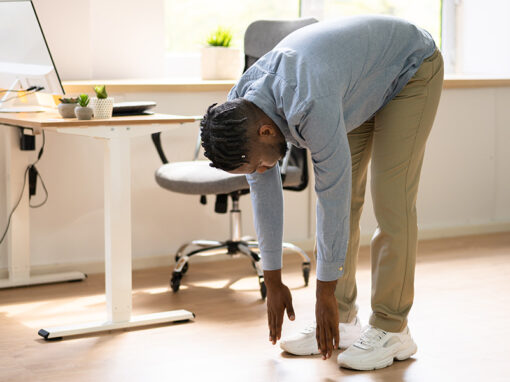
Stretching should feel supportive, not aggressive, or like a battle. Slow, comfortable stretches for the chest, hips, calves, and upper back can be helpful for many people.
-
Share Feedback
Talk to your therapist. Massage shouldn’t hurt or feel painfully intense to be effective. Ask for lighter pressure if a therapist is pressing too hard.
-
Protect Your Sleep Routine
A consistent bedtime, calming evening routine, and supportive pillow can all help your body stay more relaxed between massage sessions.
How Often Should You Schedule Massage?
The best schedule depends on your body, your goals, and your lifestyle. Someone dealing with frequent muscle tension, high stress, or intense training may benefit from more frequent sessions for a period of time. Someone focused on maintenance may do well with a regular monthly rhythm.
The key is consistency. Just as brushing your teeth works best before there is a problem, massage often works best when it’s part of your ongoing wellness routine, not only something you book when your body is already asking loudly for help.
At Thrive, your massage therapy plan can be personalized. Your therapist may recommend a rhythm based on how much tension you carry, how quickly symptoms return, how active you are, and what you’re hoping to improve.
When to Use Extra Caution
Massage therapy is generally low risk when performed by a trained practitioner, but it’s not right for every situation. People with certain health conditions, pregnant women, and people taking anticoagulant medications may need to avoid some types of massage or consult a healthcare provider first. Forceful deep tissue massage should also be avoided over wounds, weak skin, or areas where deeper pressure is not appropriate.
Always tell your massage therapist about recent injuries, surgeries, pregnancy, blood clots, cancer treatment, osteoporosis, skin conditions, nerve symptoms, or medications that may affect bruising or bleeding. Good massage therapy is collaborative, respectful, and adapted to your needs.
A More Comfortable Way to Move Through Life
Massage therapy is one of the most approachable ways to care for your body. It meets you where you are, whether you feel tight from work, sore from exercise, drained from stress, or simply ready to feel more comfortable in your everyday movement.
Regular massage can help you build a healthier relationship with your body. Instead of ignoring discomfort until it becomes disruptive, you can create a rhythm of care that supports mobility, relaxation, sleep, focus, energy, and stress balance.
At Thrive, massage therapy isn’t just about feeling better for an hour. It’s about helping you carry that comfort into your daily life. When your body moves more freely, your mind can settle. When tension decreases, energy can return. When recovery becomes routine, wellness feels more sustainable.
Start your massage therapy at Thrive today. Your body works hard for you every day, and regular massage is one way to care for it with intention, kindness, and consistency.