

The military community understands discipline, sacrifice, and the value of showing up prepared. Physical readiness is not just a goal, it is part of the job. From daily training demands to formal physical fitness performance tests, service members are asked to perform at a high level again and again. That kind of commitment deserves equally high-level recovery support.
At Thrive, we are proud to serve those who serve. We celebrate the strength, dedication, and resilience of our military community, and we believe recovery is not a luxury. It is a critical part of long-term performance, injury prevention, and mission readiness. Through our comprehensive physical therapy services and our Thrivestyle Medicine™ approach, we help active duty members, reservists, veterans, and military families move better, recover smarter, and stay strong for the demands ahead.
Why Recovery Matters in Military Fitness Training
Military training is unique. It requires a combination of muscular strength, endurance, agility, coordination, mobility, and mental toughness. Whether you are preparing for a timed run, push-up and sit-up requirements, loaded carries, ruck marches, obstacle courses, or tactical movement drills, your body is being asked to perform across multiple systems at once.
That level of demand can build impressive physical capacity, but it can also create wear and tear. Repetitive impact, overtraining, poor movement patterns, past injuries, and inadequate recovery often lead to common issues such as:
- Knee pain
- Shin splints
- Low back pain
- Shoulder strain
- Hip tightness
- Ankle instability
- Muscle imbalances
- Reduced flexibility
- Overuse injuries
Many service members are used to pushing through discomfort. That mindset can be admirable, but it can also delay healing and turn small issues into bigger problems. Physical therapy helps bridge the gap between pain and performance. Instead of waiting until an injury sidelines you, proactive therapy can help restore movement, improve mechanics, and keep you training with confidence.
The Connection Between Physical Therapy and Fitness Performance Tests
Physical fitness performance tests are designed to measure readiness. They challenge cardiovascular capacity, muscular endurance, strength, speed, and overall conditioning. Preparing for these tests often involves intense training blocks that can expose weaknesses in the body.
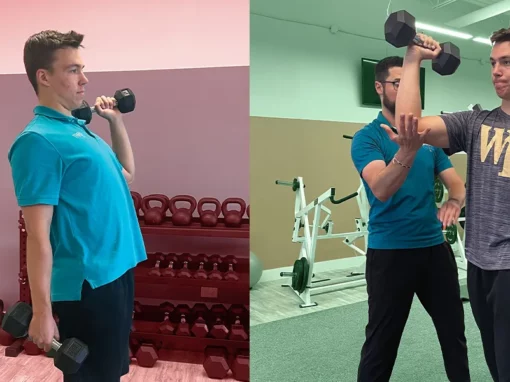
For example, a service member may have the cardiovascular fitness to complete a run, but recurring hip stiffness may shorten stride length and increase stress on the knees. Another may have excellent upper body strength, but poor shoulder mobility can make push-up performance painful and inefficient. Someone else might have the grit to push through endurance events, but limited ankle mobility and core instability could affect running form, balance, and power output.
This is where physical therapy becomes a game changer.
A comprehensive physical therapy plan does more than address pain. It looks at how the body is moving as a whole. By evaluating posture, joint mobility, muscle activation, movement patterns, and recovery capacity, physical therapists can uncover the root causes that may be limiting test performance.
That means treatment is not only about feeling better. It is also about helping you:
- Move more efficiently
- Generate more power
- Recover faster between training sessions
- Improve form under fatigue
- Build resilience against future injury
- Perform with greater confidence on test day
When every repetition, minute, or movement standard matters, better recovery and better movement can make a meaningful difference.
Building Muscular Strength Without Breaking Down
Muscular strength is foundational in military readiness. It supports lifting, carrying, climbing, sprinting, pushing, pulling, and stabilizing under load. It also protects the body during demanding tasks, from moving equipment to navigating uneven terrain.
However, strength gains are most sustainable when the body is aligned and functioning well. If one muscle group is compensating for another, or if mobility restrictions are forcing poor mechanics, strength training can reinforce dysfunction rather than improve performance.
Physical therapy helps identify those hidden barriers. A therapist may find that:
- Glutes are underactive during squats or deadlifts
- Core stability is insufficient under load
- Shoulder blades are not moving well during pressing or pulling
- Hip mobility is limiting lower body power
- Previous injuries are changing movement mechanics
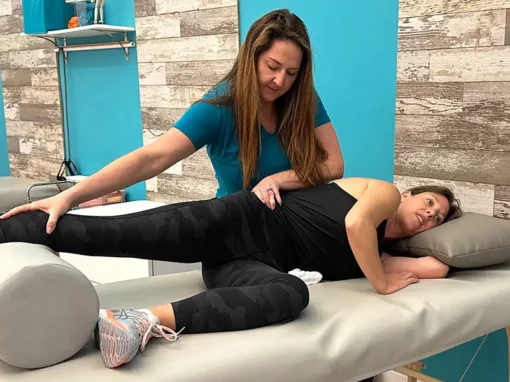
By correcting these issues, physical therapy helps you build strength on a stronger foundation. Treatment may include targeted manual therapy, corrective exercise, neuromuscular re-education, and progressive strengthening tailored to your training goals.
The result is not just more strength on paper. It is more usable strength in real-world movement, with less strain and better control.
Endurance Is More Than Cardio
When people think about endurance, they often think about long runs or ruck marches. Those are certainly important, but endurance also includes the body’s ability to repeat movement efficiently over time without excessive breakdown.
Muscular endurance is especially important in military settings. Holding posture under load, performing repeated bodyweight exercises, maintaining running mechanics during fatigue, and sustaining task performance over long periods all depend on endurance.
The challenge is that fatigue often reveals movement inefficiencies. A service member may start a training session with solid form, but as muscles tire, compensation patterns emerge. Knees collapse inward, shoulders round forward, stride mechanics change, or the low back starts doing work that the hips and core should handle.
Physical therapy helps improve endurance by addressing the movement quality behind the performance. When joints move well and muscles activate in the right sequence, the body conserves energy more effectively. That can translate to:
- Better pacing during fitness tests
- Less discomfort during repetitive drills
- Improved postural control during long training sessions
- Reduced risk of overuse injuries
- Stronger finishing capacity when fatigue sets in
In other words, endurance is not only about pushing harder. It is also about moving smarter.
Improved Flexibility Supports Strength and Resilience
Flexibility is sometimes overlooked in performance conversations, but it plays a major role in both recovery and readiness. Tight muscles and restricted joints can affect everything from squat depth and running form to overhead movement and spinal alignment.
Improved flexibility does not mean becoming overly loose or sacrificing strength. It means having the mobility needed to move through required ranges of motion with control. That balance is essential for military fitness training, where the body must be both powerful and adaptable.
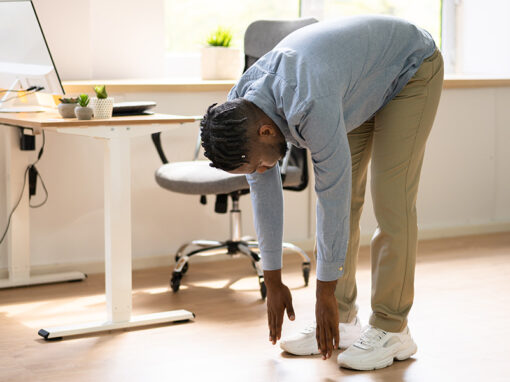
Physical therapy can help improve flexibility in a focused, functional way. Rather than generic stretching alone, treatment often includes:
- Joint mobilization
- Soft tissue work
- Dynamic mobility drills
- Breathing and alignment strategies
- Movement retraining
- Personalized home exercise plans
This kind of targeted flexibility work can support:
- Better stride mechanics during running
- More efficient lifting patterns
- Easier transitions in agility work
- Reduced stiffness after training
- Less compensation in surrounding muscles and joints
For service members who feel constantly tight, sore, or restricted, improved flexibility can be a turning point. It often brings not only relief, but also better power output, smoother movement, and greater confidence during physical testing.
Recovery Is Part of Performance
A common misconception in high-performance culture is that recovery means doing less. In reality, recovery is what allows you to keep doing more, sustainably.
Without proper recovery, the body never fully adapts to training. Muscles stay tight, joints become irritated, movement quality declines, and performance plateaus. Over time, this can lead to a frustrating cycle of pain, missed training, and diminished readiness.
Physical therapy supports recovery by helping the body process training stress more effectively. Depending on your needs, that may include:
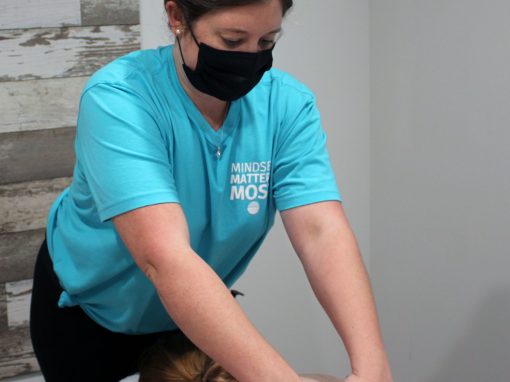
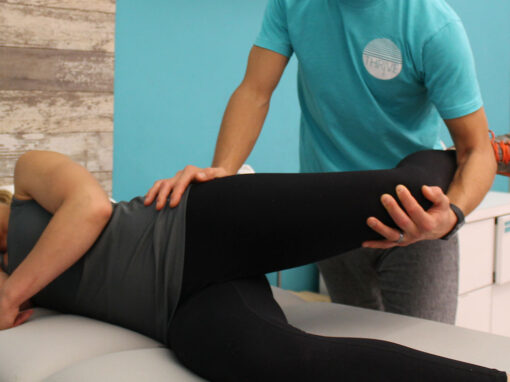
- Hands-on treatment to reduce pain and stiffness
- Corrective exercise to improve movement efficiency
- Strength programming to address weak links
- Flexibility and mobility work to restore range of motion
- Education on pacing, form, and load management
- Strategies to improve recovery between workouts and tests
This is especially important for military populations, where physical demands may be layered on top of limited sleep, job stress, travel, or unpredictable schedules. Recovery plans need to be realistic, individualized, and effective. That is exactly what a thoughtful physical therapy approach provides.
The Thrivestyle Medicine™ Difference
At Thrive, we believe health care should go beyond symptom management. Our Thrivestyle Medicine™ approach looks at the whole person, not just the isolated injury or painful body part. For military fitness recovery, that means we consider how your daily demands, training goals, injury history, lifestyle habits, and long-term readiness all fit together.
This approach is comprehensive because military readiness is comprehensive. A sore knee may be connected to ankle mobility, hip strength, running mechanics, stress levels, or recovery habits. Shoulder discomfort during training may be influenced by posture, thoracic mobility, breathing patterns, or previous strain. By looking at the full picture, we can create a treatment plan that supports not only short-term relief, but also lasting resilience.
Our goal is to help you thrive in a way that feels practical, empowering, and performance-focused. We want you to understand your body, trust your movement, and have a clear path forward.
With Thrivestyle Medicine™, care is personalized and proactive. We work to help you:
- Recover from current injuries
- Prevent recurring issues
- Improve strength and endurance capacity
- Enhance flexibility and movement quality
- Prepare confidently for physical fitness performance tests
- Maintain readiness for work, training, and life
Stay Strong, Recover Well, and Keep Moving Forward
Military fitness is about more than passing a test. It is about being prepared, capable, and resilient under pressure. Recovery is part of that readiness, and physical therapy offers a smart, effective path to staying strong for the long haul.
If you are dealing with pain, stiffness, recurring injuries, or performance limitations, now is a great time to take recovery seriously. With comprehensive physical therapy services and our Thrivestyle Medicine™ approach, we’re here to help you move better, train smarter, and continue showing up at your best.
Reach out to learn more about our physical therapy services and book your free screening today.
To our military community, thank you. Your strength inspires us. Your commitment deserves exceptional care. And your recovery matters.
Because when you care for the body that carries the mission, you build the strength to keep going, and the resilience to thrive.