

Headaches can make it difficult to work, exercise, sleep, or simply enjoy everyday life. While many people reach for pain medication to temporarily reduce symptoms, recurring headaches often continue because the underlying cause has never been identified.
One thing many people don’t realize is that headaches frequently begin somewhere other than the head.
Muscle tension, neck stiffness, jaw dysfunction, breathing patterns, posture, and even the way your rib cage moves can all contribute to recurring headaches.
Dry needling can be an incredibly effective treatment for reducing muscle tension and relieving headache symptoms. But at Thrive, we believe dry needling is a recovery service that works best when it’s part of a comprehensive physical therapy evaluation that identifies why those muscles became tight in the first place.
Traditional Headache Treatment vs. Thrive’s Whole-Body Approach
Many treatment approaches follow a fairly straightforward path:
Headache → Trigger Points → Dry Needling → Temporary Relief
While reducing muscle tension is important, it doesn’t always answer the bigger question: Why are those muscles working so hard? At Thrive, we take a whole-body approach:
Headache → Breathing Mechanics → Rib Cage Mobility → Postural Balance → Nervous System Regulation → Dry Needling + Restorative Exercises → Longer Lasting Relief
Rather than simply treating where it hurts, we evaluate how your entire body is moving and breathing to uncover the root cause of recurring tension.
The Connection Between Your Neck and Your Headaches
Many people seeking physical therapy for headaches are surprised to learn that structures in the neck commonly contribute to symptoms felt in the head.
Muscles including the upper trapezius, sternocleidomastoid (SCM), suboccipitals, temporalis, and muscles surrounding the jaw can develop trigger points that refer pain into the forehead, temples, behind the eyes, or the base of the skull.
But here’s what makes our evaluation different. Often these muscles are working overtime because they are trying to stabilize a body that has lost efficient breathing mechanics and postural balance.
When the diaphragm, rib cage, and trunk are not sharing the workload efficiently, the neck muscles frequently become “helper breathing muscles.” Over time, they become chronically overworked, leading to stiffness, trigger points, headaches, jaw tension, and neck pain.
Many people with chronic headaches don’t realize they spend much of the day breathing with their neck and upper chest instead of using their diaphragm efficiently. Every breath becomes another repetition for already overworked neck muscles.
Not to Mention, the Shoulder, Rib Cage, and Head Connection
Headaches aren’t just about your neck, either. How well your shoulders, shoulder blades, rib cage, and upper back move together has a tremendous influence on the muscles supporting your head. In fact, your upper body should be able to rotate, reach, and move independently without pulling excessively on your neck. And when the shoulders, rib cage, and thoracic spine lose mobility, everything begins moving as one rigid unit.
Instead of movement occurring throughout your upper body, your neck often absorbs the stress. Over time this creates excessive muscle guarding, stiffness, reduced rotation, and headaches.
Rethinking Posture
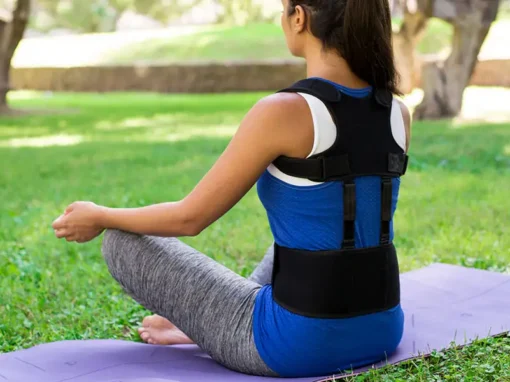
When most people hear the word “posture,” they think they need to stand up straighter. That isn’t how we define posture. In fact, many people with chronic headaches and neck pain actually over-correct their posture by holding themselves excessively upright and rigid throughout the day.
At Thrive, we view posture as your body’s ability to efficiently stack the rib cage, pelvis, and head so breathing and movement can occur with the least amount of strain.
When those relationships become imbalanced, muscles throughout the neck and shoulders often compensate by working harder than they were designed to.
Why Breathing Matters More Than You Think
Breathing is mechanical movement. Every breath should create coordinated movement throughout your rib cage, chest wall, diaphragm, and thoracic spine. When these structures stop moving efficiently, pressure inside your body changes.
Your rib cage and diaphragm create pressure that helps stabilize the spine during every breath. When this system isn’t working efficiently, the neck and shoulder muscles often compensate, increasing tension around the base of the skull, jaw, and upper neck.
Your neck muscles were designed to help support the posture and movement of your head. They were never intended to breathe for you all day while sitting at your desk, driving, sleeping, or working under stress. When they become breathing muscles instead of movement muscles, they frequently become painful, tender, and contribute to recurring headaches.
How Dry Needling Helps
Dry needling uses a thin, sterile filament needle to reduce trigger points, muscle guarding, and excessive muscle activity. For many patients, it provides significant relief from neck tension and headaches.
The goal of dry needling is to:
- Reduce muscle tension
- Decrease protective muscle guarding
- Improve mobility
- Reduce pain sensitivity
- Restore more normal movement
At Thrive, however, you get more than quick relief with a dry needling treatment; we view this recovery service as a tool that creates an opportunity for your body to move differently.
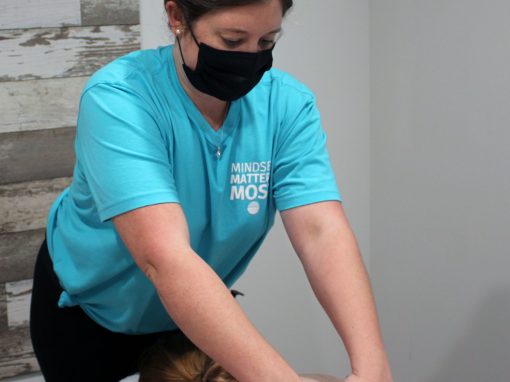
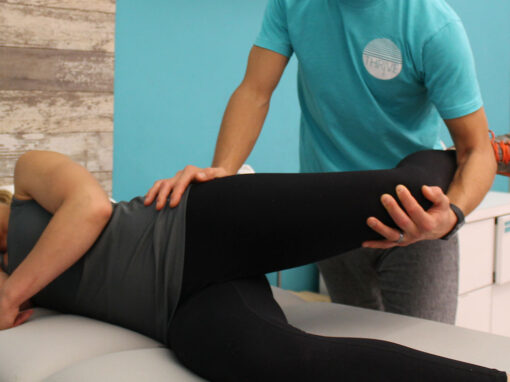
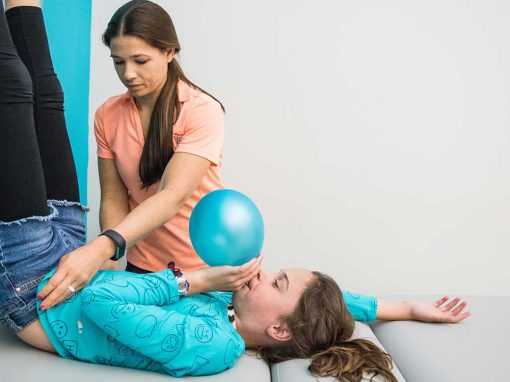
Once muscle guarding has decreased, we look at everything, combining dry needling with other treatments that might include breathing retraining, restorative exercise, thoracic mobility, manual therapy, movement retraining, and postural restoration principles to help those muscles stay relaxed longer.
Is Dry Needling Enough on Its Own?
Dry needling can calm irritated muscles and reduce muscle guarding, but lasting improvement often comes from restoring efficient breathing, improving mobility, reducing stress patterns, and retraining movement. Your soft tissue system typically responds best when several treatment techniques work together.
Depending on your needs, treatment may also include:
- Manual therapy
- Instrument Assisted Soft Tissue Mobilization (IASTM)
- Therapeutic exercise
- Thoracic mobility exercises
- Breathing retraining
- Postural Restoration®-based interventions
- Neuromuscular re-education
- Home exercise instruction
Why Thrive’s Approach is Different
Most headache treatment focuses on the area that hurts. At Thrive, however, we ask a different question…
Why are these muscles working so hard in the first place?
During your physical therapy evaluation, we assess:
- Muscle tension patterns throughout your head, neck, jaw, shoulders, rib cage, and spine
- Breathing mechanics and whether your neck muscles are helping you breathe
- Rib cage mobility and thoracic rotation
- Shoulder mobility and shoulder blade movement
- Jaw position, TMJ function, and resting bite posture
- Whole-body posture and movement patterns
- Stress responses and nervous system regulation
- Daily work positions, exercise habits, and movement strategies
By understanding the complete picture, we can build a treatment plan for you designed to improve both your symptoms and the underlying mechanics contributing to recurring headaches.
Who May Benefit?
Physical therapy and dry needling may be appropriate for individuals experiencing:
- Tension headaches
- Cervicogenic headaches
- Headaches associated with neck pain
- Headaches related to muscle tension
- Jaw-related headaches (TMJ dysfunction)
- Headaches associated with prolonged desk work or poor movement patterns
Because headaches can have many different causes, a thorough physical therapy evaluation is the best place to determine whether dry needling is appropriate for you.
Frequently Asked Questions About Dry Needling and Headaches
-
Can dry needling help headaches?
Yes. Dry needling is an effective treatment for reducing excessive muscle tension, trigger points, and muscle guarding that commonly contribute to headaches. At Thrive, we offer dry needling as a stand-alone recovery service, and also combine dry needling with breathing retraining, movement restoration, and postural interventions to improve long-term outcomes.
-
What types of headaches respond best to physical therapy?
Physical therapy is commonly beneficial for tension headaches, cervicogenic headaches, headaches associated with neck pain or stiffness, jaw dysfunction (TMJ), and headaches influenced by muscle tension and movement impairments.
-
Why does neck tension cause headaches?
For many people, neck tension reflects inefficient breathing mechanics, altered posture, muscle overuse, and movement adaptations that increase stress on the muscles supporting the head and neck. Those muscles can develop trigger points that refer pain into the head.
-
Is dry needling painful?
Most patients tolerate dry needling very well. Some areas are more sensitive than others, and you may experience a brief muscle twitch or temporary soreness afterward. Your physical therapist will discuss different techniques and adjust treatment based on your comfort level.
-
How many dry needling sessions will I need?
Every patient is different, but many individuals notice improvement within a few sessions when dry needling is combined with corrective exercise and movement retraining.
-
Can jaw clenching cause headaches?
Absolutely. Jaw tension, teeth grinding, and TMJ dysfunction frequently contribute to headaches and neck pain. We evaluate jaw movement and, when appropriate, collaborate with local dentists if an oral appliance may improve your long-term results.
-
Can poor breathing contribute to headaches?
Yes. Breathing is a mechanical movement involving your diaphragm, rib cage, chest wall, and thoracic spine. When these structures are not moving efficiently, your neck muscles often compensate, increasing tension throughout your shoulders, jaw, and head. Restoring better breathing mechanics is an important part of our treatment philosophy.
What’s the Best Way to Get Started?
You can absolutely come in for a dry needling treatment as a recovery service (and why not schedule a free physical therapy screening for when you’re here), but if you’re not sure that’s what you need (or all you need) we recommend you schedule an initial evaluation and treatment session and let our team know you’re interested in dry needling. This gives your therapist time to evaluate your posture, breathing mechanics, movement patterns, and headache history while also incorporating dry needling into your treatment plan when appropriate.
Rather than simply treating where it hurts, our goal is to help you understand why those muscles became overworked in the first place and then help your body move, breathe, and function more efficiently for lasting relief.
If headaches are interfering with your work, sleep, exercise, or quality of life, reach out and schedule an initial evaluation and treatment session at Thrive to learn whether dry needling, breathing therapy, and our whole-body approach can help you finally get healing results that last.