

Summer and fruit just belong together, don’t they? There’s something about a bowl of cold watermelon on the porch, juicy peaches over the sink, berries tossed into yogurt, or a handful of cherries on the way to the pool that feels almost effortless. Fruit is sweet, colorful, refreshing, and in summer, it’s everywhere in the best possible way. Farmers markets start looking extra cheerful, grocery carts get brighter, and suddenly healthy eating feels a lot less like a chore and a lot more like a season to enjoy.
But fruit isn’t just fun and seasonal. It’s also one of the most naturally nourishing foods you can add to your day. And when people understand why fruit is such a healthy choice, it gets a whole lot easier to enjoy it with confidence.
Fruit is Sweet, but It Brings Much More Than Sweetness
A lot of people stop at the word “sugar” when they think about fruit. But whole fruit is much more than sugar. It also comes in a beautifully packaged form that often includes:
- fiber
- water
- vitamins
- minerals
- antioxidants
- plant compounds that support overall health
That combination is exactly what makes fruit so different from highly processed sweets. A cookie may be sweet. Soda may be sweet. Candy may be sweet. But fruit brings sweetness plus nourishment, and that’s an important distinction.
What Actually Makes a Fruit a Healthy Choice?
This is the heart of it. A fruit becomes a strong nutritional choice because of the full package, not just one nutrient. In general, the healthiest fruit choices tend to offer one or more of the following:
-
Fiber
Fiber is one of the biggest reasons fruit deserves so much credit. Fiber can support digestion, help you feel fuller, and help slow how quickly sugar is absorbed. That’s one reason whole fruit often feels much more satisfying than juice or sugary snacks.
-
Water Content
Many fruits have a high water content, which helps make them refreshing and filling. This is especially lovely in summer, when hydration and lighter foods tend to feel extra appealing.
-
Vitamins and Minerals
Different fruits bring different nutrients. Some are especially rich in vitamin C. Some are known for potassium. Some offer folate, vitamin A precursors, or vitamin K.
-
Antioxidants and Phytonutrients
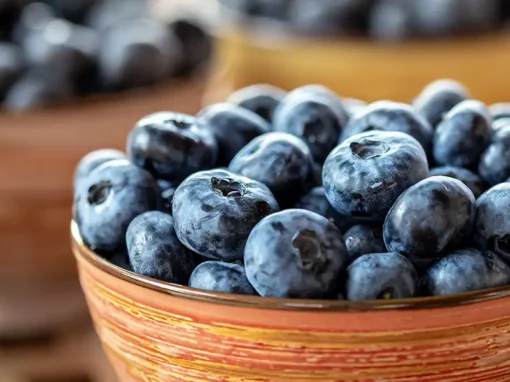
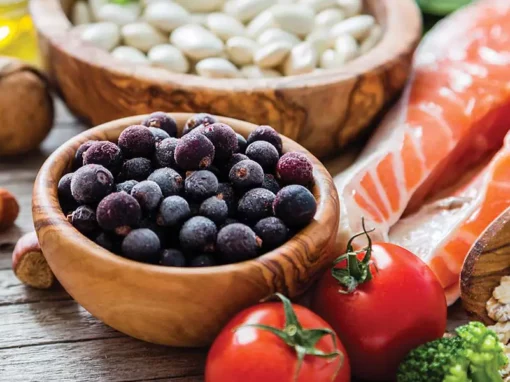
This is where fruit gets really interesting. Fruits contain natural plant compounds, often called phytonutrients, that help protect the plant, and can also support human health. These are often what give fruits their vibrant colors, like the deep blue in blueberries, the red in watermelon, or the orange in mango.
-
Lower Energy Density
Fruit tends to give you a lot of flavor, texture, and volume for relatively fewer calories than many packaged snack foods. That doesn’t mean calories are bad; it simply means fruit can be a very satisfying, nutrient-rich option.
-
Minimal Processing
A peach is still a peach. A bowl of strawberries is still strawberries. Fruit is one of those foods that often requires very little from us, which is part of what makes it so practical.
The Nutritional Advantages of Fruit, With More Specifics
Let’s get more specific… (Isn’t this the part you really want to hear about?)
Fruit can support digestion.
Many fruits contain fiber, especially when you eat the peel or the whole fruit rather than drinking it. Apples, pears, berries, oranges, and kiwi are all great examples. Fiber can help support regular digestion and can also make snacks and meals feel more satisfying.
Fruit can help support hydration.
Watermelon, strawberries, oranges, grapefruit, peaches, and cantaloupe all contain a lot of water, which makes them feel especially refreshing in hot weather. This is one reason summer fruit can feel so energizing and easy to eat.
Fruit can help support immune health.
Many fruits are known for vitamin C, especially citrus fruits, strawberries, kiwi, pineapple, and guava. Vitamin C helps support immune function and also plays a role in collagen production, which matters for skin, connective tissue, and healing.
Fruit can support heart health.
Fruits that contain potassium and fiber can be especially supportive here. Bananas, oranges, cantaloupe, apricots, and dried fruits like raisins or prunes can contribute potassium, while berries, apples, pears, and citrus can add fiber and antioxidants.
Fruit can help support recovery after activity.
This is a fun one, especially in summer. After a long walk, a tennis match, a swim, or a sweaty afternoon outside, fruit can be a great recovery food. It brings natural carbohydrates for energy, fluid in many cases, and vitamins and minerals your body can use. Pairing fruit with yogurt, cottage cheese, nuts, or another protein source can make it even more balanced.
Fruit can help you eat more color and variety.
One of the best ways to improve the quality of your diet is often to increase variety. Fruit makes that easier. Blueberries, blackberries, cherries, mango, kiwi, plums, oranges, watermelon, peaches, and pomegranate all bring different colors and different beneficial plant compounds.
Different Fruits and What Makes Them Stand Out
Not all fruits have the exact same nutrition profile, and that’s actually part of the beauty of fruit. Variety matters.
-
Berries
Blueberries, strawberries, raspberries, and blackberries are tiny nutrition powerhouses. They’re rich in antioxidants, and many are also good sources of fiber. Raspberries and blackberries are especially impressive in the fiber department. Berries are a wonderful choice for people who want something sweet that also feels light and nutrient-dense.
-
Apples
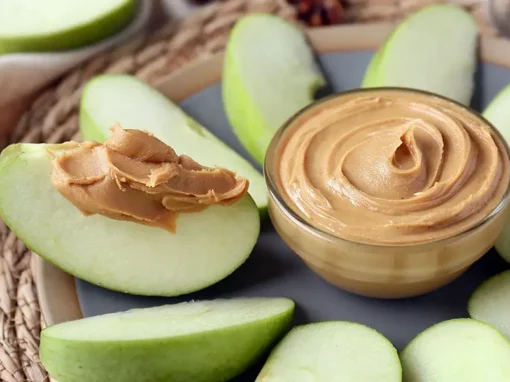
Apples are popular for a reason. They’re portable, crisp, and versatile. They also contain fiber, especially when eaten with the skin. Apples are a simple, steady option that works well for lunchboxes, snacks, road trips, and sliced with nut butter.
-
Citrus Fruits
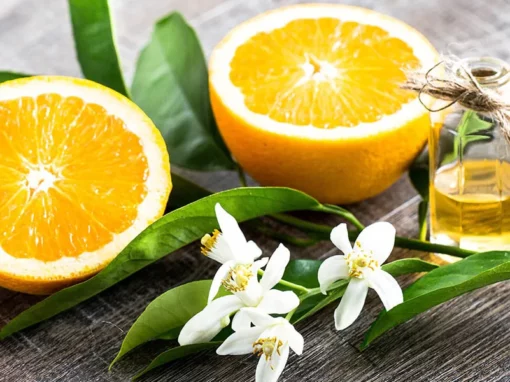
Oranges, mandarins, grapefruit, lemons, and limes are known for vitamin C, but many also bring folate, potassium, and refreshing hydration. Citrus is especially nice in summer when you want something bright, juicy, and cooling.
-
Bananas
Bananas are often appreciated for potassium, but they also provide vitamin B6 and easy-to-digest carbohydrates. They are excellent before or after activity, and they pair beautifully with protein-rich foods like yogurt or peanut butter toast.
-
Kiwis
Kiwi is one of those fruits that deserves more attention. It’s rich in vitamin C, and it also contains fiber. It’s a great example of a fruit that is small, but surprisingly nutrient-packed.
-
Watermelon
Watermelon is the poster child for summer. It’s incredibly hydrating and refreshing, and it also contains lycopene, a plant compound that gives red fruits and vegetables their color. It’s light, cooling, and practically designed for hot afternoons.
-
Peaches and Nectarines
These stone fruits are summer favorites for good reason. They’re juicy, flavorful, and contain vitamin C and other beneficial plant compounds. They also make healthy eating feel indulgent, which is a lovely combination.
-
Mangos
Mango is rich, tropical, and naturally sweet. It also contains vitamin C and vitamin A precursors. Mango can be a great way to make smoothies, yogurt bowls, or snacks feel a little more exciting.
-
Cherries
Cherries are delicious, yes, but they also contain antioxidants and plant compounds that make them more than just a sweet seasonal treat. Plus, they’re one of the most fun fruits to eat, which absolutely counts for something.
-
Pears
Pears are often underrated. They’re juicy, gentle, and one of the better fruit choices for fiber, especially with the skin on. They can be a great option for people who want something sweet that also feels very satisfying.
Why Whole Fruit Tends to Be Such a Strong Choice
When people get confused about fruit, it’s often because they’re comparing very different things.
- Whole fruit is not the same as fruit-flavored candy.
- It’s not the same as a sugary drink.
- It’s not the same as pastries “made with fruit filling.”
Whole fruit still has its natural structure. That matters. Chewing the fruit, getting the fiber, slowing down a little, and eating it in its whole form tends to create a very different experience for the body than drinking a sweet beverage or eating a highly processed snack. That’s why whole fruit usually gives you more nutritional value and more staying power.
Easy Ways to Make Fruit Even More Satisfying
Sometimes people say, “Fruit just doesn’t keep me full.” That can happen, depending on how you’re eating it. Fruit is wonderful on its own, but it can also become more satisfying when paired with protein, fat, or both.
A few easy examples:
- apple slices with almond butter
- berries with Greek yogurt
- banana with peanut butter
- peaches with cottage cheese
- frozen cherries with a handful of pistachios
- pineapple with plain yogurt and chia seeds
This doesn’t make fruit “better.” It just makes the snack more balanced and often more filling.
Two Easy Fruit Recipes for Summer
-
Peach Berry Protein Bowl
Ingredients
1 cup plain Greek yogurt
1 ripe peach, sliced
1/2 cup blueberries
1/2 cup raspberries
1 tablespoon chopped walnuts
1 teaspoon chia seeds
Optional: cinnamon and a drizzle of honey
How to Make It
Add yogurt to a bowl. Top with fruit, walnuts, chia seeds, and cinnamon. Add a small drizzle of honey if desired.
Why It Works
You get fruit, protein, healthy fats, and fiber in one simple bowl. It’s great for breakfast or a post-walk snack.
-
Watermelon Lime Recovery Cup
Ingredients
3 cups watermelon, cubed
Juice of 1 lime
Pinch of sea salt
Fresh mint, chopped
Optional: feta for extra flavor
How to Make It
Toss the watermelon with lime juice, mint, and a tiny pinch of sea salt. Add feta if you like the sweet-salty combination.
Why It Works
It’s hydrating, refreshing, and ideal after being outside in the heat.
Fruit and the Bigger Picture of Nutrition
Fruit is wonderful, but it doesn’t have to carry your entire diet on its own. It works best as part of a bigger pattern of nourishing meals and snacks.
And this is where many people need support. Not because fruit is confusing, but because life is.
People are busy. Family preferences differ. Hunger cues get ignored. Meals get skipped. Nutrition advice online becomes overwhelming fast. Sometimes people swing between trying to eat perfectly and then giving up altogether.
That’s where a nutrition coach can be so helpful.
At Thrive, a nutrition coach can help you understand not just that fruit is healthy, but how to work it into a way of eating that supports your goals. Maybe that means improving digestion, building more balanced snacks, finding better pre- and post-workout fuel, supporting energy, or simply helping healthy eating feel less complicated.
If you’re ready to build a more balanced, realistic, and nourishing way of eating, schedule a session with the nutrition coach at Thrive. Sometimes the healthiest changes really do start with something sweet, simple, and in season.