

Summer is supposed to feel freeing. More walks. Pool days. Bike rides. Gardening. Road trips. More time outside doing the things that make life feel lighter.
But neck pain has a sneaky way of following people into every season. It shows up after long hours at a laptop, after scrolling on the couch, and after sleeping in a weird position. It also shows up after a stressful week, after a long drive, or after deciding it was somehow a good idea to spend four hours pulling weeds or painting the patio in one afternoon. Neck pain is common, and the usual causes range from muscle strain and overuse to poor positioning, whiplash, pinched nerves, arthritis, and disc problems.
And if you have ever found yourself typing your symptoms into Google, you are definitely not alone. Online, the questions tend to sound like this: “Why does my neck hurt?” “Why does my neck hurt when I wake up?” “Neck pain on one side.” “How do I get rid of neck pain fast?” and “When should I worry about neck pain?” In one roundup, “why does my neck hurt?” appeared among the most popular medical questions Americans were searching.
So, let’s talk about what’s usually going on, what matters most, and where chiropractic care may fit in.
First, the Good News: A Lot of Neck Pain is Mechanical
When clinicians talk about mechanical neck pain, they usually mean pain that’s related to joints, muscles, connective tissue, movement patterns, posture, strain, or irritation of nearby structures, rather than a dangerous underlying disease. This is the kind of neck pain many chiropractors help manage, often with or without related arm symptoms, and it’s one of the most common reasons people seek musculoskeletal care.
That matters, because mechanical neck pain often responds best to the basics done well. That means the right movement, the right hands-on care, the right advice, and the right plan to calm things down without making you feel fragile.
The Most Common Neck Pain Causes
-
Muscle Strain and “Too Much of the Same Position”
This is the big one. A huge amount of neck pain comes from muscle strain, tension, and overuse. Sitting at a computer for too long, looking down at a phone, hunching over a workbench, sleeping awkwardly, or staying in one position for hours can all irritate the neck. Both MedlinePlus and Mayo Clinic point to overuse, awkward sleep position, desk posture, and prolonged device use as common culprits. Mayo also notes that “tech neck” is a real modern pattern tied to slumped shoulders and looking down at screens.
One helpful mindset shift here is this: It’s usually less about finding a “perfect” posture and more about not getting stuck in one posture for too long. Our bodies are designed to move, and that changing position regularly can matter more than trying to hold one ideal pose all day.
-
Stress and Tension
People often think of neck pain as purely physical, but the nervous system has a lot to say about it.
Stress can tighten the muscles around the neck and shoulders, increase pain sensitivity, and make small problems feel bigger. Mayo Clinic’s symptom resources include stress as a factor that can trigger or worsen neck pain, and Cleveland Clinic lists mental stress among common causes. That’s one reason neck pain tends to flare during busy, emotionally loaded seasons, even if you haven’t “injured” anything dramatic.
This is also why our summer theme, Nature as Medicine – Movement, Mindfulness & Connection, fits neck pain recovery so beautifully. Time outside, lighter movement, grounding, play, and moments of actual mental exhale can help calm the whole system, not just the sore spot.
-
Waking Up With a Stiff Neck
This one is almost comically common. If you’ve ever woken up and thought, “What did I do to my neck?” you’re in good company. Awkward sleep position is a standard, well-recognized cause of neck pain, and too many or too few pillows can contribute, too.
Sometimes that morning stiffness is just a short-lived muscle spasm. Sometimes it’s a clue that your neck has been getting overloaded during the day as well, and sleep was simply the final straw.
-
Pinched Nerves, Disc Irritation, and Age-Related Wear and Tear
Not all neck pain is just “a kink.” Sometimes the source is deeper, especially when symptoms travel. Herniated discs, cervical arthritis or spondylosis, spinal stenosis, and pinched nerves are all recognized causes of neck pain. These issues may bring added symptoms such as pain that shoots into the shoulder or down the arm, numbness, tingling, or weakness.
That doesn’t automatically mean something scary is happening, but it does mean the pain deserves a careful, individualized assessment instead of random stretches and wishful thinking.
-
Whiplash and Other Injuries
Falls, sports mishaps, sudden twists, and car accidents can all irritate the neck. Whiplash is one of the classic examples. Neck pain after trauma should be taken seriously, especially if symptoms are severe, getting worse, or coming with neurologic changes.
So, How Could Chiropractic Care Help?
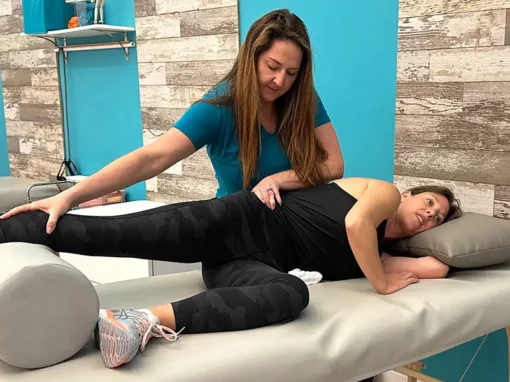
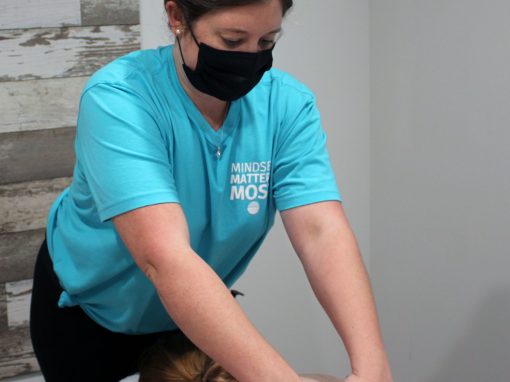
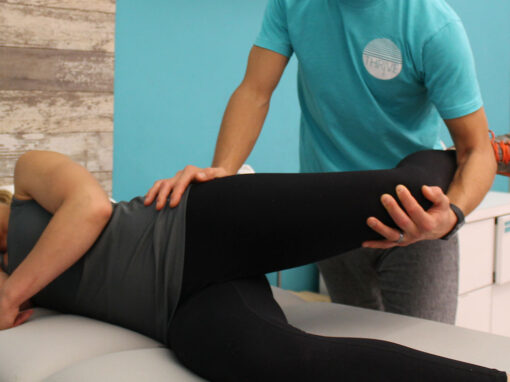
Chiropractic care is often used for uncomplicated mechanical neck pain, especially when the problem seems related to stiffness, restricted motion, posture and movement habits, muscle tension, cervicogenic headache patterns, or joint irritation. Cleveland Clinic notes that mechanical neck pain is one of the conditions commonly managed by chiropractors.
Spinal manipulation can be helpful for acute neck pain, and manipulation or mobilization can be helpful for chronic neck pain in some cases. That said, recommendations also include hands-on care with exercise, range-of-motion work, strengthening, endurance work, and support for staying active. Essentially, the best chiropractic care is rarely just “an adjustment and goodbye.” The evidence-based direction is more comprehensive with hands-on care plus the right movement plan, plus practical advice, plus reassessment over time.
A frequently cited randomized trial in Annals of Internal Medicine found that for acute and subacute neck pain, spinal manipulation was more effective than medication in both the short and long term, and home exercise with advice performed similarly to spinal manipulation. They both outperforming medication overall. That’s a strong reminder that neck pain often responds well to conservative, non-drug care that includes movement and guidance.
A Few Surprisingly Helpful Summer Tips For Neck Pain
One of the most helpful things you can do is stop treating your neck like it’s made of glass. For many common neck-pain patterns, staying gently active is better than full shutdown.
Another good tip: Go outside for your movement breaks. A five-minute walk between work blocks, some light shoulder rolls on the porch, or a few easy stretches in the yard can help interrupt the “frozen at my desk” pattern, while also giving you the mood and mental health benefits that come with time in nature.
And here’s a simple summer truth: Play counts. Tossing a ball, swimming, easy paddleboarding, shooting hoops with your kids, or walking barefoot on the lawn for a few grounding minutes all count. They all support circulation, reduce stress, and remind your body that movement is allowed to feel good.
When Neck Pain Should Not Be Brushed Off
Most neck pain isn’t dangerous, but some situations do need prompt medical attention.
Mayo Clinic advises getting medical care for neck pain that comes with numbness or loss of strength in the arms or hands, or pain that shoots down an arm. Other red flags include:
- significant trauma
- worsening balance or coordination
- trouble walking
- bowel or bladder changes
- fever, or symptoms that are severe and not settling
That’s one more reason a professional evaluation matters. Good care isn’t just about treatment. It’s also about recognizing when something needs a different path.
Ready to Get on a Healing Path?
If neck pain has been nagging you, limiting you, or quietly taking the fun out of your summer, it may be time to stop guessing and get support.
Chiropractic care could be a helpful next step, especially if your pain seems mechanical, movement-related, stress-related, or tied to stiffness and postural habits. At Thrive, we can help you make sense of what’s going on, support your body with thoughtful chiropractic care, and create a plan that helps you move forward with more confidence.
Schedule a chiropractic session at Thrive today, and let this be the summer you move more freely, breathe a little easier, and get back to the outdoor life your body has been missing.