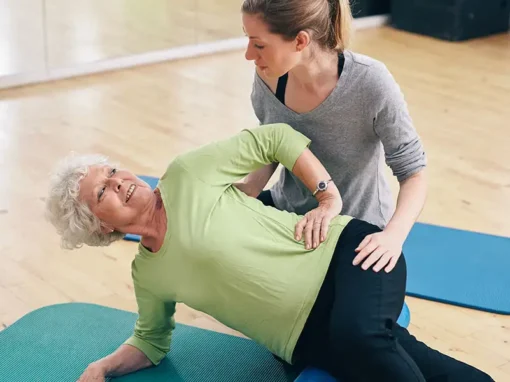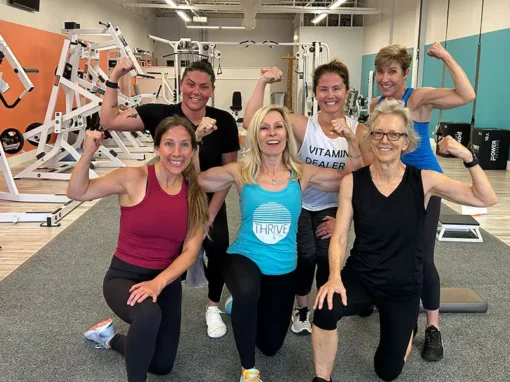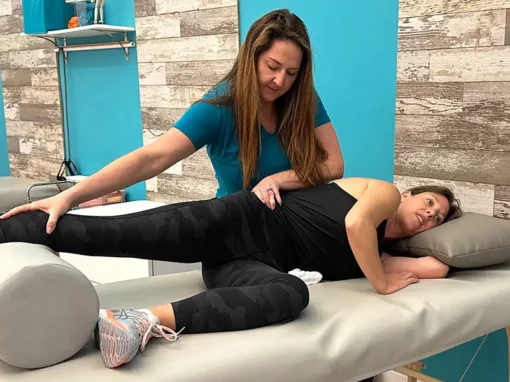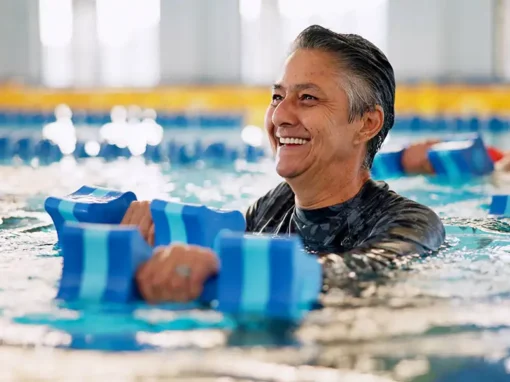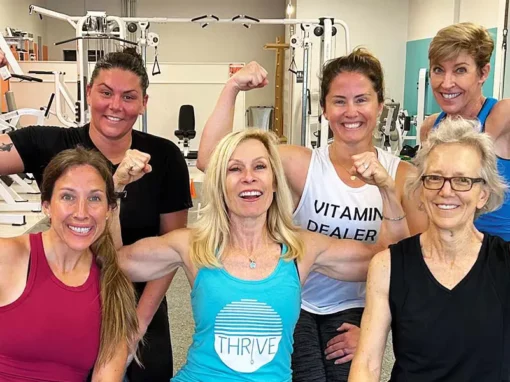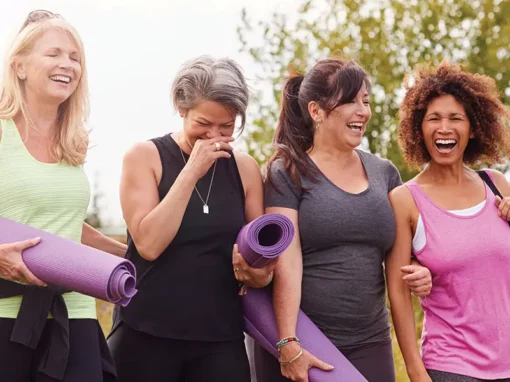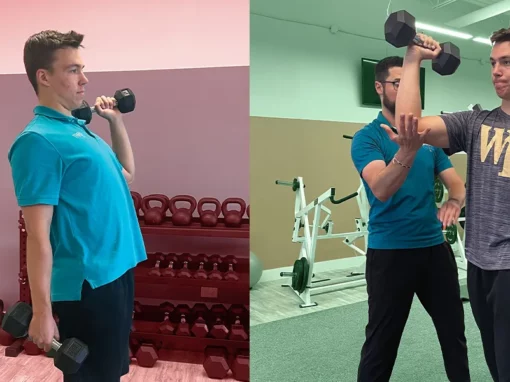


Fitness does not have a single look, a single pace, or a single definition. For one woman, it may mean a quiet walk at sunrise before the house wakes up. For another, it may mean lifting heavier weights than she ever thought possible. For someone else, it may mean training for a marathon that once felt far beyond reach.
Every level of movement matters. Every step forward counts.
Whether you’re a busy mom trying to squeeze in a little time for yourself, someone rediscovering exercise after years away, or an athlete chasing a new goal, there’s a place for you in the world of fitness. The key is finding a program that meets you where you are, honors your current season of life, and helps you grow stronger over time.
At Thrive, we believe fitness should support your whole life, not compete with it. Our approach is rooted in Thrivestyle Medicine™, which recognizes that movement, strength, recovery, and health are deeply connected. That is why we offer complete fitness and performance training designed for every intensity level, from gentle re-entry into exercise to advanced athletic performance.
Because no matter where you start, your body is capable of more than you think.
Why Fitness Matters at Every Stage of Life
Exercise is often associated with weight loss, but its benefits reach far beyond the number on a scale. Movement influences nearly every system in the body.
Regular fitness training supports:
- Heart health and circulation
- Muscle strength and bone density
- Hormone balance and metabolic health
- Better sleep and energy levels
- Stress relief and mental clarity
- Longevity and disease prevention
For women especially, strength and movement become even more important as we move through life stages such as pregnancy, postpartum recovery, perimenopause, and menopause.
Movement helps stabilize hormones, preserve muscle mass, support bone health, and protect the cardiovascular system.
But perhaps just as important, movement reconnects you to your body in a positive way. It reminds you that your body is not just something to manage or critique. It is something to experience, appreciate, and strengthen.
Level One: Starting Strong (Even If It’s Been Years)
If you have been away from exercise for a while, you are not alone. Life gets busy. Kids grow, careers expand, schedules fill, and personal fitness often slides quietly down the priority list.
The good news is that it’s never too late to begin again.
Starting a fitness routine does not require extreme workouts or long hours at the gym. In fact, consistency matters far more than intensity in the beginning.
Gentle Ways to Get Started
Walking
Walking is one of the most accessible and beneficial forms of movement. A daily 20 to 30 minute walk can improve cardiovascular health, reduce stress, and support metabolism.
Bodyweight Strength Exercises
Simple movements like squats, wall push-ups, and step-ups help wake up muscles that may have been underused.
Mobility and Stretching
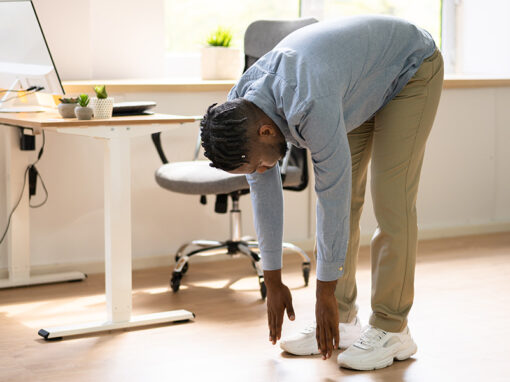
Gentle mobility exercises improve joint function and reduce stiffness, especially for those who sit frequently.
Short Sessions
Ten to fifteen minutes of movement still counts. In fact, short sessions often help build the consistency needed for long-term habits.
Encouragement for Beginners
The most important step is simply beginning. You do not have to feel ready. You only have to be willing.
Progress starts quietly, but it grows with every session.
Level Two: Building Strength and Endurance
Once you have established a routine, your body will begin adapting. Muscles become stronger, breathing becomes easier during activity, and energy levels improve.
This is an excellent time to expand your training.
Strength Training
Strength training is one of the most powerful tools for long-term health.
Benefits include:
- improved metabolism
- stronger bones
- better posture and balance
- reduced injury risk
- improved body composition
A balanced routine might include:
- upper body exercises (rows, presses)
- lower body exercises (squats, lunges)
- core stability work
- functional movement patterns
Two to three strength sessions per week can create noticeable improvements in strength and confidence.
Cardiovascular Training
Cardio helps strengthen the heart and lungs while improving endurance.
Great options include:
- brisk walking or hiking
- cycling
- swimming
- rowing
- interval training
Combining strength and cardiovascular training creates a well-rounded program that supports both performance and overall health.
Level Three: Performance Goals and Athletic Training
For some people, fitness becomes more than a health habit. It becomes a personal challenge, a passion, or a competitive goal.
This is where structured performance training can make a tremendous difference.
Many people move into this phase after discovering that their bodies are stronger than they expected. What once felt intimidating becomes exciting.
Goals might include:
- running a half marathon or marathon
- improving athletic performance
- increasing strength or lifting capacity
- preparing for endurance races
- enhancing agility and speed
Smart Training Matters
As intensity increases, smart programming becomes essential.
Training plans should include:
- progressive workload increases
- proper recovery days
- mobility and injury prevention work
- balanced strength and endurance training
- fueling strategies that support performance
Without proper guidance, athletes sometimes push too hard too quickly. Structured training ensures steady progress while protecting long-term health.
Finding Movement in Busy Seasons
Motherhood often shifts priorities dramatically. Between school schedules, activities, meals, and responsibilities, finding time for exercise can feel nearly impossible.
But caring for your health isn’t selfish. It’s foundational.
When moms move their bodies regularly, they often experience:
- more stable energy throughout the day
- improved mood and patience
- reduced stress and anxiety
- better sleep quality
- stronger physical resilience
Practical Tips for Busy Moms
Schedule workouts like appointments.
If it is not on the calendar, it often gets pushed aside.
Choose shorter sessions when needed.
A focused 20-minute workout can still be powerful.
Involve the family.
Bike rides, walks, or park workouts can include the kids.
Focus on consistency rather than perfection.
Three small workouts each week are more effective than waiting for the “perfect” time.
Fitness should support your life, not add more pressure.
Recovery: The Secret Ingredient of Strong Training
Many people think progress only happens during workouts. In reality, the body improves during recovery.
Recovery allows muscles to rebuild, hormones to stabilize, and the nervous system to reset.
Important recovery habits include:
Quality Sleep
Sleep is when much of the body’s repair processes occur.
Hydration
Adequate hydration supports circulation, energy, and muscle recovery.
Nutrition
Balanced meals with protein, healthy fats, and fiber support muscle repair and metabolic health.
Rest Days
Rest days prevent burnout and reduce injury risk.
Listening to your body is one of the most important skills in fitness.
Finding the Right Support
While many people start fitness journeys on their own, having professional guidance can make a tremendous difference.
Personalized programs help ensure:
- proper exercise technique
- safe progression
- balanced training routines
- injury prevention
- accountability and encouragement
At Thrive, our team understands that fitness is deeply personal. Every person has a different starting point, different goals, and different life demands.
That’s why we offer complete fitness and performance training programs that can meet you exactly where you are.
Whether you’re beginning your first consistent exercise routine, returning to fitness after years away, or training for a marathon, our team helps design programs that build strength, endurance, and long-term health.
So if you’re ready to move toward the healthiest, strongest version of yourself, reach out to learn more about our fitness training services and how Thrivestyle Medicine™ can support your long-term wellness goals.
From moms to marathons, every level of movement matters.
And the best time to begin is now.