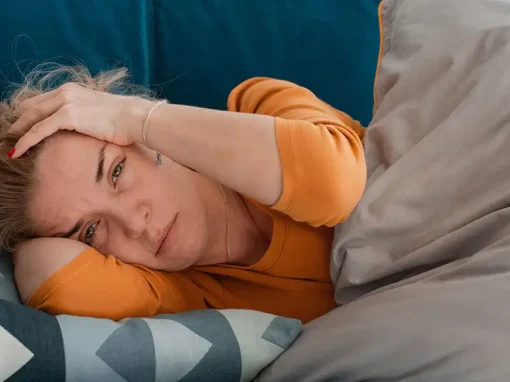


The holidays are supposed to be the most wonderful time of the year. But between shopping, decorating, family gatherings, travel plans, year-end deadlines, and the pressure to make everything perfect, December can sometimes feel more exhausting than joyful.
And for many people, all that extra stress comes with an unwelcome companion: headaches.
Maybe you’ve noticed a dull ache creeping across your forehead after a long day. Perhaps your neck and shoulders feel unusually tight, or you’re experiencing more frequent headaches just when your holiday schedule is at its busiest. Sound familiar?
At Thrive, we believe the holiday season should be about connection, celebration, and finding joy in the things that matter most, not simply pushing through discomfort until January arrives.
Finding balance during the holidays means recognizing when your body needs support and making your well-being a priority. Acupuncture may be one valuable part of that process, especially for people experiencing recurring tension-type headaches or migraines.
Why Holiday Stress Can Leave Your Head Hurting
Stress is a normal part of life. In manageable amounts, it helps us respond to challenges and stay focused. But when our schedules become overloaded and opportunities to recharge grow scarce, stress can begin affecting how we feel physically.
During the holidays, several common factors may contribute to headaches:
- Mental and emotional overload. Managing expectations, juggling commitments, and worrying about finances or family dynamics can increase stress and contribute to headache symptoms.
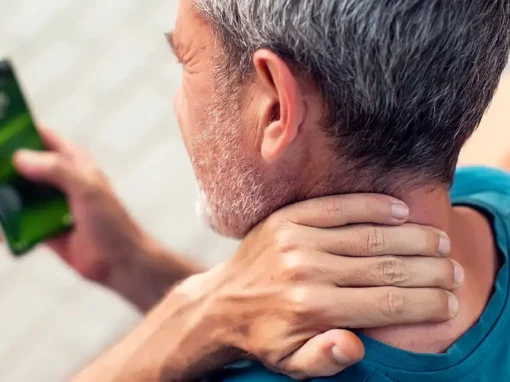
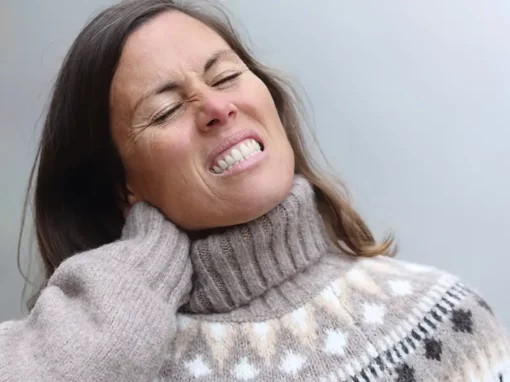
- Muscle tension. Long hours at a computer, holiday travel, carrying shopping bags, and stressful days may leave your neck, shoulders, and jaw feeling tight or uncomfortable.
- Disrupted sleep. Late-night celebrations, travel, and packed schedules can interfere with consistent sleep patterns.
- Changes in eating and hydration habits. Skipping meals, forgetting to drink water, or changing your usual caffeine intake may contribute to headaches in susceptible individuals.
- Less time for movement. When exercise and everyday activity take a back seat to holiday responsibilities, stiffness and discomfort may become more noticeable.
These factors can overlap, making it difficult to identify exactly what’s contributing to your symptoms.
Stress is also one of the most commonly reported triggers for tension-type headaches and migraines. Interestingly, some people with migraines experience an attack when stress levels suddenly decrease, such as at the beginning of a vacation or after a particularly demanding week.
That’s why creating balance isn’t just about relaxing once everything is finished. It’s about building moments of restoration into your everyday routine, even when life is busy.
Is It a Tension Headache or a Migraine?
Not all headaches are the same, and understanding the difference can help you find the right approach to managing them.
Tension-Type Headaches: That Familiar Feeling of Pressure
Tension-type headaches are among the most common headache disorders. They’re often described as a dull, aching pressure or the sensation of a tight band wrapping around the head.
You might notice:
- Pressure across your forehead or around the sides of your head
- Tenderness in your scalp, neck, or shoulders
- Mild to moderate pain that makes concentration difficult
- Headaches that seem more frequent during stressful periods
Although muscle tenderness often accompanies these headaches, their underlying mechanisms are more complex than tight muscles alone. Changes in pain sensitivity may also play an important role.
Migraines: More Than Just a Bad Headache
Migraine is a neurological condition that can produce moderate to severe head pain, sometimes accompanied by nausea, sensitivity to light or sound, and visual disturbances. Stress, disrupted sleep, skipped meals, and changes in routine may trigger attacks in people who are susceptible.
If you’re experiencing frequent or changing headache symptoms, an evaluation from a qualified healthcare professional is important. Understanding what type of headache you’re experiencing is the first step toward choosing appropriate care.
How Acupuncture May Help with Headaches
Acupuncture has been practiced for thousands of years as part of traditional Chinese medicine and is increasingly included in modern approaches to pain management and wellness.
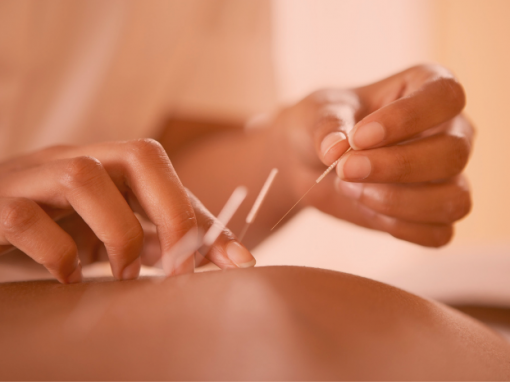
The treatment involves placing extremely thin needles at carefully selected points on the body. In traditional Chinese medicine, acupuncture is intended to encourage balance within the body’s interconnected systems.
From a modern scientific perspective, researchers have explored how acupuncture may influence pain-processing pathways and the nervous system. Although the precise mechanisms aren’t fully understood, research suggests that acupuncture can offer meaningful benefits for certain headache conditions.
-
Helping Reduce Headache Frequency
For people who experience recurring tension-type headaches, acupuncture may help reduce how often headaches occur. A Cochrane systematic review of clinical trials found that a course of acupuncture could be a valuable preventive treatment for frequent tension-type headaches.
Research also suggests acupuncture may be helpful in preventing migraine attacks. The benefits have generally been greater when compared with usual care alone, while differences between genuine and sham acupuncture have been smaller.
This distinction matters because acupuncture isn’t a guaranteed cure, and not everyone experiences the same results. However, for someone whose headaches are interfering with daily activities, reducing their frequency could make a meaningful difference in comfort and quality of life.
-
Supporting a More Comfortable Body
Holiday stress often comes with physical discomfort. Perhaps you’re holding tension in your shoulders after a demanding workday or noticing neck stiffness after hours of shopping and driving.
While acupuncture doesn’t eliminate every source of muscle tension, some people find that treatment helps with discomfort associated with chronic pain conditions. If your headaches occur alongside neck or shoulder pain, your provider can help determine whether acupuncture might be appropriate and whether additional approaches, such as physical therapy, exercise, or ergonomic adjustments, could also help.
The goal is to address the bigger picture rather than treating the headache as an isolated problem.
-
Making Space for Relaxation
One of the most appealing aspects of acupuncture during a hectic season is the opportunity to step away from the constant demands of daily life.
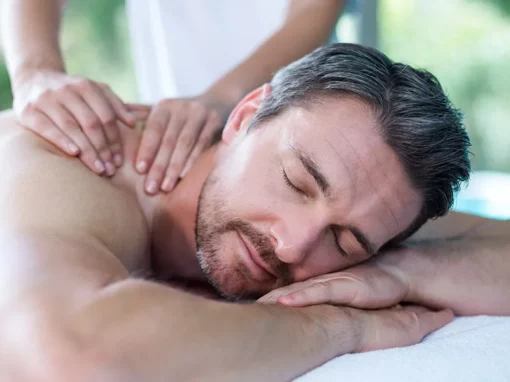
An acupuncture session takes place in a quiet setting, where you’re encouraged to become comfortable and remain still while the treatment is performed. Some people describe feeling deeply relaxed afterward.
Although research on acupuncture’s direct effects on stress and anxiety is less conclusive than the evidence for certain pain conditions, the experience may be a welcome part of an intentional self-care routine. And during a season when we’re constantly giving our time and energy to others, setting aside time for ourselves can be valuable.
-
Complementing Your Existing Wellness Routine
Acupuncture works best when viewed as one possible component of a comprehensive approach to health. It doesn’t replace sleep, proper nutrition, regular movement, stress management, or medical care when needed. Instead, acupuncture may complement these strategies by helping manage headache symptoms and certain types of pain that make everyday activities more challenging.
At Thrive, we encourage a proactive approach that considers the many interconnected factors influencing how you feel and function.
True wellness isn’t about relying on one treatment to solve everything. It’s about creating habits and choosing supportive therapies that work together to help you feel your best.
Finding Balance: Five Simple Ways to Help Prevent Holiday Headaches
You don’t have to cancel your holiday plans or completely overhaul your routine to begin caring for yourself. Small, consistent adjustments can make a meaningful difference, especially during a busy season.
-
Protect Your Sleep Schedule
December evenings can quickly fill with celebrations, shopping, and last-minute preparations. While an occasional late night may be unavoidable, try to maintain reasonably consistent sleep and wake times. Make your bedroom comfortable and allow yourself time to wind down before bed.
Sleep disruptions can be particularly problematic for people with migraines, making consistency an important preventive strategy.
A little holiday balance: Give yourself permission to leave an event early or save a task for tomorrow when your body needs rest.
-
Keep Eating and Drinking Regularly
It’s surprisingly easy to forget about lunch when you’re rushing between errands or preparing for a big gathering. But missed meals and inadequate hydration can contribute to headaches for some people. Keep a water bottle nearby, plan regular meals, and carry a simple snack when you know you’ll be away from home for several hours.
You can enjoy your favorite seasonal foods while still giving your body the everyday nourishment it needs.
A little holiday balance: Don’t let your busy schedule push your basic needs to the bottom of your priority list.
-
Move Your Body and Release Everyday Tension
When stress builds, movement is often one of the first things we sacrifice. Yet regular physical activity can support mood, sleep, and overall health, all of which may influence headache management.
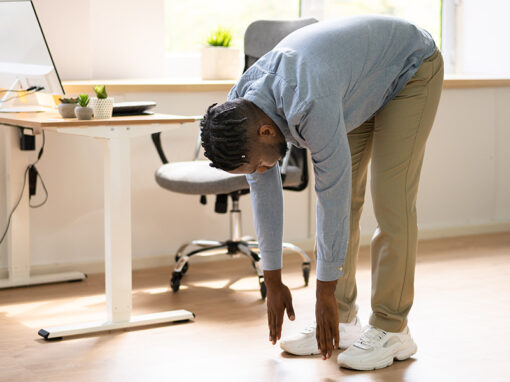
You don’t need an intense workout to benefit. A comfortable walk, a few gentle neck and shoulder movements, or a short break from your computer can help interrupt long periods of inactivity. If you spend hours driving, wrapping gifts, or working at a desk, pay attention to how your body feels and change positions regularly.
A little holiday balance: Think of movement as a way to care for yourself, not another obligation on your already crowded calendar.
-
Create Small Moments of Calm
You don’t need an entire afternoon at a spa to practice relaxation. Sometimes a few intentional minutes can help you feel more grounded.
Try this simple breathing exercise:
- Sit comfortably with your shoulders relaxed. Breathe slowly through your nose, allowing your abdomen to expand naturally. Exhale gently and without forcing the breath.
- Continue for two to five minutes, bringing your attention back to your breathing whenever your mind wanders.
- You might also enjoy listening to calming music, spending time outdoors, journaling, or simply sitting quietly with a warm cup of tea.
A little holiday balance: Instead of waiting until you feel completely overwhelmed, schedule brief opportunities to recharge throughout your day.
-
Give Yourself Permission to Do Less
This may be one of the most important wellness strategies of the season. We often place enormous pressure on ourselves to attend every gathering, find the perfect gifts, prepare elaborate meals, and create memorable experiences for everyone around us. But trying to do everything can leave little energy for actually enjoying the holidays.
Choose the traditions that matter most, share responsibilities when possible, and remember that saying no to one commitment may allow you to say yes to something more meaningful.
A little holiday balance: Your well-being deserves a place on your holiday to-do list, too.
When Headaches Need More Than Stress Management
Although holiday stress may contribute to headaches, it shouldn’t automatically be assumed to be the cause. If you’re experiencing frequent headaches, symptoms that are worsening, or a significant change in your usual headache pattern, talk with a healthcare professional.
A sudden, extremely severe headache or one accompanied by new weakness, confusion, difficulty speaking, vision changes, or other unusual neurological symptoms requires emergency evaluation.
Acupuncture can be a complementary treatment for certain headache conditions, but it should never delay necessary medical assessment or replace prescribed treatment without guidance from your healthcare provider.
Understanding the reason for your headaches helps ensure that you’re choosing the safest, most appropriate approach.
This Holiday Season, Give Yourself the Gift of Balance
The holidays are filled with opportunities to give, celebrate, connect, and create lasting memories. But in the midst of doing so much for everyone else, it’s important to remember that your health and well-being matter, too.
Finding balance doesn’t mean eliminating stress entirely or creating a perfectly peaceful December. It means recognizing what your body needs, making thoughtful choices, and giving yourself permission to slow down when necessary. If recurring headaches or physical discomfort are making it harder to enjoy the season, acupuncture may offer another way to support your wellness goals. Combined with nourishing meals, consistent sleep, regular movement, and intentional moments of calm, it can be part of a proactive approach to feeling and functioning better.
At Thrive, we’re here to help you explore personalized strategies that support your comfort, resilience, and long-term well-being.
Because the best gift you can give yourself this holiday season may be the opportunity to feel better, find your balance, and truly enjoy the moments that matter most.
Ready to Find Your Balance?
If tension-type headaches, migraines, or recurring discomfort are interfering with your daily life, our team would be happy to help you explore whether acupuncture could be a beneficial addition to your wellness routine. Learn more about acupuncture at Thrive and schedule your session today.
Here’s to a holiday season filled with greater comfort, meaningful connections, and a healthier, more balanced you!