

Migraine headaches can be incredibly frustrating, especially when they interrupt your work, family time, workouts, sleep, and ability to simply enjoy the day. If you live with migraines, you already know they aren’t “just headaches.” They can affect your energy, mood, focus, vision, appetite, and overall quality of life.
Many people manage migraines with medication, rest, hydration, and trigger awareness. For others, chiropractic care may be a helpful part of a broader wellness plan, especially when neck tension, posture, joint restriction, stress, or muscle tightness seem to play a role.
At Thrive, our goal is to help you understand what may be contributing to your discomfort and create a personalized plan that supports your body as a whole. Chiropractic care doesn’t “cure” migraines, but it may help some people reduce migraine-related tension, improve spinal mobility, support better posture, and feel more in control of their symptoms.
Understanding Migraine Headaches
A migraine is a neurological condition that can cause moderate to severe head pain, often with nausea, vomiting, sensitivity to light, sensitivity to sound, sensitivity to smells, fatigue, mood changes, and visual symptoms. Some people experience aura, which may include flashing lights, zigzags, spots, tingling, or temporary speech changes. Migraine attacks may last for hours or days, and some people feel drained or foggy afterward. The National Institute of Neurological Disorders and Stroke notes that there is currently no cure for migraine, but treatments can help manage symptoms.
Because migraines can have many triggers, successful management often requires more than one strategy. Weather changes, irregular sleep, stress, skipped meals, bright lights, strong smells, alcohol, hormonal changes, head trauma, and physical stress can all contribute for some people. This is one reason a whole-body approach can be so valuable.
How Chiropractic Care May Support Migraine Management
Chiropractic care focuses on the relationship between the spine, joints, muscles, posture, movement, and nervous system function. For migraine sufferers, the focus is often on the neck, upper back, shoulders, jaw, and posture because tension and restricted motion in these areas can add stress to the body.
While it doesn’t “cure” migraines, for many people, chiropractic care is most useful when it is part of a bigger plan that may include medical care, lifestyle changes, stress management, nutrition, sleep support, movement, and trigger tracking.
Spinal Adjustments and Neck Mobility
Many migraine sufferers notice neck stiffness before, during, or after an attack. Sometimes the neck feels tight because a migraine is developing. Other times, poor posture, joint restriction, muscle tension, or old injuries may add to the overall discomfort.
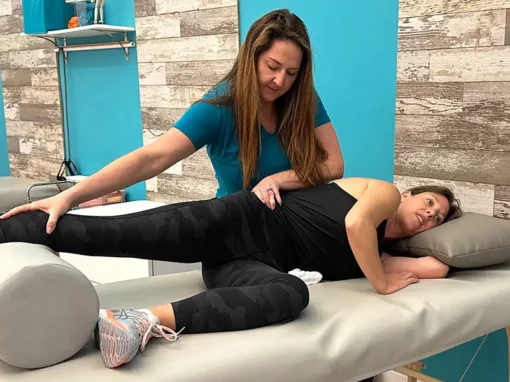
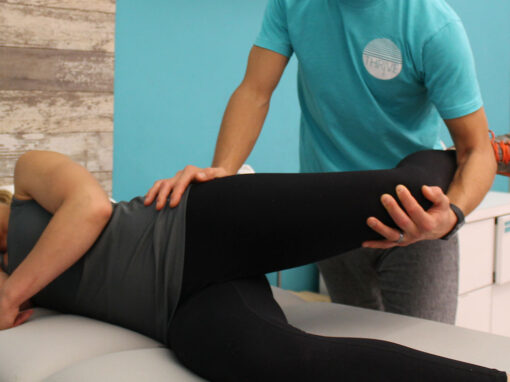
Chiropractors use gentle spinal adjustments and mobilization techniques to help improve joint movement and reduce mechanical stress. When the neck and upper back move more comfortably, the surrounding muscles may not have to work as hard to protect restricted areas.
This can be especially helpful for people who spend long hours at a desk, drive frequently, look down at phones, clench their jaw, sleep in awkward positions, or carry tension in the shoulders. Even small postural habits can create repeated stress through the neck and upper back.
The goal is not simply to “crack the neck.” The goal is to understand how your body is moving, where tension is building, and how to help the spine and surrounding muscles work together more comfortably.
Muscle Tension and Trigger Point Release
Tight muscles in the neck, shoulders, and upper back can contribute to headache discomfort. Trigger points, which are tender, irritated spots in muscle tissue, may refer pain into the head, temples, jaw, or behind the eyes. When these areas are addressed, some people experience less tension and improved comfort.
A chiropractor may include soft tissue therapy, massage-style techniques, stretching, myofascial release, gentle mobility work, or corrective exercises. These therapies can be especially helpful when migraines seem connected to tight traps, forward head posture, jaw tension, or upper back stiffness.
Muscle work also helps people become more aware of their own tension patterns. You may discover that your shoulders rise toward your ears when you are stressed, that your jaw clenches while you work, or that your neck tightens after certain workouts. Awareness is powerful because it gives you a chance to interrupt the pattern earlier.
Posture Correction and Ergonomic Support
Posture matters, not because there is one “perfect” posture everyone must hold all day, but because your body needs variety, support, and balance. A slumped upper back, forward head posture, rounded shoulders, or poorly positioned workstation can strain the neck and upper back. Over time, that strain may contribute to muscle tension and discomfort.
A chiropractor can assess your posture, spinal mobility, workstation setup, sleeping position, and movement habits. From there, care may include exercises to strengthen postural muscles, stretches to reduce tightness, and practical ergonomic changes.
For example, you may benefit from raising your computer screen, adjusting your chair height, supporting your low back, changing your pillow, taking movement breaks, or learning how to stack your head more comfortably over your shoulders.
These changes may seem small, but they can make a meaningful difference when repeated every day.
Lifestyle Guidance for Migraine Triggers
Because migraines can be influenced by daily rhythms, lifestyle support is often an important part of care. The American Migraine Foundation describes the SEEDS approach to migraine management, which focuses on Sleep, Exercise, Eat, Diary, and Stress. The goal is not perfection. The goal is consistency, awareness, and helping reduce environmental triggers where possible.
Sleep is a major piece. Irregular sleep, too little sleep, or disrupted sleep can make migraines more likely for some people. Eating consistently can also matter because skipped meals and low blood sugar may trigger attacks. Gentle exercise may support stress reduction and overall health, although some people need guidance because intense exercise can trigger symptoms.
A migraine diary can also be extremely helpful. Tracking sleep, hydration, meals, stress, weather, menstrual cycles, screen time, exercise, foods, symptoms, and medication use may reveal patterns that are easy to miss day to day.
Nutrition and Hydration Support
Food triggers vary widely. Some people are sensitive to alcohol, caffeine changes, aged cheeses, processed meats, artificial sweeteners, or certain additives. Others have no obvious food triggers at all. Rather than following an overly restrictive diet, many people do better with steady meals, enough protein, balanced blood sugar, good hydration, and careful tracking.
At Thrive, we believe wellness should feel supportive, not overwhelming. Nutritional guidance may include simple strategies such as eating at consistent times, avoiding skipped meals, reducing dehydration, supporting magnesium-rich foods when appropriate, and noticing how caffeine affects your symptoms.
Because each person is different, the best migraine nutrition plan is individualized.
Stress, Breathing, and Nervous System Support
Stress does not mean migraines are “all in your head.” Migraine is a real neurological condition. However, stress can influence the nervous system, muscle tension, sleep, breathing patterns, hormones, and daily habits, all of which may affect migraine frequency or severity.
Chiropractic care may be paired with breathing exercises, relaxation strategies, gentle movement, massage, acupuncture, physical therapy, or other supportive services. This kind of whole-person care fits beautifully with Thrivestyle Medicine™, our approach to helping people build healthier patterns across movement, recovery, stress, nutrition, and lifestyle.
Sometimes the most powerful changes are the most practical ones: breathing more fully, taking screen breaks, relaxing the jaw, moving throughout the day, drinking enough water, eating before you are depleted, and sleeping on a more consistent schedule.
When to Seek Medical Care for Headaches
Chiropractic care can be supportive, but some headaches require prompt medical attention. Seek emergency care for a sudden, severe “worst headache,” a thunderclap headache, headache with weakness, numbness, confusion, seizures, double vision, trouble speaking, stiff neck, fever, rash, or headache after a head injury. Mayo Clinic also recommends seeing a doctor when headaches become more frequent, more severe, interfere with normal activities, or don’t improve with appropriate care.
If your migraines are new, changing, worsening, or affecting your daily life, it’s wise to speak with a qualified healthcare provider. A collaborative plan may include your primary care provider, neurologist, chiropractor, physical therapist, massage therapist, acupuncturist, or nutrition professional.
A Whole-Body Approach to Migraine Relief
Migraines can be complex, but you don’t have to navigate them alone. Chiropractic care may help by addressing neck and upper back tension, improving spinal mobility, supporting posture, reducing muscular stress, and helping you identify lifestyle patterns that may contribute to migraine episodes.
At Thrive, we look beyond the headache itself. We want to understand how you move, how you recover, how you sleep, how you manage stress, and how your daily habits support or challenge your health.
If you suffer from migraines, consider consulting with our Thrive chiropractor to explore whether this natural, whole-body approach may be a helpful part of your care plan. Our team is here to help you restore, revive, and optimize your health so you can feel more comfortable, more resilient, and more empowered in your everyday life!