

Nerve compression can be sneaky at first.
It might begin as a little tingling in your hand, a strange numbness in your foot, or an ache that seems to travel from your neck or back into your arm or leg. You may brush it off as stress, poor sleep, or simply “getting older.” But when a nerve is irritated or compressed, your body often sends signals that are hard to ignore for long.
The good news is that nerve compression is something that can often be addressed with the right care, the right support, and the right plan.
At Thrive, we believe discomfort should not be the soundtrack of daily life. We want people to move well, feel steady, stay active, and enjoy the kind of physical confidence that makes everyday life easier and more enjoyable. We also know that when pain lingers, it can affect far more than your body. It can wear on your mood, your sleep, your energy, and your sense of ease in the world. That’s why we take a whole-person approach to care, something we call Thrivestyle Medicine™, helping you feel stronger, more mobile, and more like yourself again.
What Causes Nerve Compression?
There isn’t always one single cause. Often, nerve compression develops from a combination of factors that build over time. Common causes include:
Disc Problems
Bulging or herniated discs in the spine can press on nearby nerves. This is one of the more common reasons people develop radiating pain in the arms or legs.
Joint Dysfunction or Misalignment
When joints are not moving well, or when the spine is not aligned properly, surrounding tissues can become irritated. This can place added stress on nerves and lead to symptoms that come and go or worsen with certain movements.
Inflammation
Inflamed tissues can crowd the space around a nerve. Even mild swelling in a tight area can create noticeable discomfort.
Muscle Tightness and Imbalance
Tight muscles, poor movement patterns, and long-standing tension can all contribute to pressure on nerves. This is especially common in the neck, shoulders, low back, and hips.
Repetitive Motion
Doing the same movement again and again, whether at a computer, on the job, or during exercise, can irritate tissues and increase the chance of compression.
Poor Posture
Posture matters more than many people realize. Slouching, forward head posture, long hours sitting, and poor ergonomics can all affect spinal alignment and tissue tension, which may increase strain on nerves.
Injury
Falls, accidents, sports injuries, and lifting injuries can all trigger changes in the body that lead to nerve irritation.
Age-Related Wear and Tear
As the body changes over time, discs may lose hydration, joints may become stiffer, and posture may shift. These changes don’t mean pain is inevitable, but they can make nerve compression more likely if the body isn’t supported well.
Symptoms to Look For
Because nerves travel throughout the body, symptoms of compression aren’t always felt right where the problem begins. Some of the most common signs include:
- sharp, shooting, or burning pain
- tingling or pins-and-needles sensations
- numbness
- muscle weakness
- pain that radiates down an arm or leg
- neck or back pain with symptoms traveling outward
- discomfort that worsens with certain positions or movements
- reduced grip strength
- a feeling that one arm or leg is “not quite right”
For example, a compressed nerve in the neck may lead to symptoms in the shoulder, arm, or hand. A compressed nerve in the lower back may cause pain, tingling, or numbness into the buttock, leg, or foot.
These symptoms can vary from mild and occasional to persistent and disruptive. Either way, they are worth paying attention to.
Symptoms People Often Experience
If you’ve been experiencing unexplained chest discomfort, you might recognize some of these common symptoms:
- chest tightness that worsens with sitting or slouching
- pain that improves when you change position or stretch
- discomfort near the sternum or ribs
- tenderness when pressing on the chest muscles
- upper back or shoulder tension alongside chest pain
- frequent sighing or yawning to “catch” a deep breath
- feeling short of breath without exertion
- anxiety or a racing mind paired with physical tension
These symptoms can feel concerning, but they are often your body’s way of asking for better alignment and more efficient breathing. Of course, if you’re especially concerned, it’s NEVER wrong to get yourself checked out by your doctor or at the emergency room.
Why Nerve Compression Affects More Than Just the Body
When nerve compression lingers, it often impacts more than physical comfort.
Pain can make sleep harder. Poor sleep can lower energy. Low energy can make movement feel harder. And when movement becomes harder, people may start doing less, which can affect strength, flexibility, and confidence over time.
On top of that, chronic discomfort can take a toll emotionally. It can make you more irritable, more anxious about movement, and less able to enjoy daily life the way you want to.
That’s why it’s so important to look at nerve compression through a wider lens. This isn’t just about chasing symptoms. It is about protecting your ability to stay active, independent, energized, and connected to the things that make life feel full.
How Chiropractic Care Can Help
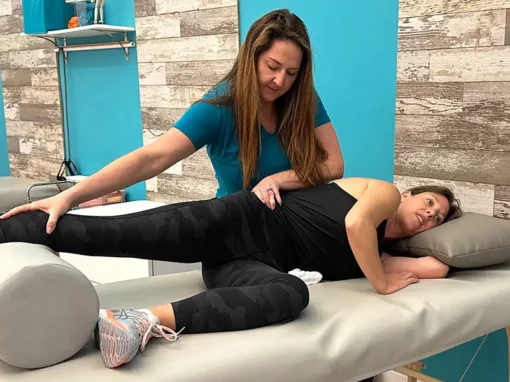
Chiropractic care focuses on how the spine, joints, muscles, and nervous system work together. When nerve compression is connected to joint restriction, poor alignment, movement dysfunction, or tissue tension, chiropractic care can be a very helpful part of the solution.
Restoring Better Alignment
Gentle chiropractic adjustments can help improve joint motion and spinal alignment. When the body moves more freely and evenly, pressure on irritated nerves may be reduced.
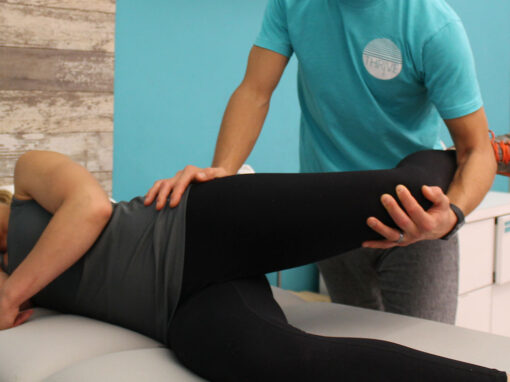
Improving Mobility
Restricted joints and stiff tissues can create compensation patterns that worsen discomfort. Chiropractic care helps restore healthier motion, which may decrease strain on affected areas.
Reducing Tension in Surrounding Tissues
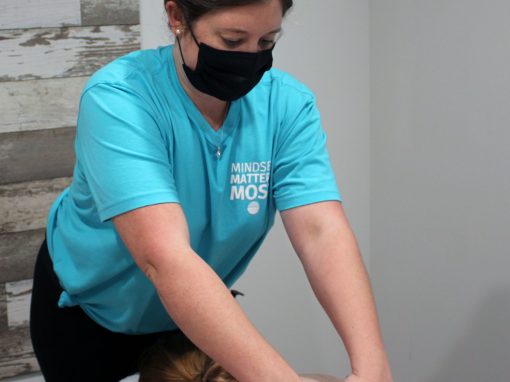
Nerves do not exist in isolation. They move through muscles, fascia, and joints. When those tissues are tight or inflamed, symptoms can increase. Chiropractic care often includes soft tissue work, stretching guidance, or movement recommendations to help calm the area.
Supporting Nervous System Function
When the spine and joints are moving better, and tissue stress is reduced, the nervous system often functions more smoothly. Many patients describe not only less pain, but also a greater sense of ease and better overall comfort.
Encouraging Better Movement Patterns
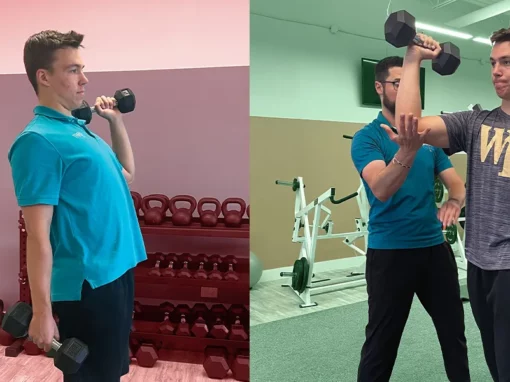
A big part of lasting relief is helping the body move better in everyday life. That may mean improving posture, changing workstation setup, learning safer lifting mechanics, or strengthening supportive muscles.
Chiropractic care isn’t about forcing the body. It’s about helping the body work the way it was designed to work.
Helpful Tips for Supporting Recovery
If you’re dealing with nerve compression symptoms, small daily habits can make a meaningful difference.
-
Pay Attention to Posture
Try to avoid long periods of slouching or craning your head forward. Keep screens at eye level when possible, and take breaks from sitting often.
-
Keep Moving Gently
Movement often helps, even when you are uncomfortable. Short walks, gentle mobility exercises, and light stretching can support circulation and reduce stiffness.
-
Avoid Staying in One Position Too Long
Whether sitting, standing, or driving, staying still for extended periods can aggravate symptoms. Changing positions regularly can help.
-
Be Mindful When Lifting
Use your legs, keep items close to your body, and avoid twisting while lifting. Simple mechanics matter.
-
Sleep With Support
Your sleep position can affect nerve symptoms. Supportive pillows and good alignment at night may help reduce irritation.
-
Do Not Ignore Persistent Symptoms
Tingling, numbness, or weakness that keeps returning deserves attention. The earlier you address the issue, the better the chance of preventing it from becoming more disruptive.
A More Hopeful Way to Think About Getting Older
Many people assume that aches, stiffness, and nerve symptoms are just part of getting older. That belief can make people settle for less comfort and less activity than they deserve.
But growing older does not have to mean becoming fragile or limited.
A better goal is to keep building resilience, staying mobile, protecting your energy, and supporting the mind-body connection that helps you live fully. When your joints move well, your nervous system is calmer, and your pain is lower, it becomes easier to stay active in the ways that matter most to you.
That could mean walking with confidence, traveling comfortably, gardening without fear, keeping up with your kids or grandkids, or simply getting through the day without your body constantly demanding attention.
That kind of well-being matters at every age.
Thrive Is Here to Help
At Thrive, we offer complete chiropractic services as part of a whole-person approach to feeling better, moving better, and living with more comfort and confidence. We take time to understand what is going on, identify patterns that may be contributing to your symptoms, and create a care plan that supports your goals.
Whether your nerve compression is affecting your work, your workouts, your sleep, or your daily routine, we are here to help you find a path forward.
And the best part is, it is easy to book a chiropractic care session today.
Your body is meant to move, adapt, and support you well through every season of life. With the right care, relief and renewed confidence may be closer than you think.