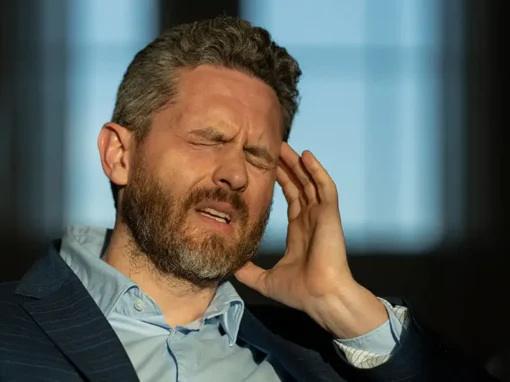


Chest pain has a way of getting your attention quickly. It can feel alarming, uncomfortable, and confusing, especially when it comes and goes without a clear reason.
For many people, once serious medical concerns have been ruled out, the question remains:
“Why does my chest still hurt?”
One often-overlooked answer lies in something you carry with you all day long… Your posture, and even more importantly, your breathing.
At Thrive, we look beyond isolated symptoms and ask a deeper question:
What is your body trying to tell you?
Through Thrivestyle Medicine™, we help you move away from reactive, crisis-based care and toward strength-focused aging, vitality, and emotional well-being. Posture and breathing are foundational pieces of that journey, and when they’re out of balance, your body often lets you know.
When Chest Pain Is Not Your Heart
Let’s begin with something important.
Chest pain should always be taken seriously, especially if it is new, severe, or accompanied by symptoms like shortness of breath, dizziness, or pain radiating to the arm or jaw.
However, many people experience non-cardiac chest pain, which can come from:
- muscle tension in the chest, neck, or shoulders
- poor posture and spinal alignment
- dysfunctional breathing patterns
- rib cage restrictions
- stress and nervous system overload
- acid reflux or digestive issues
If you’ve been told your heart is healthy, but the discomfort lingers, your posture and breathing patterns may be playing a larger role than you realize.
The Posture–Breathing Connection
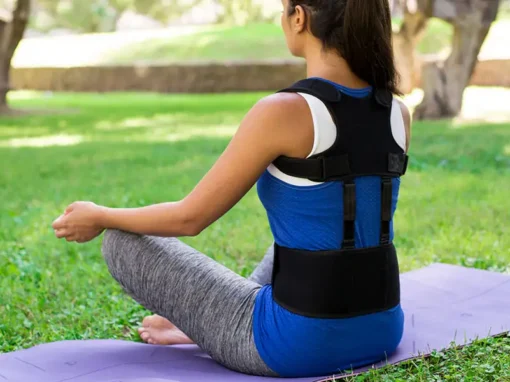
Posture isn’t just about standing up straight. It’s about how your body stacks, moves, and supports itself throughout the day.
When posture shifts out of alignment, especially in today’s screen-heavy world, it can affect how you breathe.
Common Postural Patterns That Contribute to Chest Pain
- rounded shoulders and a forward head position
- a collapsed or sunken chest
- tight upper back and neck muscles
- flared ribs or an overly arched lower back
- limited rib cage mobility
These patterns change the way your lungs expand and how your diaphragm functions.
Instead of smooth, full breaths, many people begin to rely on shallow, upper chest breathing.
Over time, this can lead to:
- tightness or aching in the chest
- a feeling of not being able to take a deep breath
- increased tension in the neck and shoulders
- fatigue and low energy
- heightened anxiety or a sense of unease
Your body is working harder just to breathe, and that effort often shows up as discomfort.
Symptoms People Often Experience
If you’ve been experiencing unexplained chest discomfort, you might recognize some of these common symptoms:
- chest tightness that worsens with sitting or slouching
- pain that improves when you change position or stretch
- discomfort near the sternum or ribs
- tenderness when pressing on the chest muscles
- upper back or shoulder tension alongside chest pain
- frequent sighing or yawning to “catch” a deep breath
- feeling short of breath without exertion
- anxiety or a racing mind paired with physical tension
These symptoms can feel concerning, but they are often your body’s way of asking for better alignment and more efficient breathing. Of course, if you’re especially concerned, it’s NEVER wrong to get yourself checked out by your doctor or at the emergency room.
What Is Postural Restoration®?
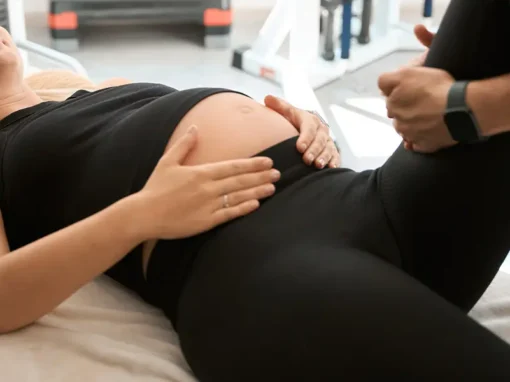
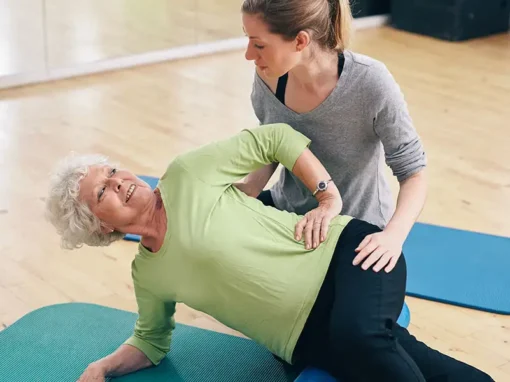
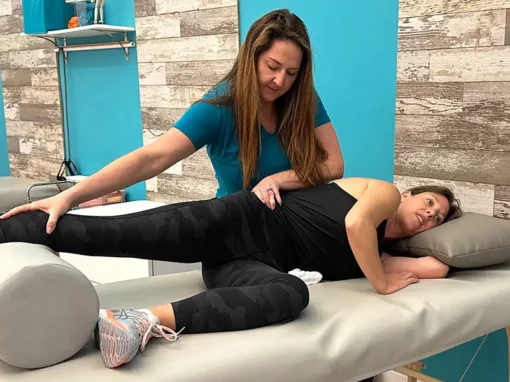
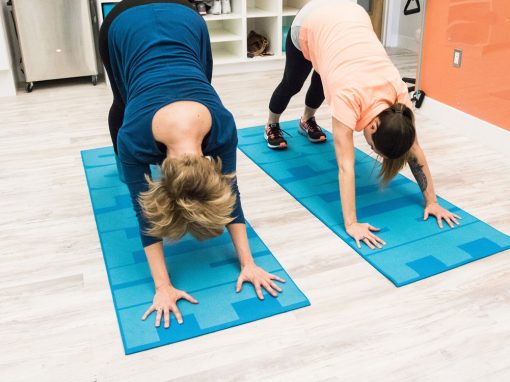
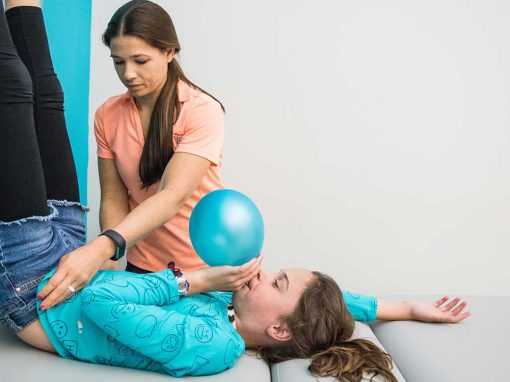
Postural Restoration® is a specialized physical therapy approach that focuses on restoring balance in the body through posture, breathing, and movement patterns.
Rather than forcing your body into a “perfect posture,” it works to:
- improve how your rib cage moves
- restore proper diaphragm function
- balance muscle activity on both sides of the body
- reduce compensations that lead to pain and tension
- retrain your body to move and breathe more efficiently
This approach recognizes that the body is not symmetrical by default, and that daily habits, injuries, and stress can create patterns that need gentle correction.
Why Breathing Matters More Than You Think
Breathing is something you do all day, every day, often without thinking about it.
But how you breathe matters.
The diaphragm is your primary breathing muscle. When it functions well, breathing feels smooth, deep, and effortless.
When it does not, the body recruits other muscles, especially in the chest, neck, and shoulders, to help.
This can lead to:
- muscle overuse and tightness
- restricted rib movement
- increased pressure in the chest
- nervous system imbalance
Healthy Breathing Should Feel Like:
- your rib cage expanding in multiple directions
- your belly and lower ribs gently moving with each breath
- minimal tension in your neck and shoulders
- a calm, steady rhythm
When breathing improves, many people notice that chest discomfort begins to ease, sometimes more quickly than expected.
The Nervous System Piece: Why This Is About More Than Muscles
Posture and breathing are deeply connected to your nervous system.
Shallow, rapid breathing often signals stress or a “fight or flight” state. Over time, this can keep your body in a heightened state of tension.
This is where chest discomfort and emotional well-being intersect.
When your breathing becomes more efficient and your posture improves:
- your nervous system begins to settle
- your heart rate can stabilize
- your body feels safer and more supported
- your mind often feels calmer
This is one of the reasons Postural Restoration® and breathing work can feel so transformative. It’s not just physical, it’s deeply restorative.
Simple Tips to Start Feeling Better
Small changes can make a meaningful difference when practiced consistently.
-
Check Your Sitting Posture
Sit with your feet flat, your hips supported, and your ribs stacked over your pelvis. Let your shoulders relax rather than pulling them back forcefully.
-
Breathe Into Your Ribs
Place your hands on your lower ribs and take slow breaths, feeling expansion outward and slightly backward, not just upward into your chest.
-
Take Movement Breaks
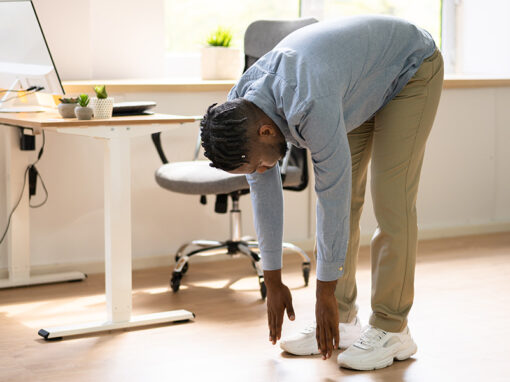
Stand, stretch, or walk every 30 to 60 minutes if you sit for long periods.
-
Relax Your Neck and Shoulders
Notice if you’re holding tension. A gentle shoulder roll or neck stretch can help reset your posture.
-
Practice Slow Breathing
Inhale through your nose for four seconds, exhale for six seconds. This can help calm your nervous system and reduce tension.
Again, consistency matters more than intensity. These small practices can begin to shift how your body feels throughout the day.
You Don’t Have to Figure This Out By Yourself
Posture and breathing patterns can be difficult to change without guidance, especially if they’ve been in place for years.
At Thrive, we offer complete breathing and Postural Restoration® therapy services designed to help you:
- identify the root causes of your discomfort
- restore efficient breathing patterns
- improve alignment and movement
- reduce pain and tension
- build long-term strength and resilience
Through Thrivestyle Medicine™, we focus on the whole person, not just isolated symptoms. Our goal is to help you feel better in a way that lasts.
And getting started is simple. Make an appointment for a free breathing therapy and Postural Restoration® screening at Thrive today. This isn’t just about relieving pain. It is about stepping into a life of greater vitality, strength, and emotional well-being.
And that is something truly worth breathing deeply for.