
There’s a feeling every surfer knows. The forecast looks promising. The wind is cooperating. The tide is right. Your board is ready. You can already imagine that first clean ride before your feet ever hit the sand.
Then your shoulder reminds you about yesterday’s paddle session.
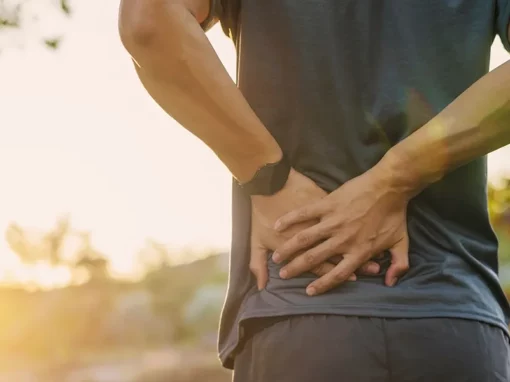
Maybe your lower back feels tight when you bend down to grab your board. Your neck is stiff from hours spent looking toward the horizon. Your hips feel reluctant during your pop-up. Your legs are still sore from the last session, or a nagging issue that usually seems manageable suddenly feels much more noticeable when there are waves to chase.
For surfers, staying healthy isn’t simply about avoiding major injuries. It’s about keeping your body strong, mobile, balanced, comfortable, and ready to respond when the ocean does something unpredictable.
That’s where the combination of physical therapy, chiropractic care, massage therapy, and acupuncture can become especially valuable.
At Thrive in Virginia Beach, we understand that surfing places unique demands on the body. We also understand that surfers rarely want one thing from their care. They want to feel better, move better, recover faster, stay active, and keep doing what they love.
And that’s exactly where a more complete, integrated approach can make sense.
Surfing Looks Effortless. Your Body Knows Better.
Watch an experienced surfer glide across a wave, and the sport can look fluid and almost effortless. But underneath that effortless appearance is an enormous amount of physical work.
Before you ever stand up, you may spend most of your session paddling. That repetitive motion asks a great deal from your shoulders, upper back, chest, arms, and neck. Then comes the pop-up, which requires speed, coordination, mobility, core control, and strength through your shoulders, spine, hips, knees, and ankles.
Once you are riding, your body is constantly adapting. Your legs absorb forces. Your hips rotate. Your core stabilizes. Your ankles adjust. Your upper body counterbalances the board beneath you. Your nervous system is making rapid calculations about balance, speed, timing, positioning, and the constantly changing shape of the wave.
Then you paddle back out and do it all over again.
Add duck dives, wipeouts, awkward landings, cold water, long sessions, gym workouts, jobs, family responsibilities, and perhaps not quite enough recovery, and it becomes easy to understand why surfers can experience stiffness, soreness, overuse issues, or injuries.
The good news is that there’s more than one way to support a surfer’s body.
Why an Integrated Approach Makes Sense for Surfers
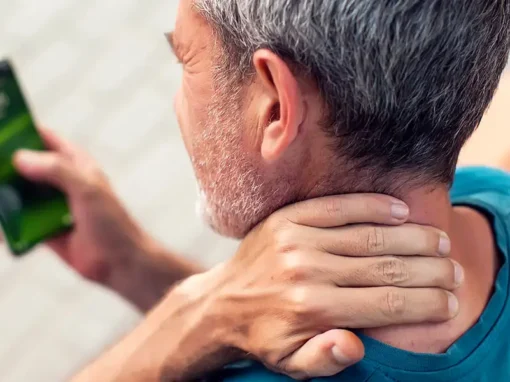
A sore shoulder may not be only a shoulder problem. A stiff lower back may be influenced by limited hip mobility. Neck tension may be connected to posture, paddling mechanics, muscle fatigue, or restricted movement elsewhere. And a knee that becomes irritated while surfing might be responding to how the hip, ankle, and trunk are functioning together.
The body works as a system.
That’s why combining different forms of care can be so useful. At Thrive, our approach to Thrivestyle Medicine™ considers the bigger picture. Physical therapy, chiropractic care, massage therapy, and acupuncture each offer something different, and when appropriate, they can complement one another beautifully.
Instead of asking, “Which treatment is best for surfers?” a better question may be: What does this particular surfer need in order to move, recover, and perform better?
Thrive’s Integrated Approach
-
Physical Therapy: Build Strength, Mobility, and Confidence
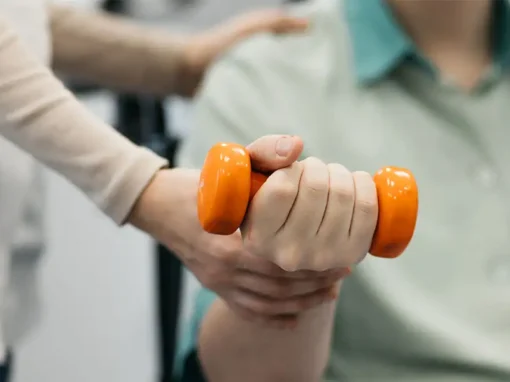
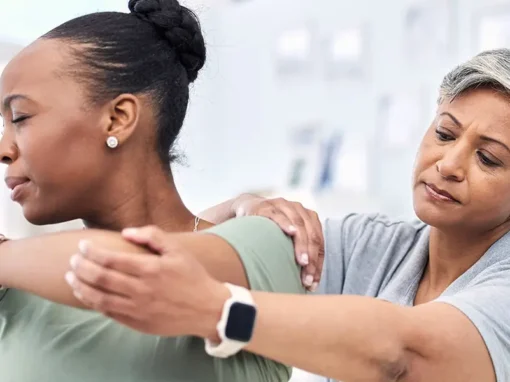
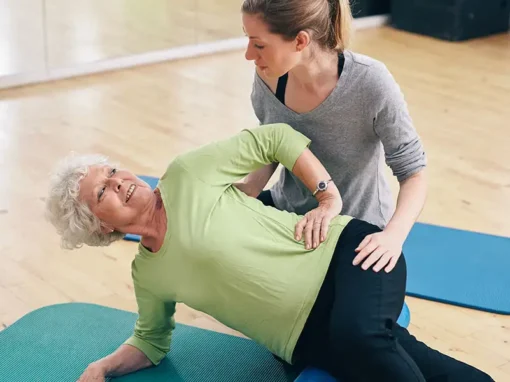
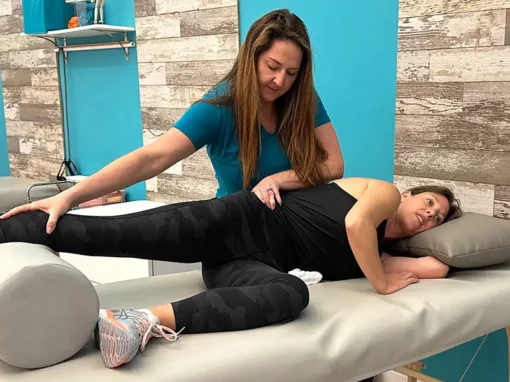
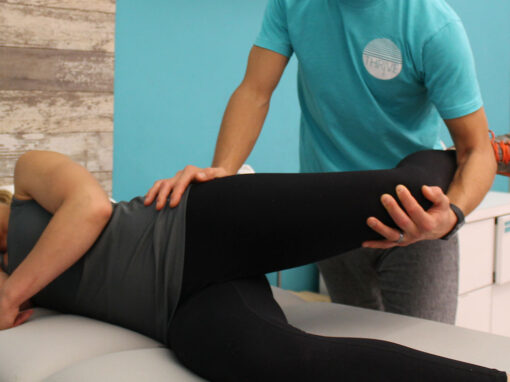
Physical therapy can play an important role for surfers who are recovering from an injury, dealing with recurring discomfort, or simply noticing that certain movements are becoming harder than they used to be.
A physical therapist may assess strength, mobility, balance, joint movement, muscle control, movement patterns, and the way different areas of the body work together. And for a surfer, that can be especially useful… Think about the physical requirements of paddling. Your shoulders need both mobility and stability. Your upper back must extend. Your trunk needs to control rotation. Your shoulder blades have to move efficiently. You also need enough mobility through the shoulders, spine, hips, knees, and ankles to move quickly from a prone position into a stable surfing stance. And then once you are riding, lower-body strength, balance, mobility, and reactive control become critical.
Physical therapy can help identify weaknesses or restrictions that may be limiting those movements. But it’s not just about rehabilitation after something goes wrong. It can also be about preparing the body to handle what you are asking it to do.
-
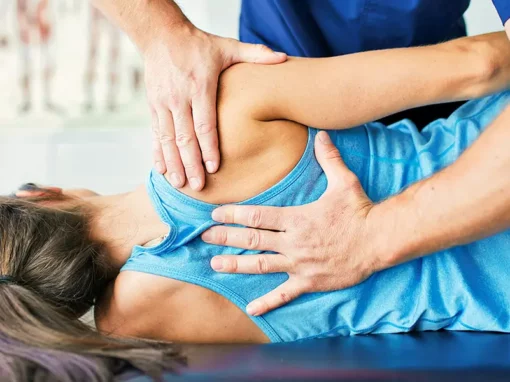
Chiropractic Care: Support Comfortable, Efficient Movement
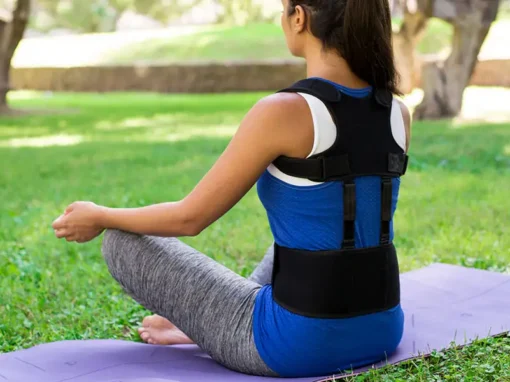
Surfing asks your spine to move repeatedly through extension, rotation, flexion, and stabilization. And over time, some surfers may notice stiffness or restrictions in the neck, upper back, lower back, hips, or other joints. Chiropractic care may help address joint mobility and musculoskeletal discomfort, particularly when incorporated thoughtfully into a broader treatment plan.
If your upper back is particularly stiff, for example, your neck or shoulders may have to compensate while paddling. If your hips aren’t moving well, your lower back may take on more rotation than it ideally should when you’re carving or compressing into turns.
For surfers, the goal isn’t simply to “get adjusted.” The goal is to help your body move more comfortably and efficiently.
-
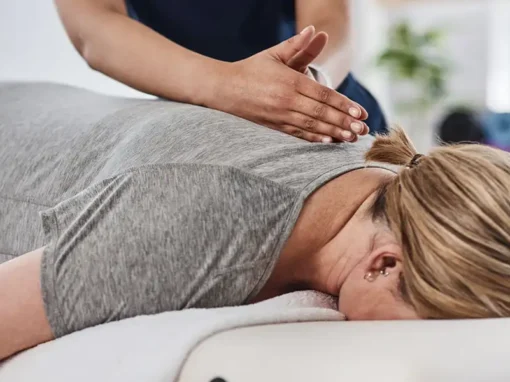
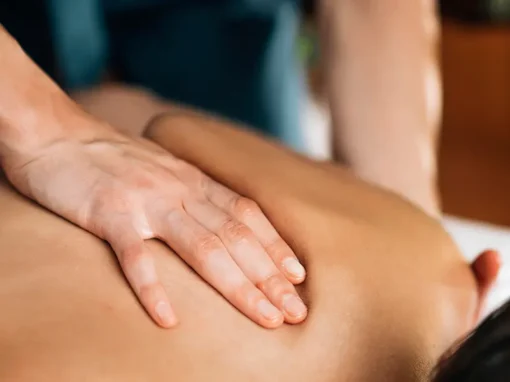
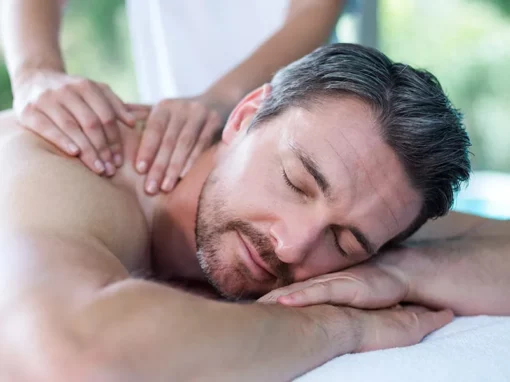
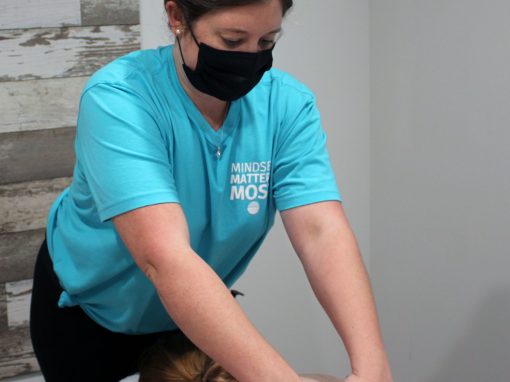
Massage Therapy: Give Hard-Working Muscles Some Attention
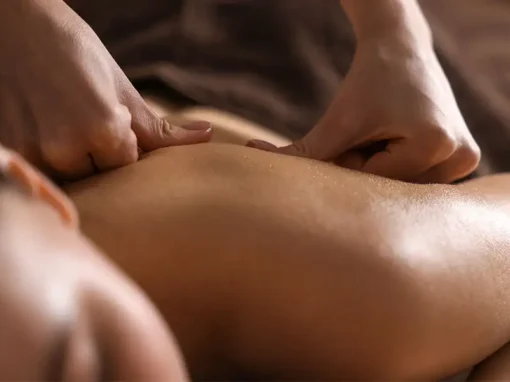
Massage therapy can be a valuable part of recovery for surfers experiencing muscle tension, stiffness, or soreness. It can be especially appealing after a long stretch of good surf when your brain is saying, “Tomorrow morning again,” while your shoulders are saying something very different.
Massage may help reduce the sense of muscular tightness, support relaxation, and make movement feel easier. It can also help surfers become more aware of what their bodies are doing. You may discover that one side of your neck is consistently tighter than the other. Perhaps one hip feels noticeably restricted. Maybe your forearms, calves, or upper back are carrying far more tension than you realized. That body awareness can be useful because it gives you information before a minor issue becomes a bigger one.
And sometimes, recovery simply needs to feel good. There’s great value in giving muscles that work hard for you a chance to relax and recover.
-
Acupuncture: Another Tool for Pain, Tension, and Recovery
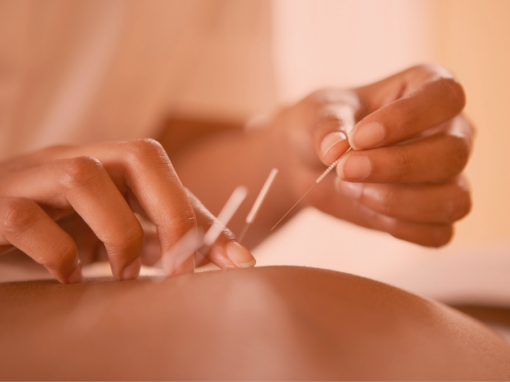
Acupuncture is often used as part of a broader approach to musculoskeletal discomfort, including areas particularly relevant to surfers such as the neck, back, shoulders, and knees. Some athletes also incorporate acupuncture into their recovery routines when managing muscular soreness, tension, or recurring aches.
If pain, stiffness, or muscle tension is interfering with the way you paddle, pop up, rotate, or recover, then addressing those barriers may help you move and train more comfortably.
And when your body feels better, it becomes easier to focus on the wave instead of the part of your body that’s complaining.
Let’s Talk About Recovery
When Virginia Beach gets a good run of waves, it’s tempting to surf as much as possible and deal with the consequences afterward. But recovery isn’t something separate from performance.
It’s part of performance.
Good sleep, hydration, nutrition, appropriate strength training, mobility work, rest, and professional care can all contribute to keeping your body ready for the activities you love.
The smartest time to pay attention to your body isn’t necessarily when pain becomes severe. It may be when you first notice a pattern. Maybe your right shoulder tightens after several consecutive sessions. Perhaps your lower back feels worse after sitting at work all day and then surfing in the evening. Maybe your hips become noticeably stiffer when you stop doing mobility work.
Those patterns matter. Your body is giving you information.
Paying attention early can help you make better decisions about training, recovery, and care.
Virginia Beach Is a Surf Town. Your Body Should Be Ready for It.
Surfing is woven into the identity of Virginia Beach. Whether you grew up surfing here, recently learned, compete, longboard, shortboard, chase hurricanes, enjoy mellow summer waves, or simply paddle out whenever life allows, the ocean gives us a unique way to move, challenge ourselves, and reset.
At Thrive, we want to help Virginia Beach surfers keep doing exactly that.
You don’t need to be a professional athlete to deserve thoughtful care. You simply need a body that keeps working well. Whether you’re dealing with a nagging shoulder, a lower back that gets tight every time the waves are good for several days in a row, or you want to improve your mobility on the board, Thrive can help.
Maybe you’re coming back from an injury, or maybe nothing is seriously wrong, and you simply want to take better care of yourself so you can keep surfing for years to come. Thrive can help.
Your Board Gets Maintenance. Your Body Deserves It, Too.
You rinse the salt from your gear. You check your fins. You repair your dings. You pay attention to wax, rails, leashes, tides, winds, swell, and water temperature.
Your body deserves at least that much attention, doesn’t it?
Physical therapy can help you build strength, mobility, and better movement patterns. Chiropractic care can support joint mobility and comfortable movement. Massage therapy can help address muscular tension, soreness, and recovery. Acupuncture can provide another option for managing pain, tension, and musculoskeletal concerns. And through the personalized approach of Thrivestyle Medicine™, these services can be considered together based on what your body actually needs.
Whether your goal is to recover from an issue, address recurring discomfort, improve mobility, support your performance, or simply take better care of the body that carries you into the water, we’re here to help.
Take care of the surfer, not just the surfboard! Book a free screening, or get in touch with us here at Thrive today and let’s talk about the rehab and/or wellness services you might need.
Feel better. Move better. Keep chasing waves…