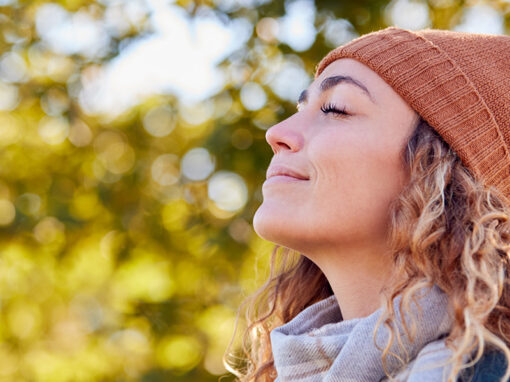

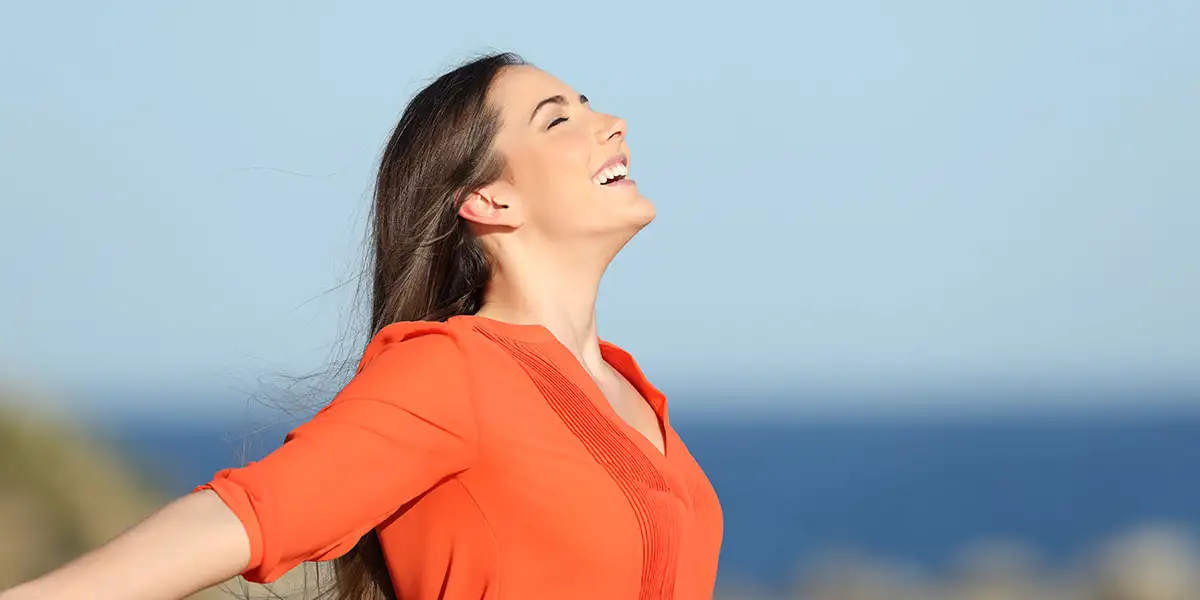
There is something almost magical about taking a deep breath outside.
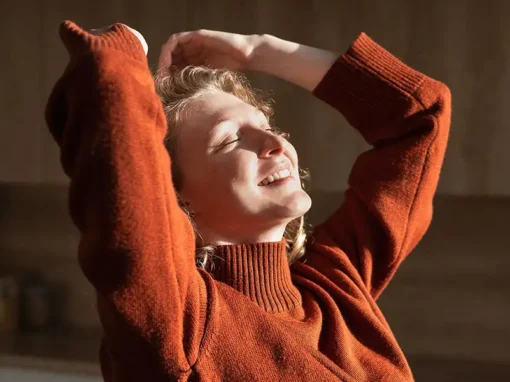
You step into the morning air, feel the warmth of the sun on your skin, hear birds in the distance, and suddenly your shoulders drop a little. Your jaw unclenches. Your mind gets quieter. You feel more present, more grounded, and a little more like yourself.
That’s not your imagination. Breath has a powerful effect on how we feel.
This summer, as we lean into our theme of Nature as Medicine – Movement, Mindfulness, & Connection, breathing feels like the perfect place to begin. It’s always with us. It’s simple, but not simplistic. And when we learn how to work with the breath more intentionally, it can become one of the most effective tools we have for supporting calm, energy, posture, focus, and resilience.
At Thrive, this is exactly why we care so much about Breathing Therapy and Postural Restoration®. Breathing isn’t just about getting air in and out. It’s deeply connected to posture, movement, nervous system regulation, and whole-body function. When breathing improves, a lot of other things often begin to improve, too.
Why Breathing Matters More Than Most People Realize
Breathing is one of the few things the body does automatically, while also allowing us to influence it on purpose. And that’s a big deal.
Your heart beats on its own. Your digestion happens in the background. But your breath sits at the intersection of automatic and intentional. You can let it happen, or you can guide it. That makes breathing one of the fastest ways to communicate with your body.
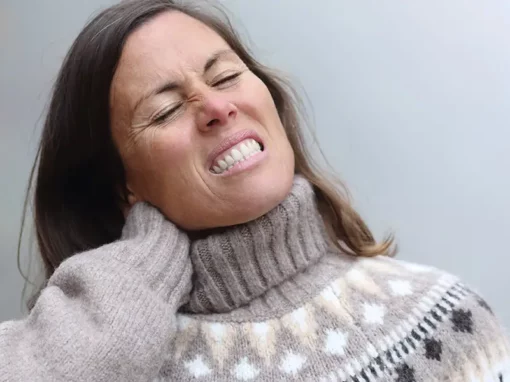
In moments of stress, breathing often becomes shallow, fast, or tight. The chest lifts. The neck muscles take over. And the exhale shortens. Over time, that pattern can become so familiar that it starts to feel normal, even when it’s not helping us feel our best.
When we shift into slower, fuller, more mindful breathing, the body often responds quickly. Muscles begin to soften. The mind becomes less noisy. Tension starts to ease. We feel more grounded and less scattered.
That’s part of why deep breathing is such a beautiful fit for summer wellness. It pairs perfectly with nature, movement, play, and mindfulness, because it helps us actually receive the benefits those things offer.
An Impressive Fact: Your Breathe All Day, Every Day
Most people take around 20,000 breaths a day. Just pause and think about that for a moment.
That means even small improvements in how you breathe can have a meaningful impact over time. Better breathing isn’t just one healthy choice in the middle of the day. It’s a pattern that repeats thousands of times.
This is one reason breathing therapy can be so powerful. We aren’t trying to add one more complicated wellness task to your life. We’re helping improve a pattern your body is repeating all day long.
Not All “Deep Breathing” Is Actually Helpful
This surprises people. Many of us have been told to “take a deep breath,” but what we often do instead is take a big breath into the upper chest, lift the shoulders, flare the ribs, and create even more tension.
That is not the kind of deep breathing that usually feels calming or efficient.
Healthy, supportive breathing is often less dramatic than people expect. It is quieter. Softer. More three-dimensional. The rib cage expands more fully. The diaphragm can do its job. The exhale is not rushed. The neck and shoulders don’t have to work so hard.
This is where posture becomes incredibly important.
What Does Posture Have to Do With Breathing?
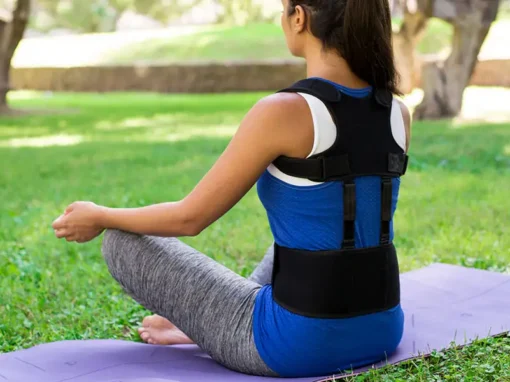
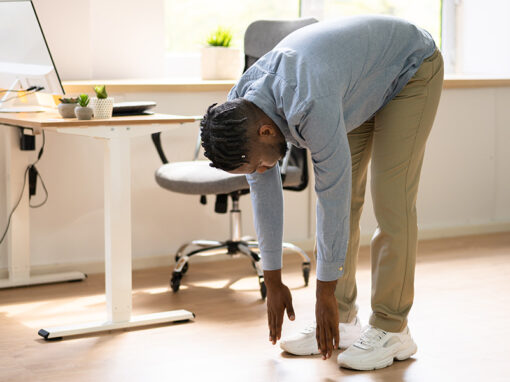
Everything. If the body is stuck in patterns of tension or imbalance, breathing mechanics can change. If the ribs are held in a rigid position, if the neck and chest are overworking, or if the pelvis and spine are not in a supportive relationship, the breath can become strained and inefficient.
In other words, it’s not always enough to tell someone to “just breathe deeply.” The body has to be in a position where breathing can happen well.
That’s why Postural Restoration® is such a valuable partner to Breathing Therapy.
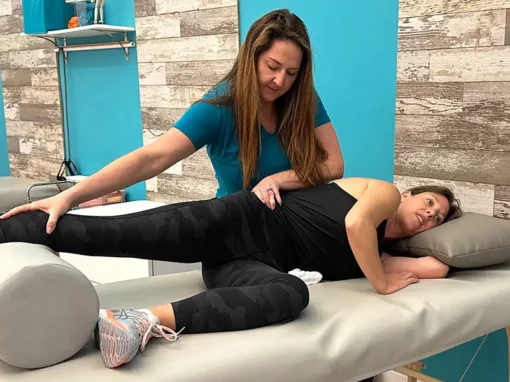
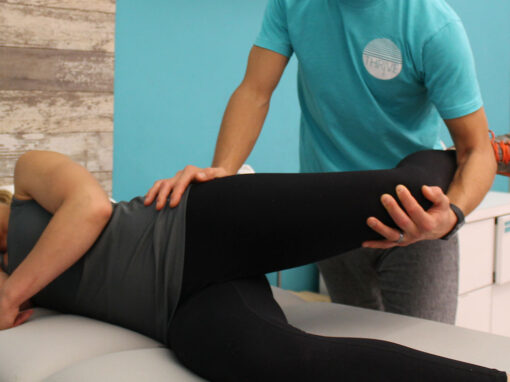
Postural Restoration® looks at the way the body is patterned and how those patterns may be affecting breathing, movement, comfort, and function. When we help the body find better alignment and more balanced positioning, breathing can become easier and more natural.
People often notice that once posture improves, the breath feels less forced. They don’t have to work as hard to inhale. They can exhale more fully. More importantly, they feel more grounded and less tense. Movement becomes smoother. Recovery often feels better.
This is one of those things that sounds simple, but it can be profoundly life-giving.
Mindful, Deep-Breathing Methods to Try This Summer
Here are a few approachable breathing practices that pair beautifully with the season and with our summer theme of nature, movement, mindfulness, and connection:
-
The Longer-Exhale Breath
This is one of the simplest and most effective ways to settle a stressed system.
- Inhale gently through the nose for a comfortable count of 3 or 4.
- Exhale slowly for a count of 5 or 6.
- Repeat for a few rounds.
Why it helps: The longer exhale often encourages the body to soften and let go of tension. It is a wonderful practice when your mind feels busy, when you are transitioning out of work mode, or when you want to feel more settled before bed.
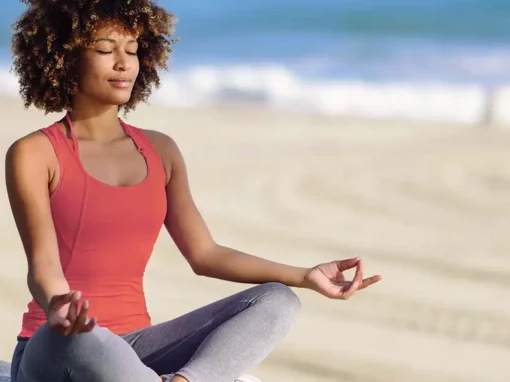
Try it outside on the porch, after a walk, or while sitting in the grass.
-
360 Breathing
This is a great reminder that breathing isn’t just about the front of the chest.
Place your hands around your lower ribs. As you inhale, think about breathing into the sides and back of the rib cage, not just lifting upward in the chest. Let the breath widen you gently. Then exhale slowly and feel the ribs soften.
Why it helps: This encourages a fuller, more balanced breathing pattern and helps people become aware of where they may be holding tension.
This can be especially helpful for people who tend to be chest breathers, or who feel like deep breathing always turns into more strain.
-
Walking Breath
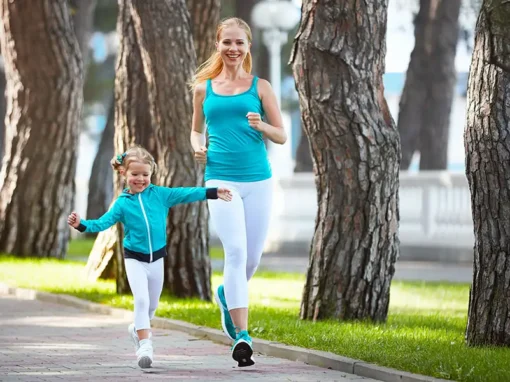
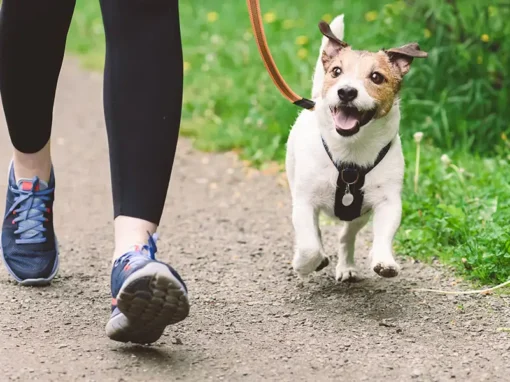
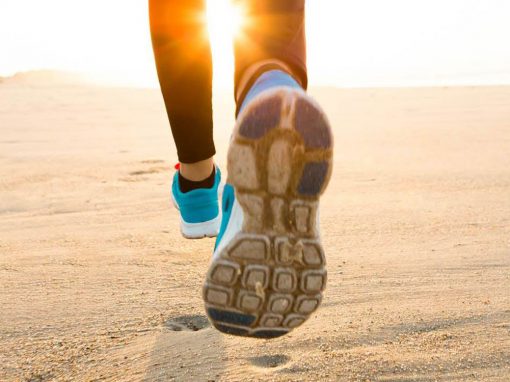
Summer is a perfect time to blend breath and movement. Try inhaling for three or four steps, then exhaling for four to six steps as you walk. Keep it easy and natural. The goal is not to perform it perfectly. The goal is to create a rhythm.
Why it helps: Walking breath combines outdoor movement with mindful regulation. It can make a simple walk feel more restorative, less rushed, and more grounding.
This is a wonderful practice for a morning walk, an evening stroll, or even a quick break between appointments.
-
Humming Exhale
Take a gentle inhale through the nose, then hum softly as you exhale.
Why it helps: Humming can naturally slow the exhale and create a soothing vibration in the body. Many people find it grounding, calming, and unexpectedly pleasant.
It is also a good option for people who don’t love counting breaths and want something that feels a little more organic.
-
Barefoot Grounding Breath
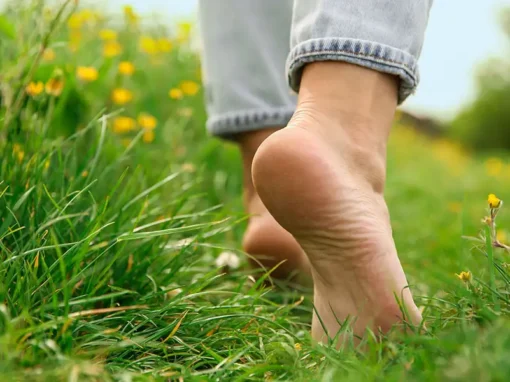
Stand barefoot on safe grass, sand, or natural earth. Soften your knees. Notice the surface beneath your feet. Take slow breaths and focus on the feeling of contact with the ground.
Why it helps: This combines breath awareness with sensory grounding, which can be especially supportive when the mind feels overstimulated or emotionally scattered.
Sometimes the most effective mindfulness practice is the one that feels tangible.
-
Recovery Breath After Play or Exercise
After swimming, biking, hiking, chasing kids around the yard, or any active summer fun, pause and take a few slow nasal breaths with a long, relaxed exhale.
Why it helps: This can help your body shift out of exertion mode and into recovery mode. It’s a simple way to support nervous system balance after movement.
Signs Your Breathing Pattern May Need Support
Many people don’t realize their breathing pattern is working against them until they begin to feel how much better it could be.
A few clues that breathing therapy or postural support may be helpful include:
- frequent upper chest breathing
- feeling like you cannot get a full breath
- tension in the neck, shoulders, or jaw
- feeling stressed and wired much of the time
- difficulty settling or relaxing
- poor posture or feeling compressed through the torso
- fatigue during exercise or recovery that feels harder than it should
- a sense that your breathing takes effort, instead of feeling natural
These patterns are common, but they aren’t something you simply have to live with.
How Breathing Therapy and Postural Restoration® Work Together at Thrive
At Thrive, we don’t believe in one-size-fits-all care. We look at the bigger picture.
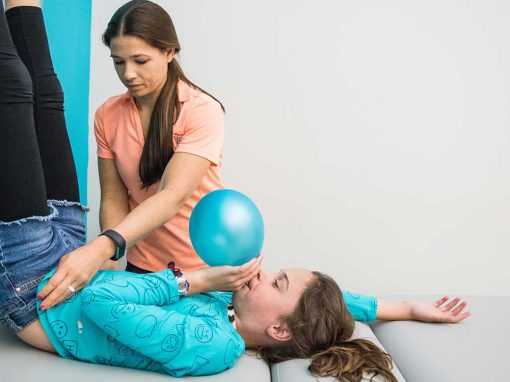
Breathing therapy helps us understand how you’re breathing right now and how your breath may be affecting your nervous system, energy, movement, and overall well-being. We can help you learn more efficient, calming, and supportive breathing strategies that fit your body and your life.
Postural Restoration® adds another important layer by looking at the body’s patterns of alignment and movement. If posture is making breathing harder, or if asymmetries and tension are creating strain, that needs to be addressed, too.
Together, these services can support:
- more efficient breathing mechanics
- better posture and body awareness
- calmer nervous system function
- less tension in the neck, chest, and shoulders
- improved movement and recovery
- a greater sense of grounding and resilience
This is one of the beautiful things about our Thrivestyle Medicine™ approach. We aren’t just chasing isolated symptoms. We’re helping the body function better as a whole.
Healing Doesn’t Always Have to Be Complicated
This summer, let your breath become part of your healing. Let it help you feel more connected to your body, to nature, and to the people around you. Let it remind you that calm isn’t something you have to earn. It’s something you can practice.
If breathing feels tight, shallow, effortful, or disconnected, there may be more support available than you realize. And if posture has been influencing how you feel, how you move, or how you breathe, that also deserves attention.
Schedule a Breathing Therapy and Postural Restoration® session at Thrive today and discover how much can change when you learn to breathe, move, and restore with more ease. Sometimes the path to feeling better starts with something beautifully simple: stepping outside, softening your posture, and taking one truly supported breath.