

When people hear the phrase aging in place, they often picture grab bars, stair rails, and maybe a better night light in the hallway.
And yes, those things matter.
But aging in place is about so much more than staying in your house. It’s really about staying well enough to enjoy your life there. It’s about strength, balance, energy, confidence, connection, mobility, sleep, nutrition, mood, and feeling supported in your whole self, not just one body part at a time. The National Institute on Aging notes that many older adults want to stay in their homes as they age, and that doing so well takes planning for safety, independence, and support.
That’s exactly why we care so deeply about this topic at Thrive. Our work has always been rooted in caring for the whole person, which is why we call our approach Thrivestyle Medicine™. It’s not about waiting until something breaks, hurts, or becomes urgent. It’s about being proactive. It’s about helping people stay active, capable, connected, and engaged in the life they want to keep living.
So here’s a healthy lifestyle checklist for aging in place, Thrive style.
First, Let’s Define “Proactive Health”
Proactive health means you don’t wait for a fall to think about balance. You also…
- Don’t wait for exhaustion to think about sleep.
- Don’t wait for isolation to think about connection.
- Don’t wait for pain to think about movement.
- Don’t wait for a diagnosis to start caring for your body.
That isn’t fear-based. It’s wisdom-based.
The National Institute on Aging says regular checkups and health screenings are an important part of healthy aging because they help catch chronic disease early and can help people reduce risk factors like high blood pressure and high cholesterol.
In other words, thriving later in life is often less about reacting well, and more about preparing well.
Your Healthy Lifestyle Checklist for Aging in Place
This is an important list… Read it. Understand it. Remember it.
-
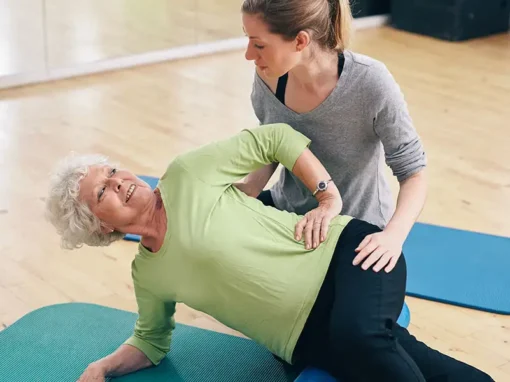
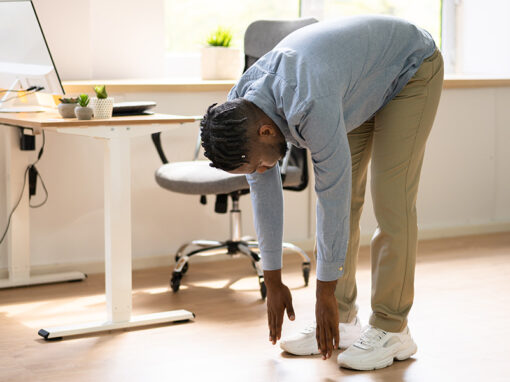
Keep Moving, Especially in Ways That Build Strength and Balance
If there’s one item that belongs at the very top of the list, it’s this one. Because movement protects independence.
Federal physical activity guidance for older adults recommends at least 150 minutes a week of moderate aerobic activity, muscle-strengthening work on two or more days a week, and multicomponent activity that includes balance training. It also emphasizes that if 150 minutes feels out of reach right now, doing what you can still matters, and even short bouts of movement have real benefits.
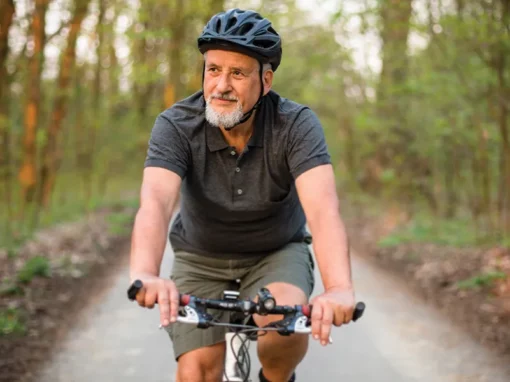
This doesn’t have to mean boot camp. It can look like walking, gardening, light resistance work, tai chi, swimming, chair exercises, hiking, dancing in the kitchen, or getting outside for short movement breaks. The goal is not punishment. The goal is preserving the ability to keep doing daily life.
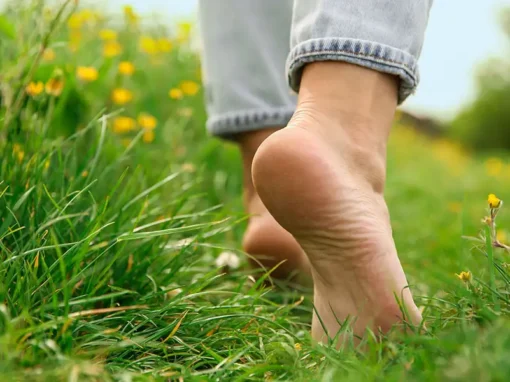
And this is where nature as medicine fits beautifully. A walk outside isn’t just exercise. It’s movement, fresh air, sensory input, mood support, and a gentle reminder that health can still feel good.
-
Take Fall Prevention Seriously, Before You Need To
Falls are not a small issue. They’re one of the biggest threats to independence. According to the CDC, falls are the leading cause of injury for adults 65 and older, and more than one in four older adults fall each year. The CDC also notes that falling once doubles your chances of falling again.
That sounds dramatic, because it is.
The encouraging part is that many falls can be prevented. NIA home-safety guidance recommends practical steps like improving lighting, removing loose rugs, securing carpets, adding grab bars near toilets and in the tub or shower, and using nonslip strips on wet surfaces. NIA also recommends regular vision and hearing checks, strength and balance exercises, and rising slowly if dizziness is an issue.
This is one of the clearest examples of proactive health in action. You don’t “earn” a safer home by having a close call first.
-
Treat Strength Like a Retirement Asset
We often think about retirement accounts, but not always about muscle mass. That may need to change.
Muscle isn’t just for athletics. It helps with getting out of a chair, climbing stairs, carrying groceries, opening heavy doors, getting up off the floor, and catching yourself if you trip. NIA nutrition guidance notes that older adults should try to get enough protein throughout the day to help maintain muscle, and physical activity guidance underscores the value of strength training as part of healthy aging.
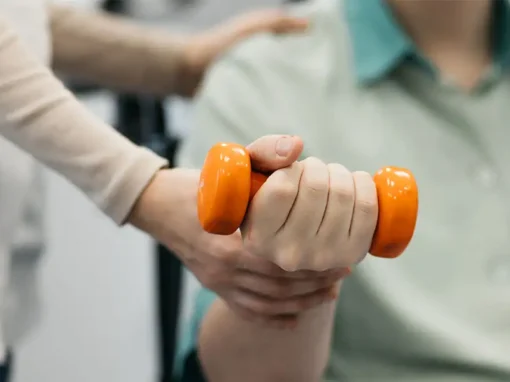
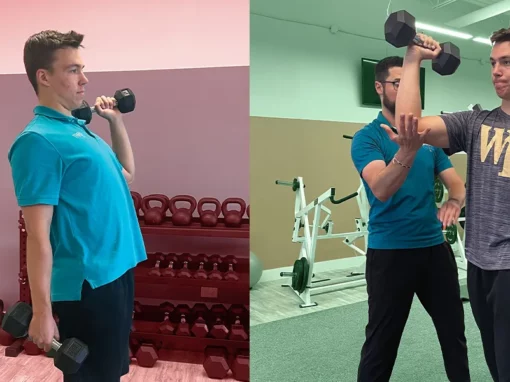
This doesn’t mean everyone needs barbells in the garage. It means preserving strength on purpose. That could include bodyweight exercise, resistance bands, supervised training, physical therapy-style work, or customized movement support.
The big idea is simple: Strength helps people stay independent.
-
Review Your Medications, Don’t Just Refill Them
This one gets missed all the time. Older adults often have multiple medical conditions and may take many medicines, which increases the risk of side effects and harmful interactions. Some medicines and combinations of medicines can affect memory, sleep, and brain function in older adults.
That means a proactive aging-in-place plan should include periodic medication review, including prescriptions, over-the-counter drugs, vitamins, and supplements.
- Sometimes what looks like “getting older” is actually a medication side effect.
- Sometimes what looks like fatigue is a dosing issue.
- Sometimes what looks like brain fog is an interaction that deserves attention.
Bring the full list. Ask questions. Make sure every medication still has a job.
-
Protect Your Hearing and Vision Like They Matter (Because They Do)
They matter for safety. They matter for communication. They matter for confidence.
NIA says about one-third of older adults have hearing loss, and that hearing problems can make it harder to understand conversations, follow a doctor’s advice, and hear doorbells or alarms. And fall-prevention guidance also specifically recommends getting your vision and hearing checked regularly, because changes in these senses can increase fall risk.
This is such an important reminder that “whole person” care means paying attention to the systems that support daily life, not just the obvious symptoms.
- Sometimes improving safety starts with better balance training.
- Sometimes it starts with updating your glasses.
- Sometimes it starts with finally addressing hearing loss.
-
Eat in a Way That Supports Energy, Immunity, and Muscle
Healthy eating for aging in place doesn’t have to be trendy. It has to be sustainable.
NIA guidance for older adults recommends a variety of nutrient-dense foods, and points out that protein helps build and repair tissue and support the immune system. It also notes that nutritious eating patterns can help lower the risk of health problems such as heart disease, high blood pressure, obesity, type 2 diabetes, stroke, and some cancers.
A proactive checklist here might include:
- eating enough protein,
- keeping easy nourishing foods on hand,
- staying hydrated,
- and making sure meals are not becoming an afterthought.
This is another place where personalized care matters. Some people need help with appetite. Some with meal planning. Some with digestion. Some with blood sugar. Some with simply making food feel easier again. (Check out our nutrition coaching services and book an initial health and nutrition evaluation!)
-
Make Sleep Part of Your Health Plan, Not an Afterthought
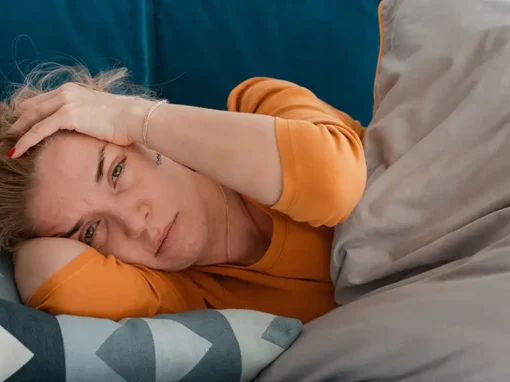
Aging well is much harder when you are exhausted. Turning again to the National Institute on Aging, they advise that older adults still need about seven to nine hours of sleep each night. They also note that poor sleep can contribute to memory problems, negative mood, and increased risk of falls or accidents.
That means better sleep is not a luxury item. It’s a safety issue, a mood issue, a brain-health issue, and a quality-of-life issue.
- If sleep is off, it deserves attention.
- If you’re waking tired, it deserves attention.
- If insomnia has become “just how it is now,” it deserves attention.
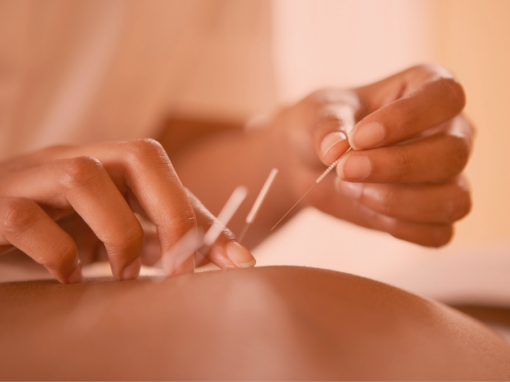
Sometimes improving sleep starts with stress reduction. Sometimes with pain relief. Sometimes with movement, breathing work, or a better routine. Often, it starts with talking about it.
-
Stay Socially Connected on Purpose
This isn’t fluff. This is health care. NIA and CDC both warn that loneliness and social isolation are linked to higher risks for problems like heart disease, depression, cognitive decline, dementia, stroke, and earlier death. Older adults are at increased risk for social isolation because of life changes such as hearing or vision loss, mobility issues, illness, and loss of loved ones.
So yes, connection belongs on the checklist.
- Coffee with a friend
- A walking group
- Volunteering
- Church
- A class
- A regular family call
- A grandchild date
- A neighbor you actually know
These things are not extras. They’re part of what helps people stay mentally and physically well.
-
Use Nature as Medicine
This may be one of the most overlooked forms of proactive care. Research highlighted by NIH suggests that spending time in natural environments may improve mental and physical well-being, and that nature experiences can benefit mood and cognitive function.
That doesn’t mean you need to become a wilderness person overnight. It can be as simple as:
- walking outside in the morning,
- sitting on the porch with coffee,
- gardening,
- eating lunch outdoors,
- watching birds,
- meeting a friend for a park walk,
- or standing barefoot on the grass for a few minutes and taking a full breath.
Nature supports movement, mindfulness, and connection, and can help us feel more human again.
-
Stay Current With Screenings, Check-ins, and Preventive Care
One of the biggest myths in aging is that feeling okay means nothing needs attention.
Not always. NIA emphasizes regular screenings as part of healthy aging, and CDC guidance reminds adults to stay up to date on recommended vaccines as well. Preventive care is one of the clearest ways to be proactive, rather than reactive.
The point is not to become hypervigilant. The point is to stay informed enough to act early when something changes. That might mean blood pressure checks, routine labs, bone-health conversations, hearing and vision exams, vaccine updates, balance assessment, or help with lingering pain before it starts limiting your world.
What This Has to Do With Thrivestyle Medicine™
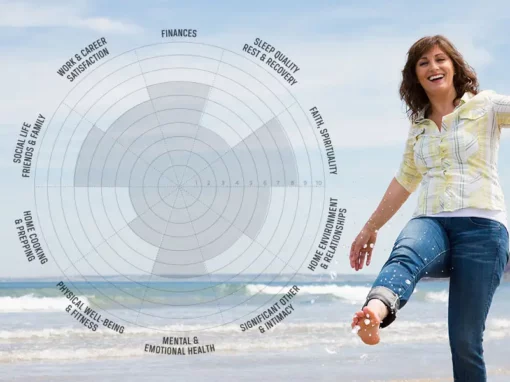
This checklist is exactly why we named our approach Thrivestyle Medicine™. Because aging in place isn’t just about one specialty. It’s not just about one symptom. And it’s not just about one appointment.
It’s about the whole person.
- How you move.
- How you sleep.
- How you eat.
- How you feel.
- How steady you are.
- How connected you are.
- How your home supports you.
- How your daily habits are either helping you stay independent, or quietly taking that away.
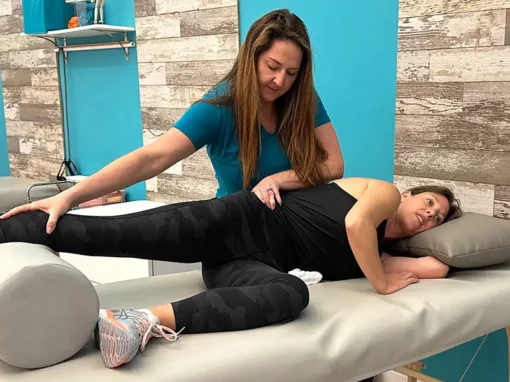
At Thrive, we believe personalized care should reflect real life. For one person, that may mean support for pain and mobility. For another, it may mean balance, posture, breathing, nutrition, recovery, or stress support. For many people, it’s a combination.
That’s the point. Whole-person care should feel personal.
An Invitation to Be Proactive
Aging in place isn’t something you start thinking about after a crisis. It starts now, with how you care for your body today.
It starts with strength and balance. It starts with food. It starts with rest and connection and prevention. It starts with sunlight and fresh air. And it starts with being willing to care for the whole person you are, not just the problem that’s loudest.
That’s the heart behind Thrivestyle Medicine™.
If you’re ready to be more proactive about your health, and want support that is personalized, thoughtful, and rooted in whole-person care, talk to us about your needs and schedule your personalized services at Thrive. The best aging-in-place plan isn’t just about staying home longer. It’s about staying stronger, steadier, and more fully yourself while you do.