

Back pain has a way of interrupting everything. It can make getting out of bed feel like a chore, turn a simple commute into a challenge, and make the routines you normally handle with ease feel suddenly overwhelming. For students carrying backpacks, parents juggling schedules, and professionals sitting through long workdays, back pain can also show up during seasons of transition, especially when life gets busier and routines change.
At Thrive, we see back pain as more than a symptom. It’s often a signal that your body needs support, better movement, and a more thoughtful plan. That’s where non-invasive chiropractic care can be a powerful part of your wellness routine.
What Non-Invasive Back Pain Relief Means
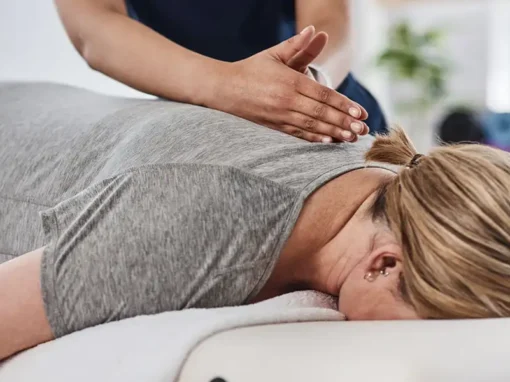
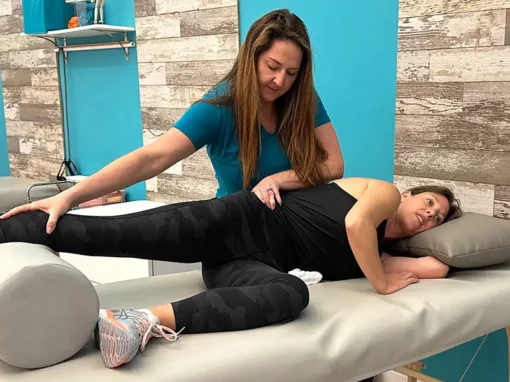
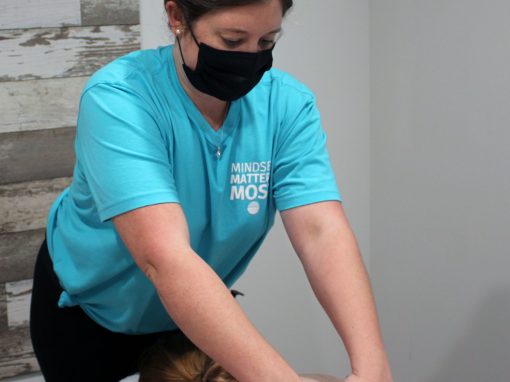
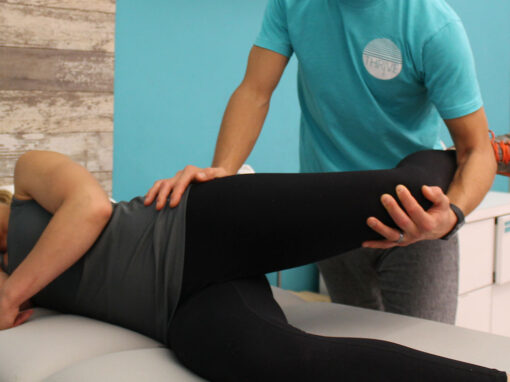
Non-invasive care means working with the body without surgery, incisions, anesthesia, or highly invasive procedures. In chiropractic care, this often includes a careful evaluation, gentle or specific spinal adjustments, mobility work, soft tissue support, posture guidance, and practical lifestyle recommendations.
The goal is not simply to “crack your back.” The goal is to improve how your spine, joints, muscles, and nervous system communicate and move together. Spinal manipulation involves a trained practitioner like those here at Thrive applying a controlled thrust to a spinal joint; the goal of chiropractic adjustment is to improve spinal motion and the body’s ability to move.
When your spine is moving better, the surrounding muscles often have less reason to guard or tighten. When your movement improves, your body may feel less stiff, your posture may feel more natural, and everyday activities may become easier.
How Chiropractic Care Can Help Back Pain
Back pain can come from many sources: irritated joints, muscle tension, prolonged sitting, repetitive lifting, poor sleep posture, stress, old injuries, or sudden changes in activity. Sometimes pain is sharp and sudden. Other times, it builds slowly until one ordinary movement, like bending to load the dishwasher, brings it to your full attention.
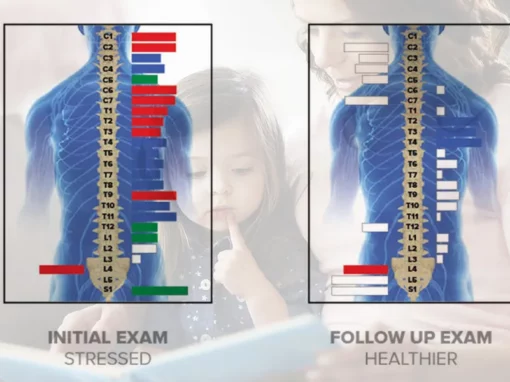
Chiropractic care begins with understanding what your body is telling us. At Thrive, that means looking at how you move, where your discomfort shows up, what makes it better or worse, and how your daily routines may be contributing. Your care may include spinal adjustments to help restore joint motion, soft tissue work to reduce tension, and coaching to help you move more confidently between visits.
Research and clinical guidelines support non-drug options for many types of low back pain. The American College of Physicians guideline recommends non-drug treatments as first-line options for many patients with acute, subacute, and chronic low back pain, and spinal manipulation is included among those options. (As is acupuncture, another wellness service Thrive offers.)
That doesn’t mean chiropractic care is a magic wand, but it does mean that a conservative, non-invasive starting point is often a wise and evidence-informed choice.
The Invasive Dangers You Might Avoid
There are times when surgery, injections, or medication may be necessary. The goal is never to shame those options. The goal is to help people avoid them when conservative care is appropriate and effective.
Spine surgery can be life-changing for the right patient, but like all surgery, it carries risk. The American Academy of Orthopaedic Surgeons lists possible risks of low back surgery, including:
- bleeding
- infection
- reaction to anesthesia
- blood clots
- recurrent disk herniation
- problems related to rods or screws
- nerve damage
- spinal headache
Epidural steroid injections may also be helpful for some people, but they are still invasive. The FDA has warned that corticosteroid injections into the epidural space may rarely be associated with serious neurologic events, including loss of vision, stroke, paralysis, and death.
Pain medication can also have a role, but relying on medication alone may not address the movement patterns, stiffness, weakness, or lifestyle triggers behind the pain. The CDC encourages clinicians to maximize nonpharmacologic and nonopioid therapies when appropriate, and notes that nonopioid therapies can be at least as effective as opioids for many common types of acute pain, including low back pain.
Non-invasive chiropractic care may help you reduce reliance on more aggressive interventions, especially when care begins early and is paired with healthy daily habits.
The Advantages of a Non-Invasive Approach
One of the greatest advantages of chiropractic care is that it works with your life instead of interrupting it. There is typically no hospital stay, no incision, no anesthesia recovery, and no long downtime. Many patients appreciate that chiropractic care can be adjusted to their comfort level, age, activity level, and health goals.
Another advantage is that chiropractic care often gives you more body awareness. You begin to notice which chairs aggravate your back, how long you can sit before stiffness builds, whether your backpack or work bag is throwing you off balance, and which movements help you feel better. That awareness is empowering.
Non-invasive care also fits beautifully within the Thrive philosophy of Thrivestyle Medicine™. It’s not just about chasing pain after it appears. It’s about helping your body function well through the real demands of life, including busy school mornings, long workdays, sports seasons, parenting stress, travel, home projects, and major life transitions.
Thriving Through Routine Changes
Back-to-school season is a perfect example of how quickly the body can feel the impact of a routine shift. Students may go from summer movement to hours of sitting. Parents may be lifting backpacks, loading cars, bending over lunches, rushing through mornings, and spending more time driving. Professionals may return to longer desk days, heavier commutes, or more structured schedules.
Even positive transitions can create physical stress. Your body likes rhythm. When sleep changes, movement decreases, stress rises, or meals become rushed, your back may be one of the first places to complain.
A chiropractic visit during these transitions can help reset your body and give you a plan for the season ahead. For students, that might mean backpack fit, posture reminders, and sports readiness. For parents, it might mean lifting strategies, stress support, and quick mobility routines. For professionals, it might mean workstation guidance, neck and low back support, and simple movement breaks that actually fit into the workday.
Helpful Tips to Support Your Chiropractic Care at Thrive
-
Keep Moving
Keep moving, even when you’re sore. Gentle walking, light stretching, and changing positions throughout the day often help more than prolonged rest. Many cases of acute low back pain improve over time, and staying as active as pain allows is encouraged.
-
Take Microbreaks
Every 30 to 45 minutes, stand, walk, reach overhead, gently rotate your torso, or do a few slow hip hinges. (Unlike a squat, a hip hinge is a movement where you bend at the hips—not the knees—while keeping your spine neutral.) These small resets can reduce the stiffness that builds from sitting.
-
Check Your Backpack or Bag
A backpack should be worn on both shoulders, sit close to the body, and not hang too low. Parents and professionals should also watch the “one heavy tote on one shoulder” habit, which can create uneven strain.
-
Set Up Your Workspace
Set up your workspace with your spine in mind. Your screen should be near eye level, your feet should rest comfortably, and your chair should support a relaxed, upright posture. Perfect posture all day is not realistic, but changing positions often is helpful.
-
Use Heat or Ice Thoughtfully
Ice may feel better for fresh irritation or inflammation, while heat may help tight muscles relax. Your chiropractor can help you decide what makes sense for your specific situation.
-
Strengthen Gently
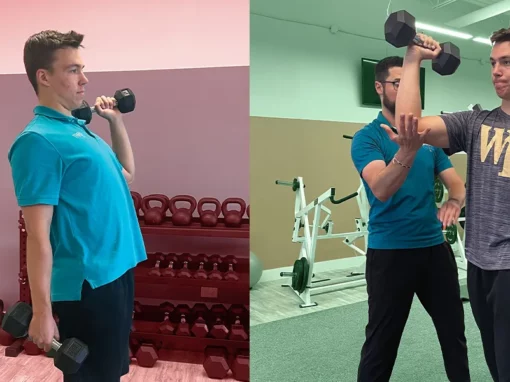
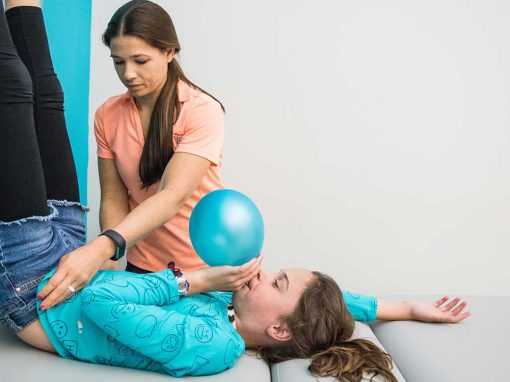
Your spine doesn’t need extreme workouts to become more resilient. Simple core stability, glute strengthening, hip mobility, and breathing exercises can make a meaningful difference when performed consistently.
-
Protect Your Sleep
A supportive pillow, a comfortable mattress, and a sleep position that keeps your spine more neutral can reduce morning stiffness. Sleep is also when your body repairs, so it matters.
-
Manage Stress
Manage your stress as part of back care. Stress can increase muscle tension, shallow breathing, and pain sensitivity. A few slow breaths, a short walk, or a quiet reset between obligations can help your nervous system settle.
When Back Pain Needs Medical Attention
Most back pain is not an emergency, but some symptoms should not be ignored. Seek immediate medical care if back pain causes new bowel or bladder problems, comes with fever, follows a fall or injury, or is associated with significant weakness, numbness, unexplained weight loss, or severe worsening symptoms. Mayo Clinic lists these as reasons to seek prompt care.
A thoughtful chiropractor like those here at Thrive will also know when your symptoms need referral or co-management. Good care is not about forcing one approach. It’s about helping you get the right care at the right time.
A Better Way to Move Forward
Back pain can make life feel smaller. You stop bending, lifting, walking, exercising, playing, traveling, or sitting comfortably through the moments that matter. Non-invasive chiropractic care offers a way to begin restoring movement, confidence, and comfort without jumping straight to more invasive options.
At Thrive, our goal is to help you feel supported in your body and your life. Whether you’re a student adjusting to a new school year, a parent carrying the weight of everyone’s schedule, a professional navigating long desk days, or someone simply ready to feel better, chiropractic care can be part of a practical, whole-person plan.
Schedule a chiropractic session at Thrive today. Back pain may be common, but living limited by it doesn’t have to be. With the right support, better habits, and a proactive approach through Thrivestyle Medicine™, you can move through life’s transitions with more ease, resilience, and confidence.