
When people think about fitness recovery, they often picture protein shakes, stretching, massage guns, or maybe a well-earned rest day. Those are all helpful, of course, but there’s another simple, comforting tool that deserves more attention: heat.
A heating pad may seem almost too ordinary to be part of a serious recovery routine, but that’s exactly what makes it so helpful. It’s easy, accessible, soothing, and when used thoughtfully, it can support the body in meaningful ways after training, long days on your feet, or the normal aches and tightness that come with an active life.
At Thrive, we believe fitness is not only about how hard you train. It’s also about how well you recover. Recovery is where progress is protected, strength is supported, and the body gets a chance to adapt well over time. Heat therapy can be one small but powerful part of that bigger picture.
If you’re working toward more strength, better performance, greater energy, and a body that supports you well for years to come, heat may be one of the most comforting recovery tools to keep close by.
Why Recovery Matters More Than People Realize
It’s easy to focus on the workout itself. The miles run, the weights lifted, the intervals finished, the sweat, the effort, the push. But the body doesn’t actually get stronger during the workout. It gets stronger after, when it has a chance to repair, restore, and adapt.
Good recovery can help support:
- muscle comfort
- flexibility and mobility
- circulation
- stress relief
- sleep quality
- training consistency
- long-term performance
Without recovery, even the best fitness plan can start to feel harder than it should. Tight muscles linger. Fatigue builds. Motivation dips. Small aches start asking for bigger attention.
With smart recovery, the body often feels more capable, more resilient, and more ready for the next challenge.
What Heat Therapy Actually Does
Heat therapy works by warming the tissues in a targeted area. That warmth encourages blood flow, helps muscles relax, and can create a soothing sense of relief in areas that feel stiff, tight, or overworked.
When used appropriately, heat can:
- increase circulation to muscles and soft tissues
- ease tension and stiffness
- improve range of motion
- help the body feel more relaxed
- reduce the sense of soreness after activity
- support recovery on rest days or lighter days
For fitness recovery, heat is often most helpful when the goal is to calm tight muscles, encourage relaxation, and help the body recover from effort.
Why Heating Pads Are So Helpful
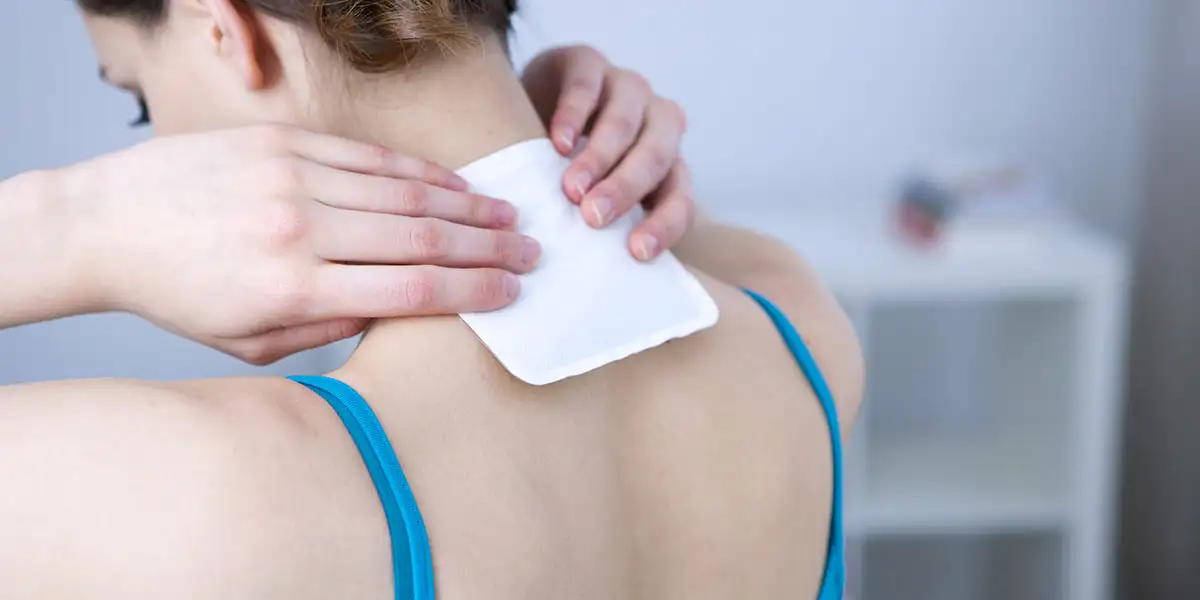
One of the best things about a heating pad is how easy it is to work into real life. You don’t need a complicated setup. You don’t need a full spa day. You don’t need to carve out a huge block of time. A heating pad can offer simple support while you wind down in the evening, read, stretch gently, or take a quiet moment after a demanding workout.
It can be especially helpful for common trouble spots like:
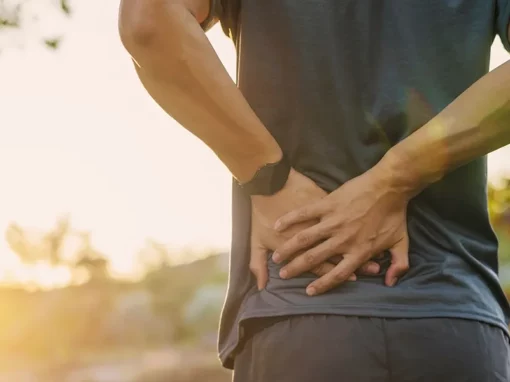
- the low back
- upper back
- shoulders
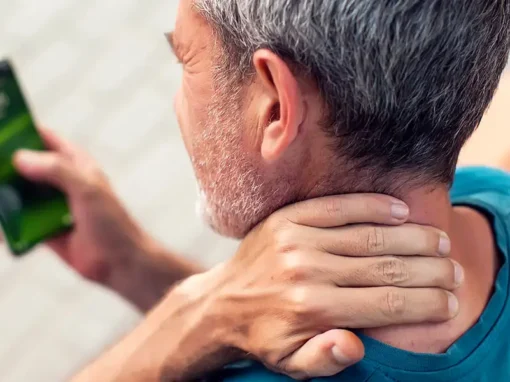
- neck
- hips
- hamstrings
- quads
For many active people, these are the areas that hold tension from both workouts and daily life. A heating pad can help soften that tension and make the body feel more at ease.
Heat Therapy and Smart Fitness Training
Strength isn’t only about how much you can lift. It’s also about how well your body handles effort, how well it recovers, and how confidently it carries you through daily life.
That’s where recovery tools like heat therapy can support the bigger picture.
When muscles stay chronically tight or sore, movement can become less efficient. Compensation patterns may develop. You may begin avoiding certain exercises, or pulling back from activities you would otherwise enjoy.
By helping reduce tension and support recovery, heat therapy can play a role in keeping you moving well. And moving well is a major part of maintaining physical capability over time.
This matters whether you’re training for an event, lifting to build muscle, walking to improve health, or simply trying to stay active and independent through the years ahead.
A body that recovers well is a body better prepared for the future.
A Quick Note About Heat Versus Ice
People often wonder whether they should use heat or ice.
In general, heat is often more helpful for muscle tightness, stiffness, and general recovery comfort. Ice is more commonly used for acute injuries, swelling, or fresh inflammation right after something happens.
If an area is newly injured, visibly swollen, or sharply inflamed, heat may not be the best first step. But for the everyday tightness and soreness that can come from training and activity, heat is often a very welcome option.
Helpful Tips for Using a Heating Pad Safely
A heating pad can be wonderfully helpful, but it is best used with some basic care.
-
Keep Sessions Moderate
About 15 to 20 minutes is often enough for one area. Longer is not always better.
-
Use Warm, Not Extreme Heat
Very high heat can irritate the skin and make the experience less helpful. Gentle, steady warmth tends to work best.
-
Do Not Fall Asleep on It
It’s best to stay awake and aware while using a heating pad, unless the product is specifically designed with safe shutoff features and directions that say otherwise.
-
Place It Where You Hold Tension
It’s best to stay awake and aware while using a heating pad, unless the product is specifically designed with safe shutoff features and directions that say otherwise.
-
Pair It With Gentle Movement
It’s best to stay awake and aware while using a heating pad, unless the product is specifically designed with safe shutoff features and directions that say otherwise.
-
Listen to Your Body
If heat makes an area feel worse, or if pain is sharp, radiating, or unexplained, it is important to get guidance rather than just pushing through.
Easy Ways to Add Heat Therapy to Your Routine
You don’t need to overhaul your life to make room for better recovery. Small routines are often the ones that last.
Here are a few simple ideas:
After leg day:
Use a heating pad on your quads or hamstrings while hydrating and refueling.
After long desk hours and training:
Place heat on your upper back or shoulders before gentle mobility work.
On recovery days:
Use a heating pad on the low back or hips while practicing slow breathing and stretching.
In the evening:
Pair heat with a calming bedtime routine to help your body unwind.
Recovery Is Part of the Performance Plan
There’s a tendency in fitness culture to celebrate only the hard part. The grind. The push. The intensity.
But the truth is, smart training isn’t just about effort. It’s about wisdom.
It’s about knowing when to challenge the body, and when to help it restore. It’s about building fitness in a way that supports not only short-term goals, but also a longer, healthier, more active life.
That kind of approach supports more than performance. It supports staying capable, energized, and engaged in the things you love.
Thrive Is Here to Help You Train Smarter
At Thrive, we offer fitness and performance training that supports the whole person, not just the workout. We want you to build strength, improve performance, recover well, and feel good in your body for the long haul.
Whether your goals are better energy, more muscle, improved endurance, healthier movement, or simply getting back into a routine that feels sustainable, we’re here to help you create a plan that fits your life.
And it’s easy to get started; book your complimentary Initial Assessment & Body Composition Analysis today.
Sometimes the smartest next step is not doing more on your own. It’s getting the right support, so your training, recovery, and results can all work together beautifully.