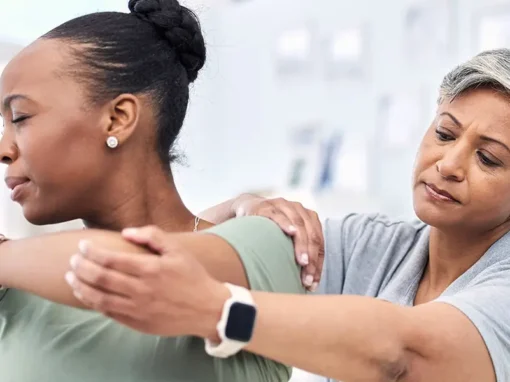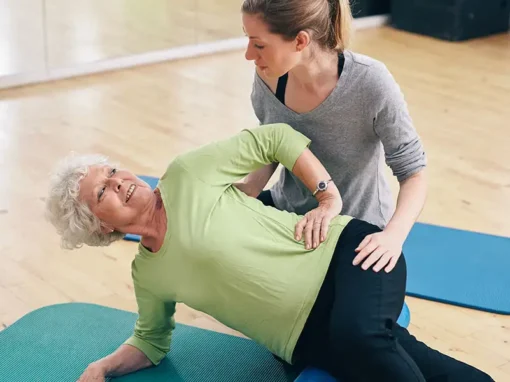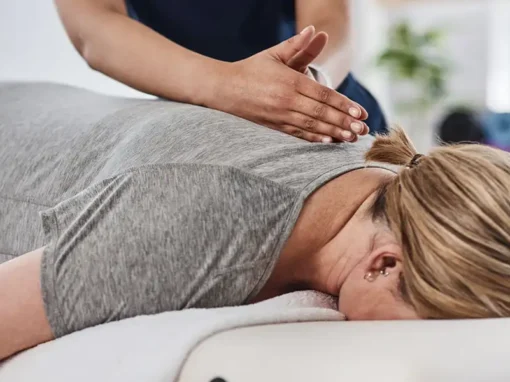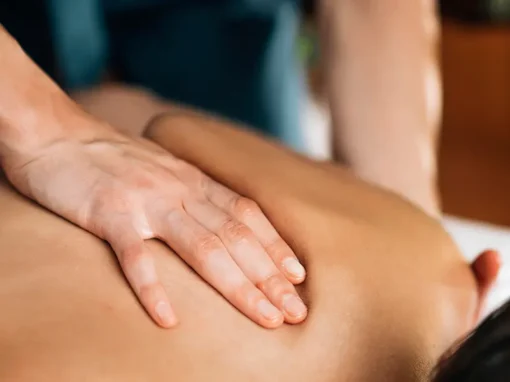

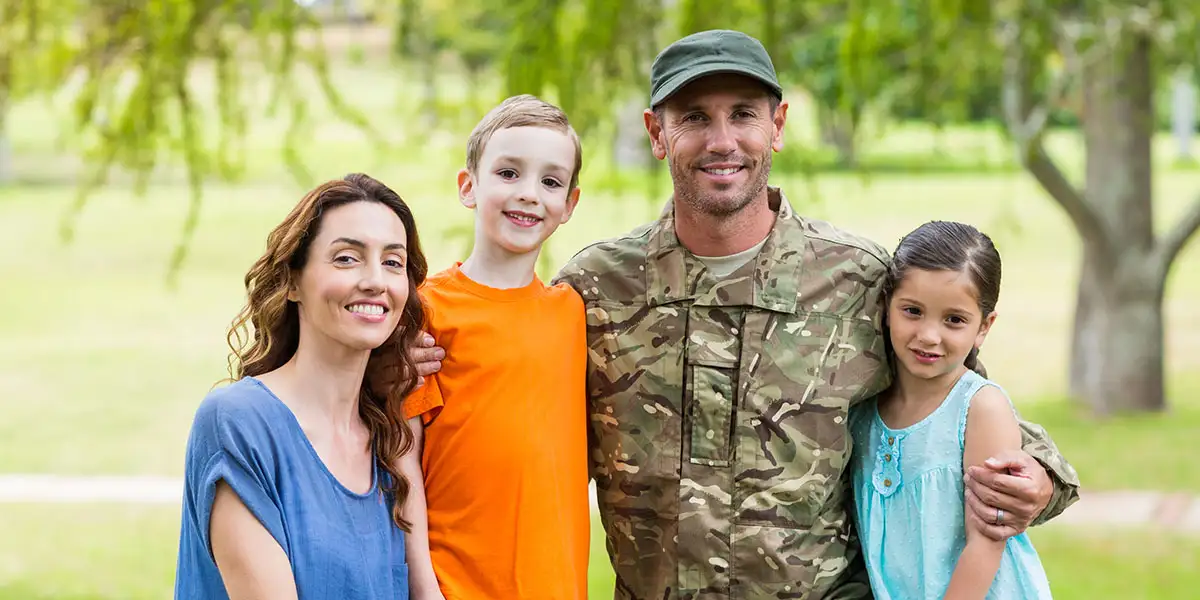
In Hampton Roads, a community rich with service members, families, and veterans, we see firsthand the dedication, strength, and resilience of military personnel. Whether you are preparing for a Physical Fitness Test, navigating the rigors of unit training, or sustaining high performance throughout your career, your body is your most vital asset. Military fitness standards continue to evolve, demanding greater endurance, mobility, and recovery. At Thrive, we are here to support you with a whole-body approach that includes targeted massage therapy as a cornerstone of optimized performance, injury prevention, and sustainable physical readiness.
This article is for service members, military spouses, and anyone who trains with intensity and purpose. Keep reading to learn why recovery matters just as much as training itself, and how massage can enhance your resilience, strength, and readiness for any mission.
Why Recovery Matters as Much as Training
It is all too common in military culture to push through discomfort, to “suck it up,” or to power through challenges. While this mindset strengthens mental toughness, it can inadvertently contribute to overuse injuries, chronic soreness, and fatigue that ultimately impair performance.
Here are a few reasons why recovery deserves intentional focus:
1. Muscles Need Time to Rebuild
Every time you train, especially in high-intensity sessions or extended physical activity, microscopic damage occurs in muscle fibers. This is a normal part of adaptation that leads to stronger muscles. However, if training happens without adequate recovery, those microtears can accumulate, leading to soreness, stiffness, and risk of strain.
2. Nervous System Fatigue is Real
Your central nervous system (CNS) drives every movement you make. Heavy training, high stress, and inadequate rest can tire the CNS just as much as your muscles. When your nervous system is fatigued, reactions slow, balance wavers, and technique can falter.
3. Flexibility and Mobility Influence Performance
Tight muscles and restricted fascia (the connective tissue surrounding muscles) limit range of motion, reduce power output, and increase injury risk. Mobility is not just about stretching, it is about maintaining functional movement so you can perform efficiently and safely.
4. Recovery Enhances Long-Term Resilience
Proper recovery helps maintain consistent performance during training cycles, prevents injury downtime, and supports better sleep, mood, and overall health. Recovery is an investment in longevity and mission readiness.
What Massage Therapy Actually Does for Your Body
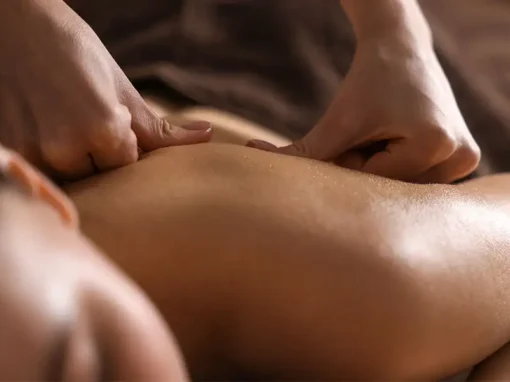
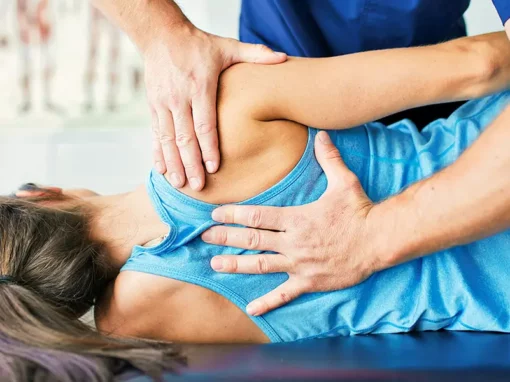
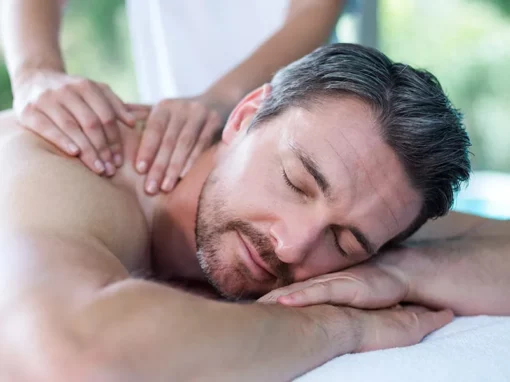
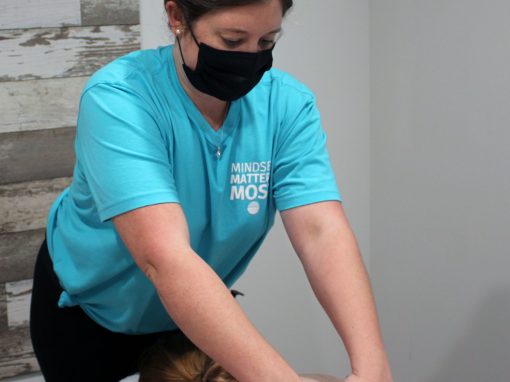
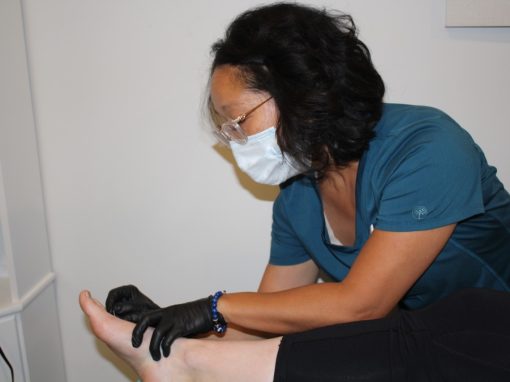
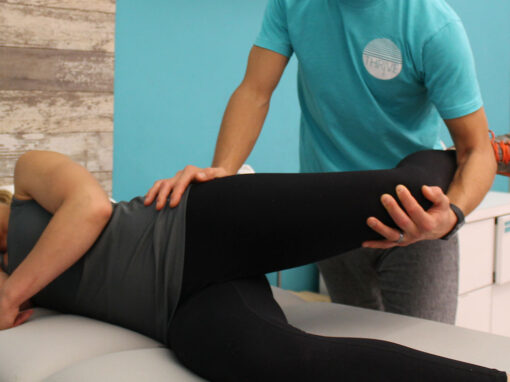
Massage therapy is more than a luxury or a brief moment of relaxation. When delivered with skill and intention, it is a powerful tool for physical restoration. At Thrive Proactive Health, our therapists are trained in strategies that complement athletic and tactical performance goals.
Here are the key ways massage supports military training:
-
Improves Circulation and Tissue Health
Massage increases blood flow to muscles and surrounding tissues. Better circulation delivers oxygen and nutrients needed for repair while helping clear metabolic waste that contributes to soreness.
Whether preparing for a long ruck march or recovering from sprint repeats, enhanced circulation accelerates your body’s natural healing process.
-
Reduces Muscle Tension and Soreness
Intense training can leave muscles tight, knotted, and uncomfortable. Targeted massage techniques help release muscle tension, reduce stiffness, and restore ease of movement. This isn’t about “just feeling good”; it is about improving your physical capacity and range of motion.
-
Enhances Flexibility and Joint Function
Tight muscles and fascia restrict mobility, which can compromise technique, increase energy costs, and raise injury risk. Regular massage helps lengthen muscle fibers and maintain healthy connective tissue, enhancing your ability to move efficiently.
-
Supports Nervous System Recovery
Massage stimulates the parasympathetic nervous system, the branch responsible for rest and recovery. After a demanding week of training, a therapeutic session can help lower stress hormones, promote calm, and support better sleep patterns.
-
Prevents Injury Before It Starts
By addressing areas of tension before they become pain or dysfunction, massage therapy acts as preventive care. Think of it as regular maintenance for your body, keeping small issues from becoming big setbacks.
Massage for Specific Military Demands
Let’s look at how massage helps with the specific physical challenges that many service members face.
Rucking and Load Bearing
Rucking with weight places significant strain on the lower back, hips, and shoulders. Repetitive load bearing can tighten the traps, hamstrings, hip flexors, and calves.
Massage helps by:
- Loosening tight posterior muscles
- Reducing compensatory patterns that can lead to pain
- Supporting recovery between long-distance rucks
Running and Sprint Drills
Training for timed runs or sprint-drag-carry events stresses the calves, quads, IT band, and lower back.
Massage contributes by:
- Relieving tightness in calf muscles and hamstrings
- Improving soft tissue mobility along the kinetic chain
- Supporting smoother running mechanics
Strength Training and Lifts
Squats, deadlifts, presses, and weighted carries challenge muscle groups across the body.
Massage benefits include:
- Reducing muscle knots that restrict performance
- Supporting range of motion in shoulders, hips, and spine
- Enhancing recovery between lifting sessions
How Massage Fits Into a Whole-Body Approach at Thrive
At Thrive Proactive Health, we take a whole-body perspective. Massage therapy is one powerful pillar, but we combine it with other tools tailored to your goals and needs.
Here’s how we support you:
1. Personalized Assessment
Every body is different. We begin with a comprehensive evaluation to understand your movement patterns, training schedule, injury history, and performance goals. This helps us tailor massage and other therapies to what will benefit you most.
2. Integrated Therapies
Massage is most effective when integrated with other supportive services such as:
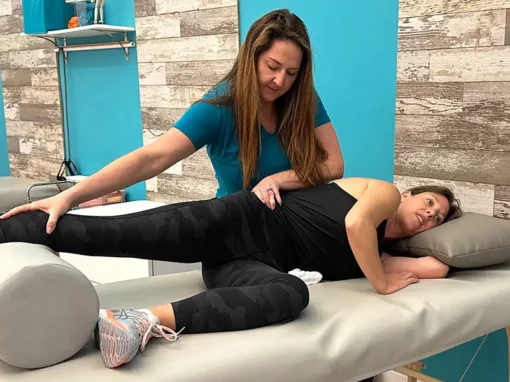
- Chiropractic care that improves spinal alignment and joint mobility
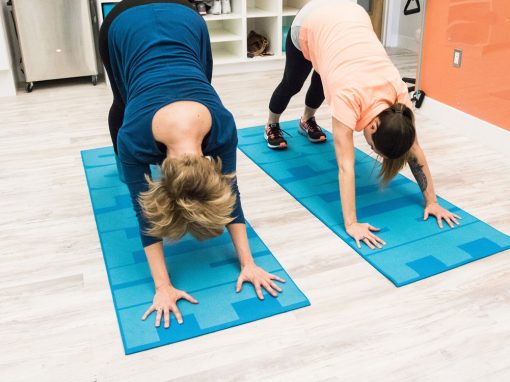
- Functional movement training to optimize mechanics and prevent compensations
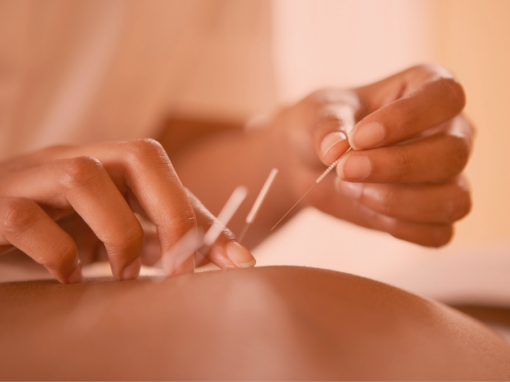
- Acupuncture to support recovery and relieve inflammation
- Nutritional guidance for fueling training and repair
This integrated model ensures that your recovery is efficient, coordinated, and in sync with your fitness goals.
3. Education and Self-Care Strategies
We give you tools to support what we do in the clinic. This includes:
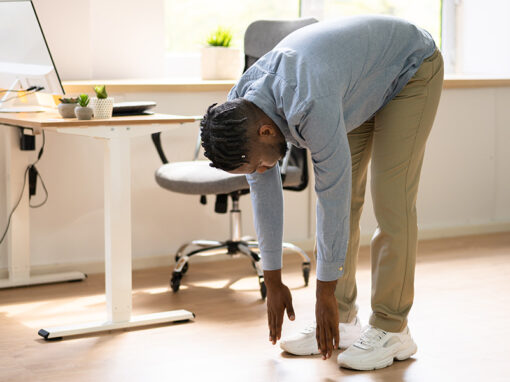
- Mobility drills tailored to your needs
- Hydration and nutrition strategies to support tissue repair
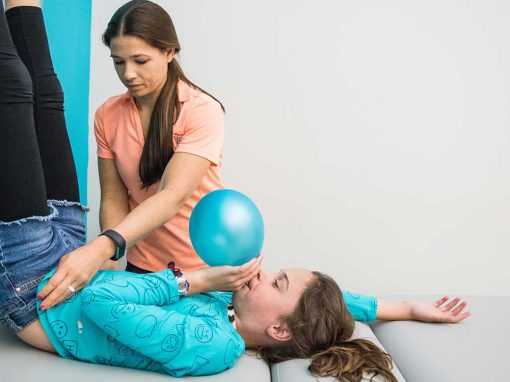
- Breathing techniques to reset your nervous system
- Foam rolling and stretching routines for between sessions
Our goal is to empower you with knowledge and practices that extend your capacity outside of the treatment rooms.
4. Consistency and Progress Tracking
Recovery is not a one-time event. We help you build a plan that supports consistent recovery across training cycles, peak performance periods, and rest phases. Together we track progress so that your enhanced performance becomes measurable and sustainable.
Real Results, Real Readiness
Service members who incorporate regular massage into their training regimen often report:
- Faster recovery between workouts and training events
- Fewer injuries and less chronic soreness
- Improved mobility and flexibility
- Better sleep quality and stress resilience
- Increased confidence in physical readiness
When your body moves well, performs well, and recovers well, everything else becomes easier. You feel stronger, more capable, and more prepared for whatever mission lies ahead.
While the physical benefits are powerful, massage also supports mental and emotional resilience.
Military life demands adaptability, focus, and composure under pressure. The nervous system regulation that comes with massage enhances your ability to relax, manage stress, and stay centered.
This mental recovery contributes to better training outcomes, improved decision making, and greater overall wellbeing. When your mind and body are aligned, performance becomes more consistent and less stressful.
You Have a Mission. We’re Here to Support It.
If you’re ready to experience the benefits of massage as part of a comprehensive recovery plan, we’re here for you. Let’s work together to keep your body strong, your recovery efficient, and your performance at its best.
Reach out to Thrive today to schedule your massage therapy session and begin a personalized recovery strategy. Your mission matters, and so does your health. Let’s elevate your readiness from the inside out.