

Pinched nerve pain has a way of getting your attention fast.
Maybe it’s a sharp zap down your arm when you turn your head. Maybe your hand keeps going numb at night. Maybe your low back feels tight, and then suddenly you get that burning, shooting pain into your hip or leg. It can feel alarming, and it can also feel unfair, especially when it shows up in the middle of everyday life.
If you are searching things like “pinched nerve symptoms,” “how to relieve a pinched nerve,” “sciatica pain,” or “numbness and tingling,” you’re in very good company. The good news is that many pinched-nerve-style symptoms respond extremely well to conservative care, especially physical therapy, when the plan is tailored to what is actually driving your symptoms.
What Is a Pinched Nerve, Really?
“Pinched nerve” is a popular phrase, but it is not a single diagnosis. Most of the time, it refers to a nerve that is irritated, compressed, or overly sensitive somewhere along its pathway.
There are two common places:
1) A pinched nerve at the spine (radiculopathy)
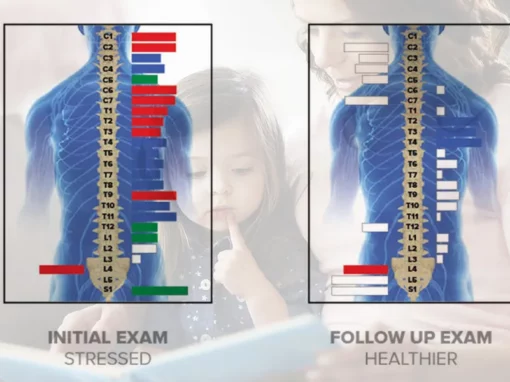
This happens when a nerve root becomes irritated or compressed where it exits the spine. It can occur in the neck (cervical), mid-back (thoracic), or low back (lumbar). This often creates symptoms that radiate outward into an arm or leg.
2) A pinched nerve away from the spine (peripheral nerve entrapment)
This happens when a nerve is compressed further out in the body, like:
- Carpal tunnel syndrome at the wrist (median nerve)
- Cubital tunnel syndrome at the elbow (ulnar nerve)
These issues can also create tingling, numbness, and pain in very predictable patterns.
A helpful way to think of it is this: A nerve is like a “communication cable.” When it is irritated, the messages can get noisy, and your body may respond with pain, tingling, numbness, or weakness.
What Causes a Pinched Nerve?
There isn’t one single cause. In real life, it’s often a blend of structure, strain, inflammation, and the way you move through your day. Here are the most common contributors:
-
Disc Bulge or Herniation
In the spine, a disc can bulge or herniate and irritate a nearby nerve root. That can lead to symptoms like sciatica (leg pain) or cervical radiculopathy (arm pain).
-
Wear-and-Tear Changes and Spinal Stenosis
Over time, joints can stiffen, tissues can thicken, and bone spurs can form. This can reduce space around nerves and create symptoms that flare with certain positions, like standing, walking, or looking up.
-
Repetitive Strain and Posture Patterns
Repetitive tasks, long hours at a desk, frequent gripping, overhead work, or even sleeping in the wrong position can keep a nerve irritated. This is common with neck and upper extremity symptoms, and with carpal tunnel patterns.
-
Tight or Uncoordinated Surrounding Tissues
Nerves are designed to glide as you move. When nearby tissues are stiff, inflamed, or not coordinating well, nerves can become more mechanically sensitive. This is why people often search for “nerve flossing” or “nerve gliding exercises,” although these should be matched carefully to the right condition and irritability level.
-
Local Pressure or Swelling
Leaning on elbows for long periods, prolonged wrist flexion, tight braces, inflammation after an injury, or repetitive compression can irritate peripheral nerves.
How Physical Therapy Helps a Pinched Nerve
Physical therapy does not just chase symptoms. A good PT plan aims to:
- Calm the nerve down
- Remove the triggers that keep it irritated
- Build strength, mobility, and confidence so it stays better
Here’s what that often looks like:
-
Getting the “Where and Why” Right
Physical therapists look at:
- Your symptom map (where it starts, where it travels, what makes it worse, what helps)
- Strength, reflexes, and sensation
- Range of motion in the spine and joints
- Movement patterns that may be repeatedly stressing the area
-
Relief Strategies That Fit Your Real Life
This is where people often feel seen, because the plan becomes practical.
PT commonly includes:
- Sleep positioning tips (especially for nighttime tingling or arm pain)
- Workstation and posture tweaks that reduce repeated strain
- A flare-up strategy, so you know what to do when symptoms spike
- Activity modification that keeps you moving without feeding the pain cycle
-
Targeted Mobility and “Nerve-Friendly” Movement
Depending on your pattern, your therapist may use:
- Gentle mobility to reduce pressure and irritation
- Directional exercises (some people improve with extension-based movements, others with flexion-based approaches)
- Carefully dosed nerve gliding (exercises that stretch nerves) when appropriate
A key detail: If the nerve is very irritable, aggressive stretching can backfire. The goal is calm, steady progress, not “push through it.”
-
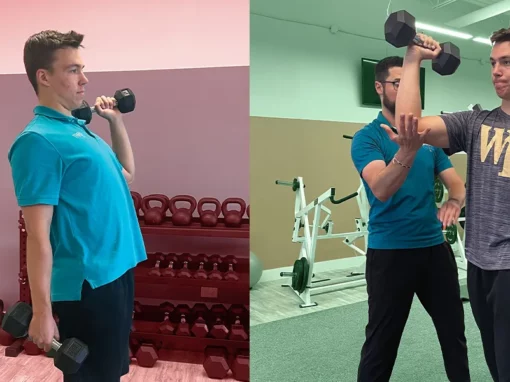
Strength and Control to Stop the Cycle
When pain has been around for a while, the body often adapts by guarding, compensating, and moving differently. PT helps you rebuild strength and coordination so the irritated area is not repeatedly overloaded.
That might include:
- Scapular and upper back strengthening for neck and arm symptoms
- Core and hip strength for low back and leg symptoms
- Grip, forearm, and shoulder mechanics for repetitive strain patterns
-
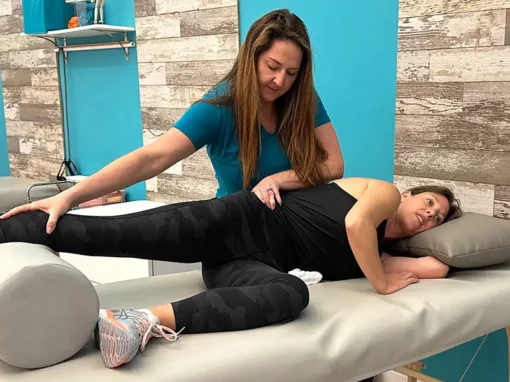
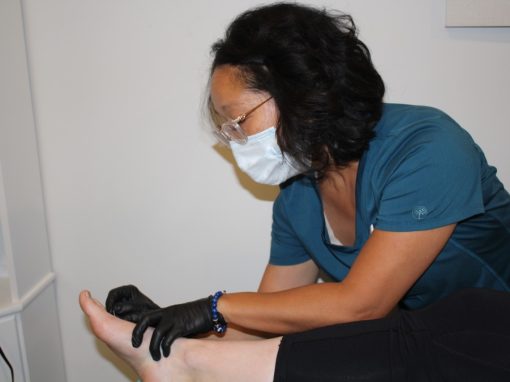
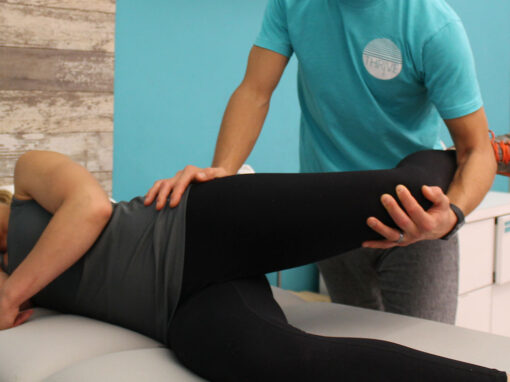
Manual Therapy When It’s a Good Match
Some people respond well to hands-on care alongside exercise, such as:
- Joint mobilization
- Soft-tissue techniques
- Traction-based strategies for select presentations
- Symptom management tools that help you move more comfortably
The important part is that hands-on care should support the long game, not replace it.
-
A Plan to Get You Back to What You Love
This is the heart of it.
Whether you want to sit through a workday without pain, sleep through the night, lift your kids, train at the gym, run, or simply take a walk without worrying about symptoms, PT can map out a gradual, safe return.
Who Benefits Most From Physical Therapy for Pinched Nerve Pain?
Physical therapy can help a wide range of people, but it is especially valuable if you relate to one or more of these:
You Have Radiating Symptoms
If your pain or tingling travels:
- From neck into arm/hand, or
- From back into hip/leg/foot (classic sciatica patterns)
PT is often very effective at reducing symptoms and restoring function, especially when care starts before the body gets stuck in a prolonged protection pattern.
You Have Numbness and Tingling That Keeps Returning
Recurring numbness is not something you should just “live with.” When it is addressed early, it is often much easier to settle.
You Have Work or Lifestyle Triggers
Desk work, driving, repetitive lifting, frequent gripping, overhead activity, and certain sleep positions can keep things going. PT helps you keep doing your life, but with fewer flare-ups.
You Want a Conservative Approach Before More Invasive Options
Many people want to feel confident that they have fully explored conservative care, including a structured rehabilitation plan, before considering injections or procedures.
Next Steps
If you’re dealing with shooting pain, numbness, tingling, or weakness, you don’t have to keep guessing or cycling through random internet tips. A targeted plan can make a real difference, and it often starts with one good evaluation.
Make an appointment for a physical therapy session at Thrive today. We will listen carefully, assess what’s driving your symptoms, and build a plan that helps you move better, feel safer in your body, and get back to your day with more ease.