

Breathing is one of those miraculous body functions that we do without thinking about it. Every day, we breathe in and out roughly 22,000 times, sending life‑giving oxygen to every organ while removing carbon dioxide, a waste product of metabolism. Most of us never pause to consider how each breath influences our body’s systems, especially our heart. In truth, how we breathe can profoundly affect our health, from our stress levels to our blood pressure, from our nervous system to the way our heart functions. When we intentionally change the pattern of our breath, we unlock a powerful tool that supports heart health, emotional balance, and overall resilience.
How Breath and Heart Health Are Connected
At first glance, the lungs and heart might seem like separate systems. The lungs handle breathing while the heart manages circulation. In reality, they work in seamless partnership. Every breath affects the heart’s rhythm, blood pressure, and the way your nervous system responds to stress.
When we inhale, our diaphragm contracts and pulls air into the lungs. This action lowers pressure inside the chest, allowing more blood to return to the heart and temporarily influencing heart rate. Conversely, during exhalation, pressure changes help slow the heart rate as blood circulates out to the body. This natural variation in heart rate tied to breathing is called respiratory sinus arrhythmia, and it reflects how closely linked breathing and cardiac function truly are.
Beyond this moment‑to‑moment interaction, the pattern of breathing affects the autonomic nervous system, which governs stress responses and heart rhythm. Slow, deep breathing stimulates the parasympathetic nervous system — the “rest and digest” side of our nervous system — helping to lower heart rate and support relaxation. However, when stress triggers the fight‑or‑flight response, breathing becomes shallow and rapid, contributing to increased heart rate and blood pressure, which over time can strain the cardiovascular system.
What the American Heart Association Says About Breathing and Heart Health
The American Heart Association (AHA), a leading nonprofit dedicated to cardiovascular health in the United States, highlights the value of controlled breathing in managing stress and supporting overall wellness. They emphasize that taking slow, deep breaths can prompt many positive physical responses, such as helping manage stress, lowering blood pressure, and sending more oxygen to organs.
In fact, the AHA’s “Breathing Brings Benefits” campaign notes:
- Deep breathing can help manage stress and even pain.
- It can reduce feelings of anxiety and depression.
- It may stabilize or lower blood pressure.
- It affects the nervous system to promote a sense of calm.
These are not just feel‑good effects; they align with the public health goal of preventing chronic stress and high blood pressure, two major contributors to heart disease. Learning stress‑management techniques, including breathing exercises, is part of the AHA’s advice for heart health across the lifespan.
While breathing practices are not a standalone treatment for medical conditions such as hypertension, evidence suggests that they can support healthy blood pressure levels when paired with lifestyle changes and medical care as needed.
Breathing Patterns That Affect the Heart
Not all breathing is created equal. Patterns vary from shallow, rapid breaths in the chest area to slow, deep diaphragmatic breaths. Here’s how different styles influence your physiology:
Shallow, Rapid Breathing
- Often a response to stress or anxiety.
- Draws less oxygen into the lungs.
- Can trigger faster heart rate and higher blood pressure.
- Reinforces the stress response.
Deep, Slow Breathing
- Encourages full oxygen exchange.
- Helps activate the parasympathetic nervous system.
- Can decrease heart rate and support lower blood pressure.
- Enhances heart rate variability (HRV), a marker of cardiovascular adaptability and resilience.
Higher HRV is generally associated with better heart health and stress management, while low HRV can indicate chronic stress or cardiovascular strain.
Breathing Exercises to Support Heart Health
Below are several simple, evidence‑based breathing practices you can incorporate into your daily routine. These exercises are accessible to most people and can be a powerful complement to your health activities.
-
4‑7‑8 Breathing
This calming rhythmic pattern can support stress reduction and bring your heart rate into balance.
- Sit or lie comfortably.
- Inhale quietly through your nose for a count of 4.
- Hold your breath for a count of 7.
- Exhale completely through your mouth for a count of 8.
- Repeat this cycle 4 times.
As the AHA notes, the 4‑7‑8 method is a controlled breathing technique that may help create and maintain a sense of calm.
-
Diaphragmatic (Belly) Breathing
This exercise engages the diaphragm and takes pressure off accessory muscles in the neck and shoulders:
- Lie on your back or sit comfortably.
- Place one hand on your chest and the other on your belly.
- Inhale slowly through your nose, letting your belly rise more than your chest.
- Exhale through pursed lips, allowing the belly to fall.
- Continue for 5 to 10 minutes, focusing on slow, deep breaths.
-
Box Breathing (Square Breathing)
This technique is great for focus and stress reduction:
- Inhale through your nose for a count of 4.
- Hold the breath for a count of 4.
- Exhale slowly for 4.
- Pause with empty lungs for 4.
- Repeat for 3 to 5 cycles.
-
Breath Awareness Meditation
This practice combines mindfulness with deep breathing:
- Find a quiet place to sit comfortably.
- Breathe naturally and pay attention to each inhale and exhale.
- If your mind wanders, gently bring it back to the sensation of breath.
- Continue for 5 to 10 minutes.
Breathing Therapy at Thrive
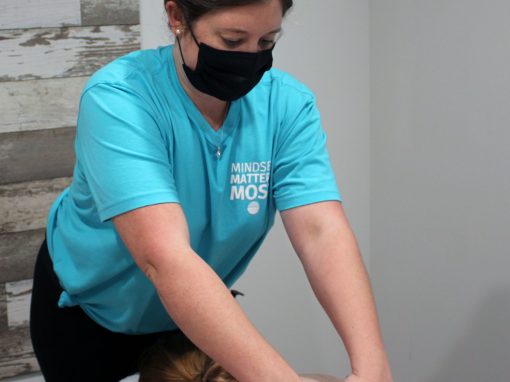
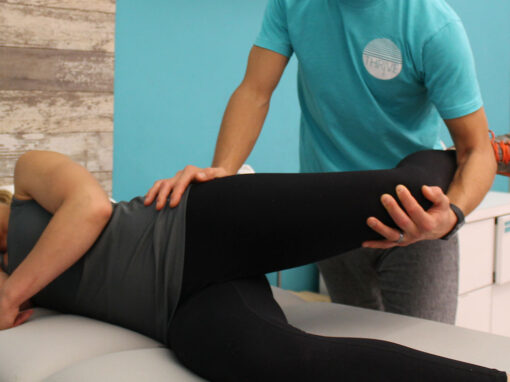
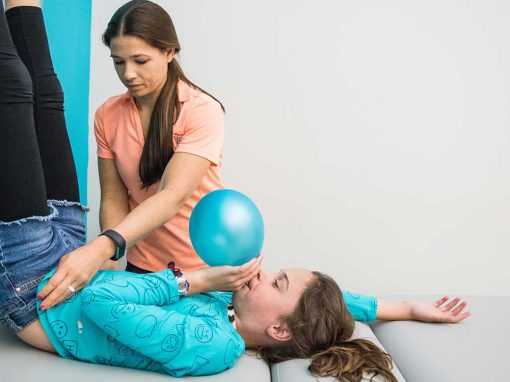
At Thrive, we take a personalized, supportive approach to breathing therapy as part of our holistic care. We begin with understanding your current breathing patterns, stress triggers, lifestyle habits, and health goals. Then, breathing therapy is integrated with other aspects of Thrive care. Our approach is grounded in evidence, warm in delivery, and supportive of long‑term physical health and emotional wellbeing.
Bringing It All Together
Breathing is more than a life‑sustaining reflex, it’s a powerful gateway to heart health. When we learn to breathe with awareness and intention, we tap into the body’s natural capacity to manage stress, regulate blood pressure, and support the heart’s rhythm.
Whether you practice 4‑7‑8 breathing in the morning, use diaphragmatic breath during breaks, or engage in guided therapy here at Thrive, small changes in how you breathe can create lasting benefits for your heart and your life.
If your goal is a healthier, calmer heart, you have a powerful tool already within you. Breathe deeper, breathe more mindfully, and let each breath become a step toward a healthier heart and a more vibrant you. And if you want some guidance, reach out and book your free screening today!