
If nutrition had a backstage crew, fiber would be the stage manager. Not flashy, not loud, rarely the one getting applause, but quietly making the whole show run smoothly. It keeps things moving (yes, that kind of moving), helps your meals feel satisfying, supports steady energy, and plays a surprisingly big role in healthy weight loss.
And yet, fiber is often the first thing to disappear when life gets busy. We grab “quick” foods, snack our way through meetings, and suddenly the daily menu looks like coffee, crackers, and chaos.
The good news is that fiber is one of the most practical, reliable foundations you can build for better health and sustainable weight loss. No gimmicks. No “perfect” meal plans required. Just a steady shift toward foods that help your body feel full, balanced, and well-supported.
What Exactly IS Fiber?
Fiber is the part of plant foods that your body cannot fully digest. Instead of being broken down and absorbed like carbs, fats, and proteins, fiber travels through your digestive system doing important work along the way.
There are two main types:
1.
Soluble Fiber
Soluble fiber dissolves in water and forms a gel-like substance in your gut. This can:
- Slow digestion (hello, longer-lasting fullness)
- Support steadier blood sugar
- Help lower LDL cholesterol in many people
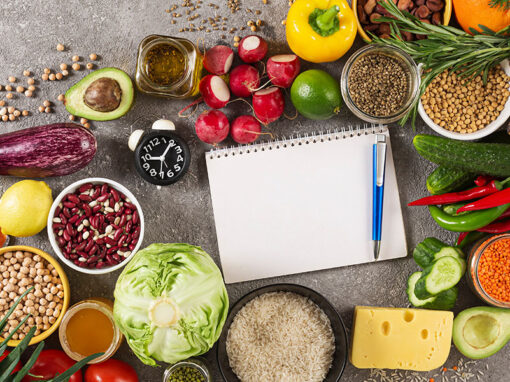
Where it lives: oats, beans, lentils, chia seeds, flax, apples, citrus, carrots, barley.
2.
Insoluble Fiber
Insoluble fiber does not dissolve in water. It adds bulk and helps move food through the digestive tract, supporting regularity.
Where it lives: whole grains, nuts, seeds, leafy greens, broccoli, cauliflower, green beans, and many vegetable skins.
Most plant foods contain a blend of both, and your body tends to thrive when you get a variety.
Why Fiber Is the Foundation of Strong Nutrition
Fiber isn’t just about digestion. It’s about how your whole day feels.
When your meals are low in fiber, you often notice:
- Hunger returning quickly
- Snack cravings ramping up
- Energy crashes after eating
- Feeling like you are “trying hard” to eat well, but staying unsatisfied
Fiber helps anchor your meals so they feel more substantial and steady. It brings a kind of calm to the nutrition conversation because you are not constantly fighting your appetite.
Think of fiber as the structure in your eating pattern, like the frame of a house. You can decorate in a lot of ways, but without structure, everything feels wobbly.
The Real Magic is How Fiber Affects Healthy Weight Loss
A lot of weight loss advice focuses on restriction. Fiber flips that script and focuses on addition: Add foods that help you feel satisfied and supported, and the rest often becomes easier.
Here’s how fiber supports healthy weight loss in a way that feels sustainable:
-
Fiber helps you feel full without feeling deprived.
This is one reason why a bowl of oatmeal with berries can keep you going, but a pastry can leave you hungry again an hour later. Same “breakfast category,” wildly different staying power.
-
Fiber supports steadier blood sugar.
That does not mean you need to fear carbohydrates. It means you want carbohydrates that come with friends, like fiber, protein, and healthy fats.
-
Fiber supports your gut microbiome.
This is not “woo-woo.” This is biology. Your gut is a busy little neighborhood, and fiber is a major food source for many of the helpful residents.
-
Fiber helps meals feel more satisfying psychologically.
Healthy weight loss works best when your plan is aligned with your physiology and your life, not when you’re white-knuckling your way through hunger.
How Much Fiber Do You Need?
Most adults benefit from roughly 25 to 38 grams of fiber per day, depending on body size, sex, and overall needs. Many people get far less than that, especially if meals lean heavily on refined grains, snack foods, and grab-and-go options.
You might benefit from more fiber if you notice:
- You’re hungry soon after meals.
- You have frequent cravings for sweets or snacks.
- Your digestion feels sluggish or inconsistent.
- You struggle to hit a comfortable calorie intake without feeling deprived.
- You feel like your meals are “light” even when you eat enough.
Fiber isn’t the only piece of the puzzle, but it’s a common missing link.
The Fiber All-Stars: Foods That Make It Easy
Here are some fiber-rich options that are easy choices…
Breakfast
- Oatmeal with berries and chia
- Greek yogurt with raspberries, flax, and a sprinkle of granola
- Whole grain toast with avocado and a side of fruit
- Smoothie with spinach, frozen berries, chia, and protein
Lunch
- Big salad with beans or lentils
- Whole grain wrap with veggies and hummus
- Leftover roasted veggies with quinoa and chicken or tofu
- Chili, soup, or stew packed with vegetables and beans
Dinner
- Salmon with roasted broccoli and sweet potato
- Stir-fry with mixed vegetables over brown rice
- Tacos with black beans, cabbage slaw, salsa, and avocado
- Lentil pasta with marinara and a mountain of sautéed greens
Snacks
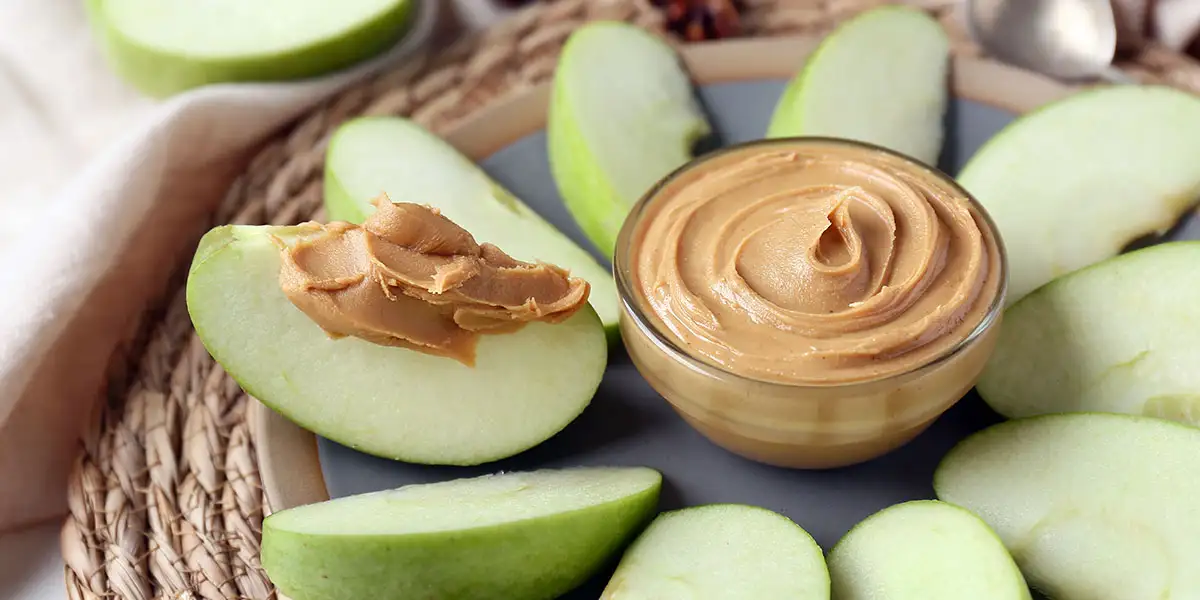
- Apple with peanut butter
- Carrots and hummus
- Popcorn (yes, popcorn is a whole grain)
- Edamame
- Pears, berries, oranges
A simple rule that works: If it grew from the ground and still looks like it, it probably has fiber.
A Gentle Warning: More Fiber Needs More Water
If you increase fiber quickly without enough fluids, you can feel bloated or backed up. Fiber works best when it has water to partner with.
A comfortable strategy could be:
- Increase fiber gradually over one to two weeks
- Add an extra glass of water when you add a high-fiber food
- Focus on cooked veggies if raw salads feel too intense at first
Your gut tends to appreciate a thoughtful transition.
Where Thrive’s Nutrition Coaching Fits In
Fiber sounds simple, but real life is where it gets complicated.
You might be thinking:
- “I know what to eat, but I can’t stick with it.”
- “I do great all day, but the evenings are when I unravel.”
- “I want weight loss, but I refuse to live on salads.”
- “My digestion is sensitive, and fiber feels tricky.”
- “I’m overwhelmed by conflicting nutrition advice.”
That is exactly where Thrive’s nutrition coaching can make a difference.
At Thrive, nutrition coaching isn’t about handing you a generic plan and wishing you luck. It’s about building a strategy that matches your goals, your schedule, your preferences, and your body’s feedback. Fiber can be a major pillar of the plan, but the bigger goal is helping you feel confident and consistent.
A coach can help you:
- Increase fiber in a way that supports digestion, not discomfort
- Build meals you actually enjoy
- Create a realistic grocery and meal rhythm
- Manage cravings with steady, satisfying nutrition
- Navigate travel, social events, and busy seasons without falling into “all-or-nothing” thinking
- Set weight loss goals that are sustainable and supportive
If you want a foundation that lasts, coaching is often the bridge between knowing and doing.
And if you are exploring a more whole-person, root-cause approach, Thrive’s philosophy aligns well with Thrivestyle Medicine™, where lifestyle factors such as nutrition, movement, sleep, and stress support long-term health.
A Fun Fiber Challenge You Can Start Today
Here’s a challenge… Try this for the next seven days:
The 2-2-1 Plate
At lunch or dinner, aim for:
- Two different vegetables
- Two sources of fiber overall (for example, vegetables + beans, or vegetables + whole grain)
- One solid protein source
Examples:
- Chicken + roasted broccoli + peppers + quinoa
- Salmon + asparagus + salad + sweet potato
- Tofu + stir-fry veggies + brown rice
- Turkey taco bowl + lettuce + salsa + black beans
You don’t need perfection. You just need reps.
Fiber Makes Healthy Weight Loss Feel More Human
Fiber is not a trendy hack. It is a steady, reliable support for appetite, digestion, energy, and metabolic health. When fiber is present, healthy eating often feels easier because your body feels more satisfied.
If you want to build a strong nutrition foundation and support healthy weight loss without feeling like you’re constantly starting over, start with fiber. Add plants. Add beans. Add whole grains. Add fruit. Build meals that leave you feeling calm and steady.
And if you want support making that real in your daily life, Thrive’s nutrition coaching can help you turn smart ideas into consistent habits that fit your schedule and your goals. Get started today with our Initial Health & Nutrition Evaluation + Plan, and our certified nutritionist can help get you on the right path.