

If you have ever experienced the discomfort of bloating after a meal, the nagging flame of heartburn, or the unpredictable rhythm of constipation and diarrhea, you are far from alone. Many of us will struggle with some form of digestive complications at one time or another. Often these issues are connected to our diet and lifestyle. Yet for some, the symptoms become chronic, persistent, or severe enough that over-the-counter remedies and medications no longer feel like a long term solution. That is where acupuncture and Traditional Chinese Medicine (TCM) can offer a gentle, rooted, and effective path back to balance.
Understanding Digestive Imbalances Through TCM
In Western medicine, digestion is often talked about in terms of enzymes, acids, and microbiota. While these elements are important, TCM takes a different yet deeply insightful perspective. In the body’s energy system described by TCM, digestion is governed primarily by the spleen, stomach, and liver.
The Spleen and Stomach
In TCM, the spleen and stomach are the central organs responsible for transforming food into energy and nourishing substances. The spleen is seen as the source of “postnatal qi” or the energy we derive from the food we eat. When the spleen is functioning well, digestion is strong, energy levels are stable, and the body can draw nourishment efficiently. The stomach works closely with the spleen to receive and transform food and fluids.
The Liver
The liver in TCM is closely associated with the smooth flow of qi, especially the movement and processing of emotions. When liver qi becomes stagnant, it can interfere with digestive harmony and create symptoms like bloating, gas, or alternating constipation and diarrhea. Stress often plays a large role in disrupting the liver’s ability to harmonize the body.
When the energetic relationships between these organs become imbalanced, the result can be a range of digestive symptoms such as:
- Abdominal pain
- Heartburn or acid reflux
- Bloating and gas
- Nausea
- Constipation
- Diarrhea
Rather than suppress symptoms, TCM seeks to restore balance to the entire system. A proper diagnosis is individualized, comprehensive, and tailored to your specific pattern of imbalance.
What Happens in a TCM Diagnosis
At Thrive Proactive Health, your first step toward digestive wellness begins with a thoughtful and thorough assessment. A TCM diagnosis is not just about naming a symptom. It is about uncovering the root pattern that gives rise to that symptom.
Here’s how we approach it:
Listening to Your Story
We begin by asking detailed questions about your health history and your digestive experience. What specific symptoms do you have? Are they constant or do they come and go? Are they worse after certain foods or at different times of the day? We will ask about your general energy levels, mood, sleep quality, and stress. All of these details are threads that help reveal the bigger picture.
Observing Tongue and Pulse
Two unique diagnostic tools in TCM are tongue and pulse diagnosis. The tongue can show signs of heat, dampness, or stagnation through its color, shape, coating, and texture. Pulse diagnosis offers insight into how qi and blood are flowing throughout your system. These observations help refine the diagnosis and guide the best treatment plan for you.
With this foundation, we are ready to create a treatment plan that supports your body’s return to harmony.
Acupuncture: More Than Needles
When many people think of acupuncture, they imagine tiny needles placed across the body. While that is part of the experience, acupuncture is far more than just needles. It is a precise, intentional, therapeutic strategy rooted in ancient wisdom and supported by modern research.
How Acupuncture Supports Digestion
A typical acupuncture session for digestive concerns involves a thoughtful selection of acupoints chosen to address the specific imbalances in your body. These points are selected to restore harmony between the spleen, stomach, and liver. Treatment strategies often include:
- Reducing food accumulation
Some digestive issues stem from the stagnation or delayed movement of food through the digestive tract. Acupuncture can encourage smoother digestive movement, easing discomfort, gas, and fullness. - Clearing heat/fire
When inflammation or irritation is present, acupuncture can help to calm internal heat that contributes to symptoms like burning sensations or acid reflux. - Draining dampness
TCM uses the concept of “dampness” to describe stagnation, heaviness, or fluid imbalance that can create bloating and loose stools. Specific acupoints help the body move out excess dampness. - Boosting digestive fire
This refers to strengthening the functional energy of the spleen and stomach so that digestion becomes more efficient and comfortable.
Each session is tailored to your needs because the energetic pattern in one person can be very different from another person who appears to have similar symptoms.
What to Expect During Treatment
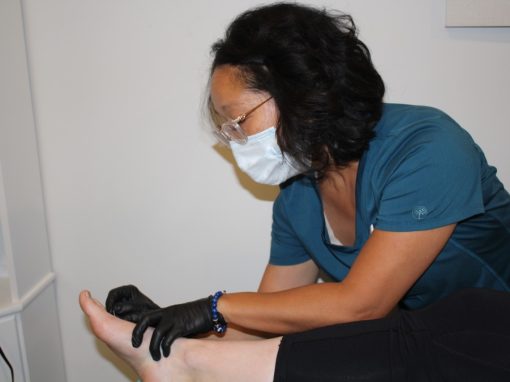
Your acupuncture session will begin with a consultation to understand how you have been feeling and to track any progress or changes since your last visit. Then you will relax on a comfortable treatment table while thin, sterile needles are gently placed in precise locations. Most clients feel little to no discomfort from the needles. Many people experience a deep sense of relaxation, warmth, or tingling as qi starts to move and balance is restored.
Sessions typically last between 45 and 60 minutes. In many cases, benefits can be noticed in as little as one to two treatments. However, more complex or long standing conditions may require a series of sessions to achieve lasting change.
The Power of Chinese Herbal Medicine
Alongside acupuncture, Chinese herbal medicine offers a rich resource for supporting digestion. Herbal formulas are chosen for their ability to harmonize the spleen, stomach, and liver. These formulas work gently yet effectively, addressing both the root patterns and the symptoms that arise from them.
Acute vs. Chronic Conditions
Depending on whether your symptoms are recent and sudden (acute) or long standing and persistent (chronic), different herbal formulas may be prescribed. Acute issues often need herbs that can quickly resolve food stagnation or calm sudden upset. In contrast, chronic patterns may require formulas that gently strengthen the digestive organs over time.
Herbal medicine can:
- Provide symptomatic relief
- Support deeper healing of the digestive organs
- Reduce inflammation and discomfort
- Harmonize digestive function
These formulas are often rooted in classical TCM traditions that have been refined over centuries.
Tips for Daily Digestive Support
While acupuncture and herbs offer powerful tools, there are also simple, actionable ways to support your digestive wellness every day. These practices work beautifully in concert with your treatments.
-
Eat Mindfully
When we rush through meals or eat on the go, our bodies are not fully present to digest. Sit down, slow your pace, and chew thoroughly. Give your body space to receive nourishment.
-
Hydrate Between Meals
Drinking enough water supports digestion, but try to avoid drinking large amounts during meals. This can dilute digestive juices and make digestion less efficient.
-
Explore Gentle Movement
A short walk after meals can encourage the body’s natural digestive rhythm. Yoga poses that gently massage the belly can also be supportive.
-
Identify Trigger Foods
Everyone’s system is unique. Pay attention to how certain foods make you feel. Spicy foods, dairy, gluten, or caffeine may be fine in moderation for some people and discomforting for others.
-
Nourish Your Microbiome
Probiotic rich foods like yogurt, kefir, sauerkraut, and miso can support healthy gut bacteria. Prebiotic foods like garlic, onions, and asparagus help feed that good bacteria.
-
Manage Stress
Since the liver in TCM is closely tied to emotional flow, stress can directly affect digestion. Practices like meditation, breathing exercises, and regular rest can ease tension and support a calm digestive environment.
Is Acupuncture Right for You?
If you experience recurring digestive symptoms that limit your quality of life, acupuncture may offer a meaningful way forward. It is safe, supportive, and helps the body reestablish its own balance rather than suppressing symptoms. Whether your issues are “mild” but persistent, or more complex and deeply rooted, acupuncture and Chinese herbs can be an important part of your healing plan.
We care deeply about helping you feel your best, and we invite you to explore how this ancient wisdom can work with your modern life.
Begin Your Journey to Digestive Ease
At Thrive Proactive Health, we welcome you with warmth, curiosity, and dedication. If digestive discomfort has been affecting your daily life, we encourage you to reach out and learn more about how acupuncture and Chinese herbal medicine can support you. Our goal is not only to ease symptoms, but to help you discover lasting balance and wellness.
Contact us today to explore our acupuncture and Chinese medicine services and begin a treatment plan designed just for you. Your path to comfortable, confident digestion could start with a single session.