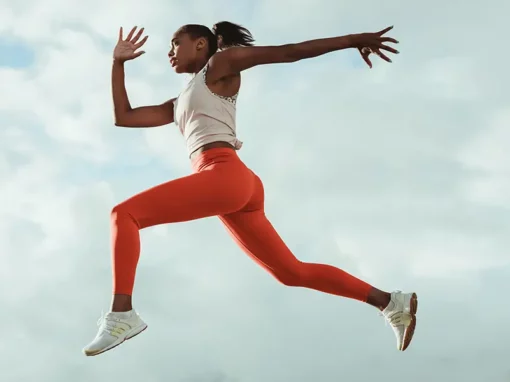


Have you ever stopped to think about how you move? From walking across the room to lifting your child, to sprinting during a workout or perfecting your golf swing, your body is constantly performing complex, coordinated movements. But what determines how efficiently and safely you move? The answer lies in a fascinating and essential field: biomechanics.
At Thrive, our physical therapy team uses biomechanics every day to help people move better, feel better, and perform at their best. Whether you’re an athlete, a weekend warrior, recovering from an injury, or simply looking to stay active and pain-free, understanding the science of biomechanics can be a game-changer.
What is Biomechanics, Exactly?
Biomechanics is the study of how the human body moves. It applies principles from physics, engineering, anatomy, and physiology to understand how muscles, bones, tendons, and ligaments work together to produce movement.
It might sound technical (and it is!), but at its core, biomechanics helps answer questions like:
- Why does my knee hurt when I run?
- What’s causing my shoulder to pinch when I lift weights?
- How can I move more efficiently and prevent injury?
By analyzing how your body moves, we can identify imbalances, inefficient movement patterns, or areas of excessive stress that may be contributing to pain or holding you back from optimal performance.
Movement is Medicine
Movement is life. But not all movement is created equal. When we move with poor alignment or compensation patterns, it can lead to wear and tear on the joints, chronic pain, and a higher risk of injury. On the flip side, when our biomechanics are optimized, movement becomes smoother, safer, and more powerful.
Whether you’re trying to shave seconds off your run time, get through your workday without back pain, or return to the activities you love after an injury, good biomechanics are the foundation.
Common Biomechanical Issues We See
At Thrive, our physical therapists often work with clients who are experiencing issues such as:
- Knee pain during running or squats
- Shoulder impingement during overhead movements
- Lower back pain from sitting or lifting
- Plantar fasciitis or Achilles pain from poor foot mechanics
- Hip tightness and imbalance from prolonged sitting
Often, these problems are not just due to the “injured” body part, but are rooted in movement dysfunction somewhere else. For example, a painful knee might actually be the result of weak hips or poor ankle mobility.
This is why a whole-body, biomechanics-based assessment is so crucial.
The Thrive Approach to Biomechanics
At Thrive, our physical therapy team takes a holistic, individualized approach to understanding and improving your biomechanics. Here’s what that process typically looks like:
-
Movement Assessment
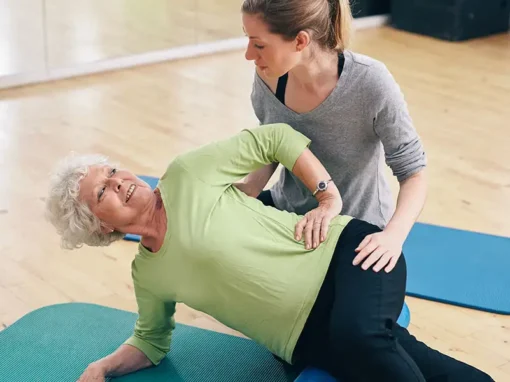
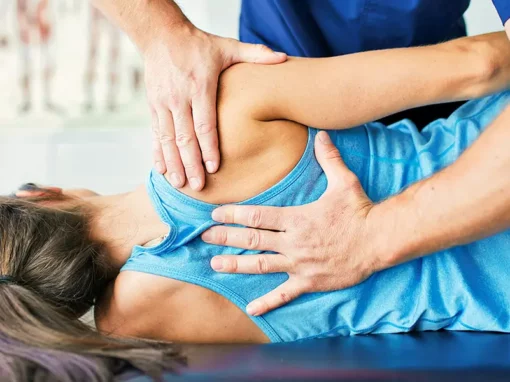
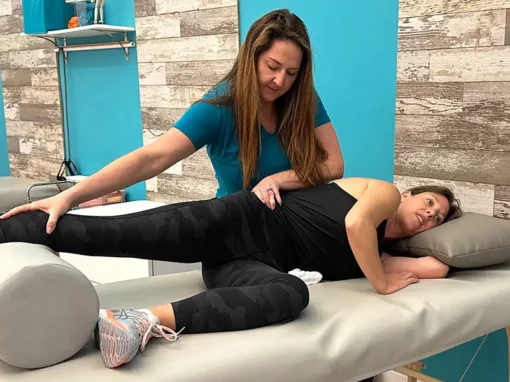
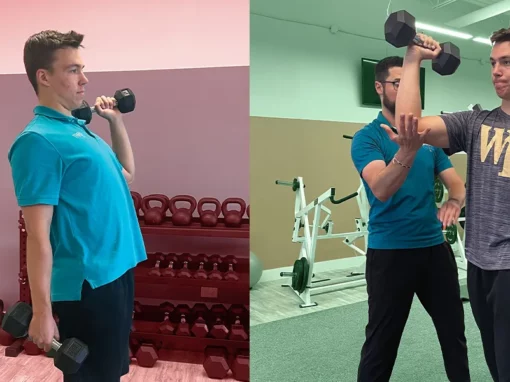
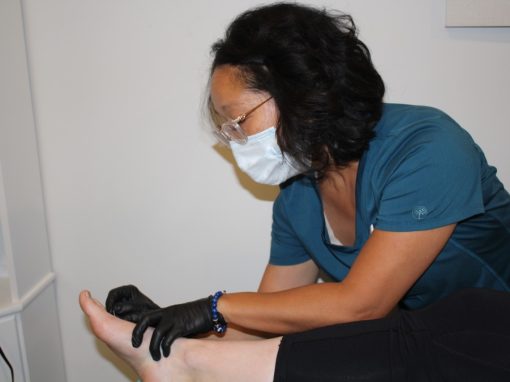
We observe how you move in real time. This may include walking, squatting, lunging, jumping, or sport-specific actions. We use our eyes and sometimes advanced technology to assess posture, joint angles, muscle activation, and timing.
-
Functional Strength and Mobility Testing
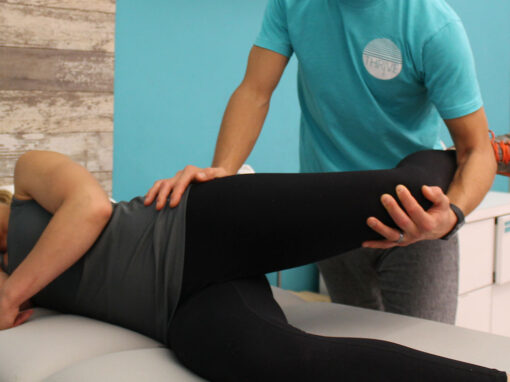
We evaluate strength, flexibility, and joint mobility to identify imbalances or restrictions. Sometimes, the issue lies not in weakness, but in the inability of your body to coordinate movement efficiently.
-
Customized Plan of Care
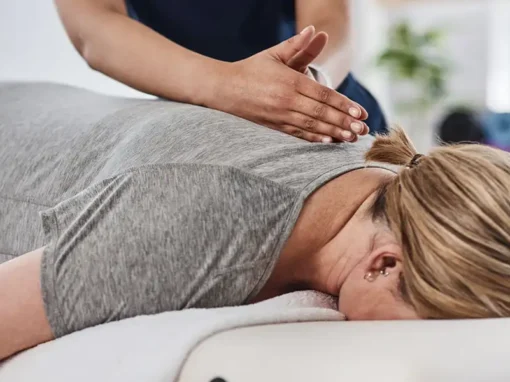
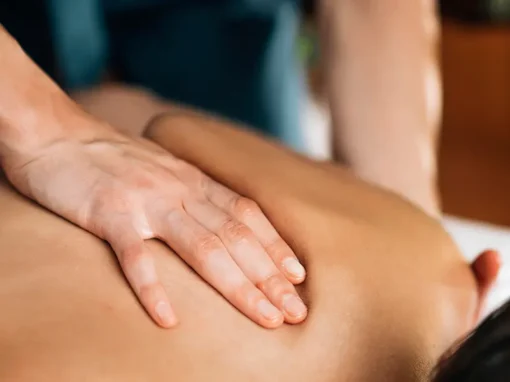
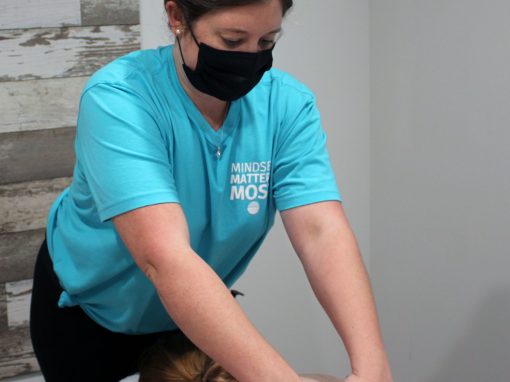
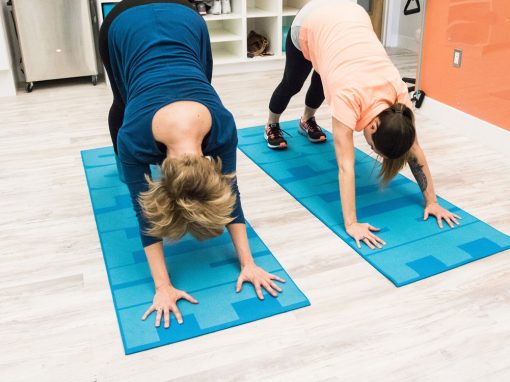
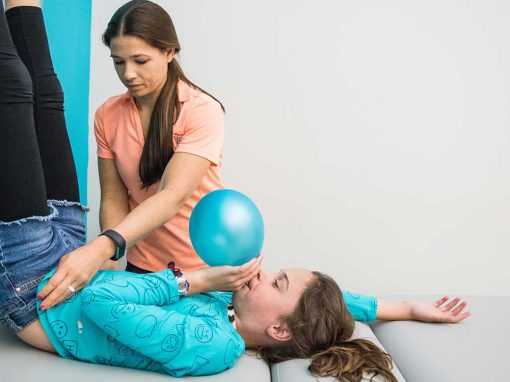
No cookie-cutter programs here. Based on our findings, we create a treatment plan that includes hands-on therapy, corrective exercises, neuromuscular retraining, and education to help you move better, feel stronger, and stay pain-free.
-
Education and Empowerment
We believe knowledge is power. You’ll learn why certain movements feel hard or painful, and what you can do to fix them. Our goal is not just to treat symptoms, but to teach you how to maintain healthy movement patterns for life.
It’s Not Just for Athletes
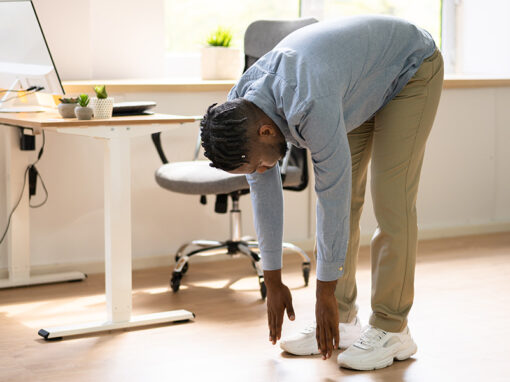
While biomechanics is often associated with sports performance, it’s just as important for people who work at desks, stay at home with kids, or enjoy active hobbies like gardening or hiking. If you’re moving through life, biomechanics matter.
Maybe you’re noticing your balance isn’t what it used to be. Or that you feel stiff and achy after a long day. These are signs your movement patterns could use some attention. The good news? Your body is adaptable. With the right support, you can change how you move and feel at any age.
Move Better (and Smarter!) with Thrive’s Help
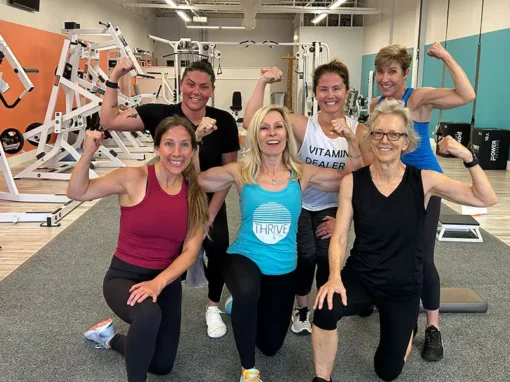
At Thrive, we believe your body is meant to move well, and feel good doing it. Our physical therapists are passionate about helping you understand and optimize your biomechanics so you can do what you love, for as long as you want.
Don’t settle for discomfort or performance plateaus. Let us help you unlock your movement potential.
Schedule your free physical therapy screening today and take the first step toward a stronger, smarter, pain-free you.